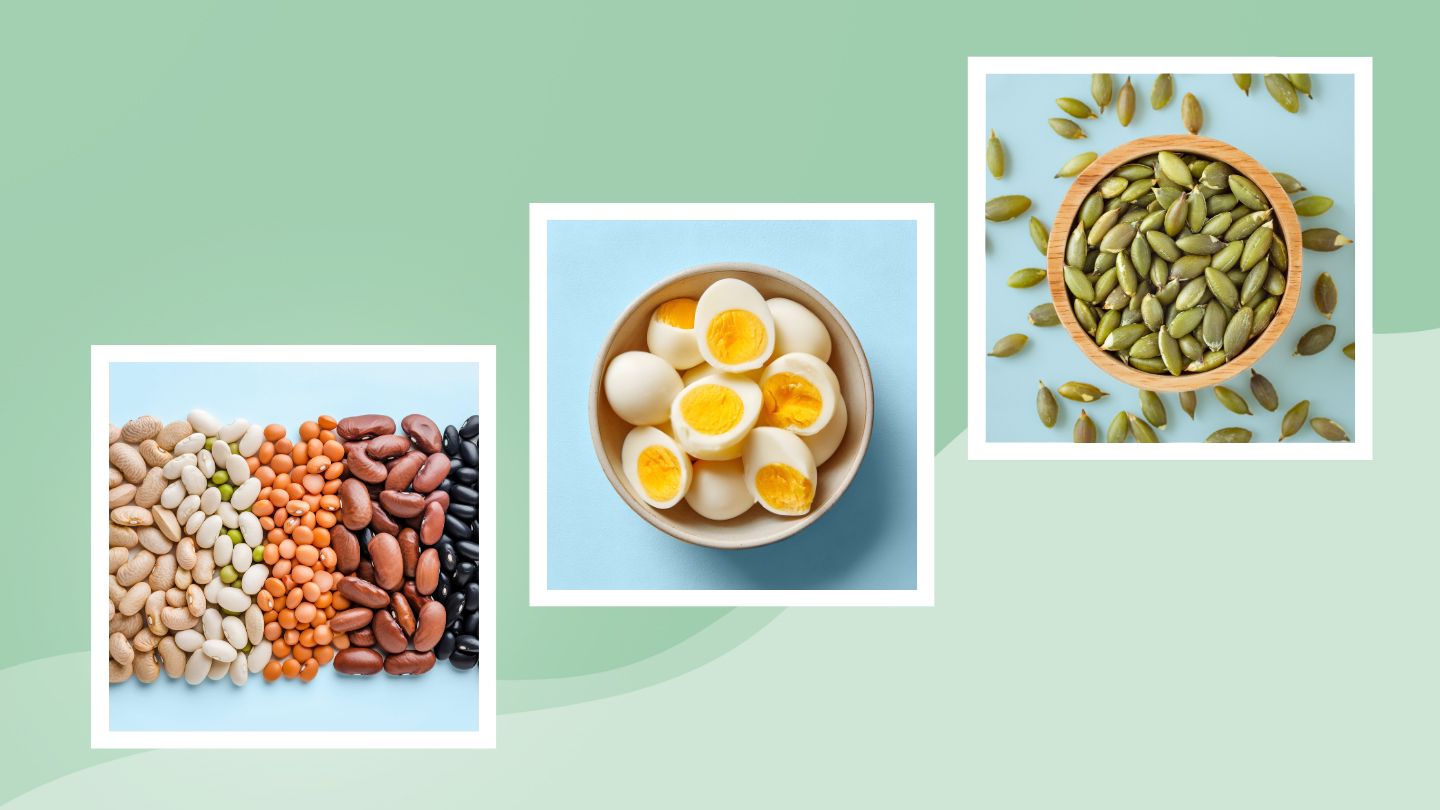
If you’re taking a glucagon-like peptide-1 (GLP-1) medication, you’ve probably heard about the importance of getting enough protein. But you should also be paying attention to some other nutrients.
The key is knowing which nutrients to prioritize, where to find them, and how to work them into your eating plan.
1. Iron
How Much You Need 8 milligrams (mg) for men; 8 mg for women age 51 and older; 18 mg for women 50 and under
Where to Get It Red meat and shellfish (especially clams and oysters) pack the biggest iron punch. But, “If nausea is an issue, try small amounts of well-cooked ground beef or turkey in soups or sauces. It’s easier to tolerate than a whole piece of meat,” says Allidina. You can also find iron in plant foods such as beans, leafy greens, and lentils, as well as fortified breakfast cereals. Pair plant foods with a source of vitamin C to boost your body’s iron absorption, Allidina recommends. For instance, add some strawberries to a bowl of fortified cereal or toss a bean and greens salad with lemon vinaigrette.
2. Vitamin D
How Much You Need 600 IU for adults age 70 and younger; 800 IU for adults 71 and older
Where to Get It Egg yolks, fatty fish such as salmon, some cheeses, and fortified foods, such as milk, yogurt, and certain cereals, are some of the best sources and are relatively easy to stomach. If you’re struggling with low appetite, “Eat nutrient-dense foods like eggs multiple times a week, fish two or three times weekly, or fortified dairy products [a few times a week],” says Morris. That’ll help you get the biggest bang for your buck.
3. Vitamin B12
How Much You Need 2.4 micrograms for men and women
Where to Get It Animal foods such as poultry, meat, fish, eggs, and dairy products all deliver vitamin B12. But if you’re struggling to eat enough, consider reaching for dairy sources first, such as low-fat milk, Greek yogurt, or cottage cheese. Your body absorbs up to three times more B12 from dairy foods than from other sources, making it easier to get your fill from less food.
4. Calcium
How Much You Need 1,000 mg for women age 50 and younger and men 70 and younger; 1,200 mg for women 51 and older and men 71 and older
Where to Get It Low-fat dairy foods are rich in calcium. If you’re struggling with nausea, go for mild-flavored options, such as Greek yogurt or ricotta cheese, or add low-fat milk or yogurt to a fruit smoothie, says Allidina. “Canned salmon with bones is another compact, nutrient-dense option, along with cooked spinach, almonds, and sesame seeds.”
5. Magnesium
How Much You Need 310 mg for women age 30 and younger; 320 mg for women 31 and older; 400 mg for men 30 and younger; 420 mg for men 31 and older
Where to Get It Nuts and seeds (especially pumpkin seeds), dark chocolate, and avocado are good sources of magnesium that tend to be easy to tolerate, even if you don’t have much desire to eat. “Nut butters are an easy addition to smoothies or toast for those struggling with appetite. Even small portions go a long way,” says Allidina.
6. Zinc
How Much You Need 8 mg for women; 11 mg for men
Where to Get It If those zinc heavy hitters don’t sound appetizing right now, foods such as turkey breast, pumpkin and hemp seeds, lentils, fortified cereals, and cheddar cheese are good alternatives. “Adding hemp seeds to oatmeal or yogurt is a low-effort, nausea-friendly way to boost zinc intake without a big meal,” says Allidina.
The Takeaway
- Because GLP-1 medications can curb calorie intake, making it difficult to consume adequate levels of key micronutrients, you’ll need to be intentional about eating nutrient-dense foods.
- Try to eat enough iron, vitamin D, vitamin B12, calcium, magnesium, and zinc — six nutrients you may fall short on if you’re taking a GLP-1.
- If you’re concerned about your nutrient intake or need help planning nutritious meals, talk with your doctor. They can refer you to a registered dietitian, if needed.
Read the full article here