It’s completely normal to feel overwhelmed after a postpartum depression (PPD) diagnosis, especially when you’re already navigating the seemingly endless needs of a newborn. Your medical treatment plan is the foundation of your recovery, but integrating small, supportive habits can help strengthen your mental and emotional resilience.
These practices are designed to work alongside treatment to help you feel more grounded, better equipped to manage daily challenges, and more present for both yourself and your baby.
Learn 8 tips that can help you as you manage postpartum depression.
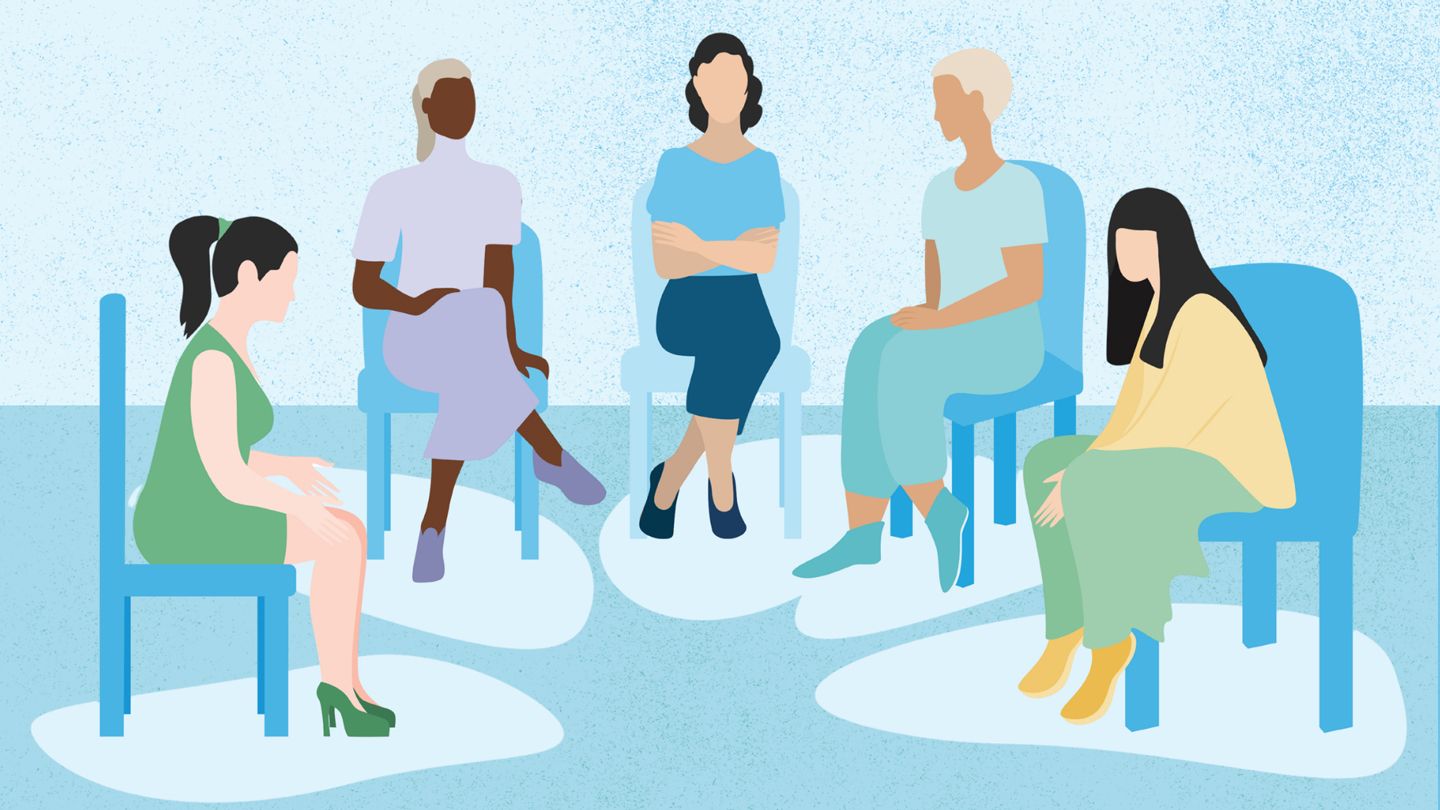
1. Join a Peer-Led Support Group
Support groups for mothers with postpartum depression can allow you to connect with others, share experiences, and get advice and encouragement. Ask your doctor for some recommendations, and make sure you feel comfortable expressing your feelings to the group.
Some groups may offer expert speakers or include therapeutic activities to help you feel more confident and less anxious as you incorporate postpartum depression management strategies into your daily routine.
2. Lean On Your Community
Depression can cause you to isolate, which can make you more depressed. It’s hard to be around people when your whole world seems to be caving in, but it’s exactly what you need. “It’s super important to lean on your community, even when it’s hard,” says Lulu Zhao, MD, an obstetrician-gynecologist and women’s behavioral health specialist at Cleveland Clinic. “Being more socially connected improves our mental health.”
In the early weeks and months after delivery, enlist your friends and community to set up a meal train, so you have one less thing you have to worry about. And try not to worry about picking up before people come over. This is a time in your life when it’s okay if your loved ones see your home in a messy state. In fact, it’s the perfect time to let a friend or family member help with the dishes, laundry, or other household chores.
3. Add Dimension to Your Life
“If you lived a vibrant life [before giving birth], you may feel trapped inside with your baby,” says Dr. Zhao. This can compound postpartum depression. “It’s important to build opportunities to be a fuller version of yourself — beyond being a mother,” she says.
Some things you can do to remind yourself of the person you were before you had your baby? Cook, do crafts, exercise, garden, read books — any activity that can help you feel more like yourself. As a bonus, get outside in the fresh air and move around.
“Don’t stay cooped up in the house all day,” says Zhao.
4. Let the Sunshine In
Getting some sun is really important for the brain, especially early morning sunlight, says Natalie Feldman, MD, an attending psychiatrist at Mass General Brigham in Boston who specializes in postpartum depression and anxiety. “It’s especially important in the early baby days, when there is no difference between day and night. A few minutes outside in the morning can help you anchor to the passage of time.”
5. Get Good Nutrition
It’s not easy to feed yourself when you’re constantly feeding your baby. “A mom can get to the end of the day and feel terrible and realize they have not eaten or drank anything all day,” says Dr. Feldman. Nourishing the body helps the brain work well and can help improve symptoms of postpartum depression.
Another reason to make sure you are eating well: One study found that women who ate a diet rich in fruits and vegetables had a lower rate of postpartum depression. Conversely, those with a diet high in sugary drinks had a higher incidence of postpartum depression.
6. Sneak In Sleep
Sleep is frustratingly elusive for mothers of newborns. Three hours here and another few there is not the same as six hours of uninterrupted snooze time, says Feldman. “When you have PPD, you need to declare a sleep emergency. You need six to seven hours of unbroken sleep,” she says.
Some research says the minimum sleep requirement for women with postpartum depression is four to five hours, but even that can be hard with a newborn.
Getting someone to watch the baby, taking shifts with your partner, and being flexible with breastfeeding can help you get the rest you need. If you have postpartum depression and exclusively breastfeeding is preventing good sleep, consider some alternative ways of feeding your baby, says Feldman.
7. Triage Your Responsibilities
Now is a good time to take a step back and assess what’s really important and what can wait. “Not everything has to happen right now,” says Feldman. “I work with moms with PPD who feel immense pressure to do everything right at once: parenthood, cleaning, social life, and career.”
8. Be Grateful
Being grateful means taking a few moments out of your day to note something you’re grateful for, says Feldman. It doesn’t have to be a big thing. It can be something small. It can be that the baby slept through the night or only spit up three times and not five. It can be the tree outside your bedroom window.
Carve out a specific time to practice gratitude, whether it’s during feedings or naptime. Logging your thoughts in a journal may motivate you to be more intentional about it.
Read the full article here