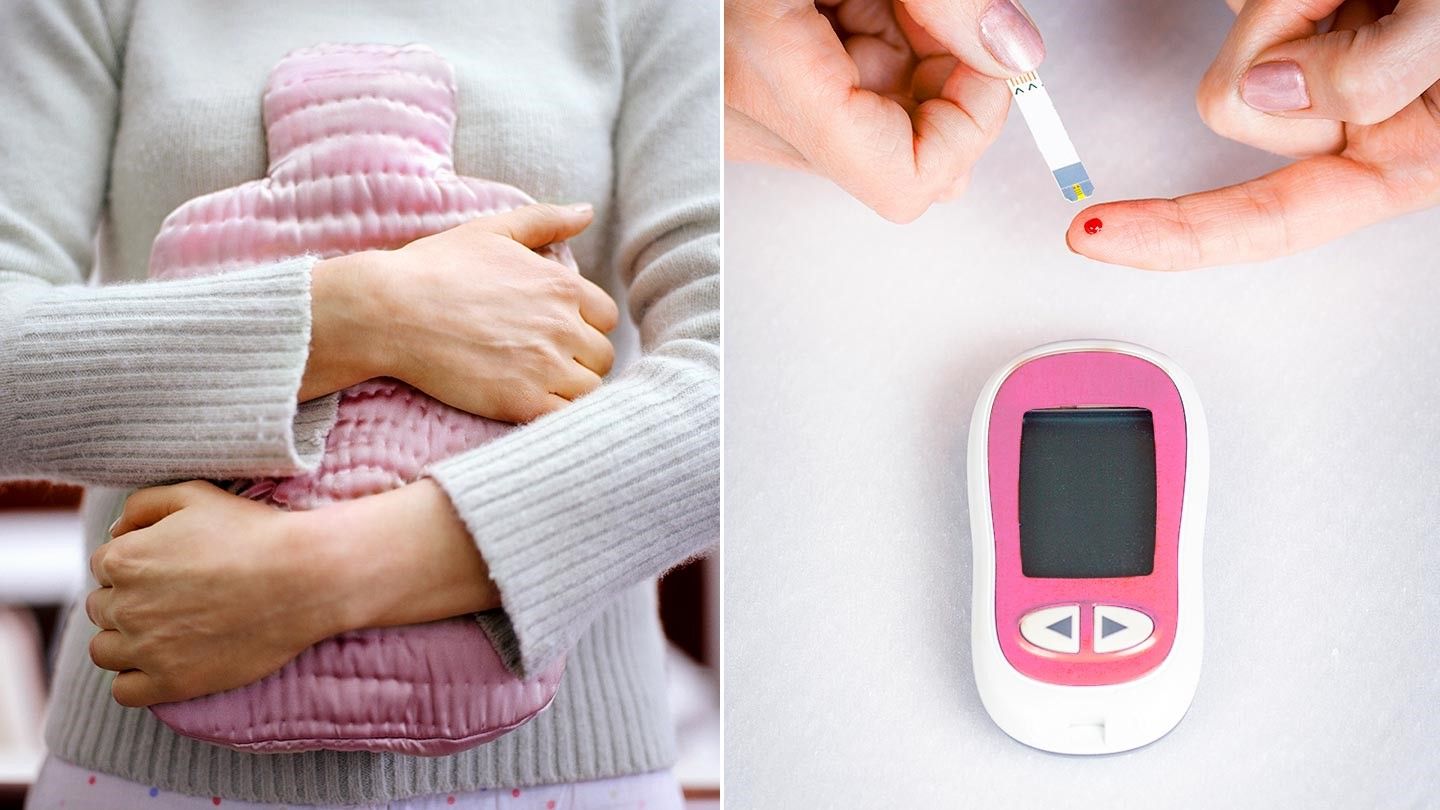
If you live with PMOS, you can lower your risk for type 2 diabetes by making lifestyle changes such as losing weight and exercising more. Taking certain medications, like metformin or GLP-1 agonists, could help you manage PMOS, support weight loss, and improve insulin resistance. Research has also suggested that an over-the-counter supplement called myo-inositol can help lower fasting insulin levels and improve overall insulin sensitivity.
Lifestyle Modifications
Being active and eating a healthy diet can help you reduce your risk of insulin resistance with PMOS.
If you have prediabetes, losing just 5 to 7 percent of your body weight can help prevent prediabetes from progressing to type 2 diabetes.
The NIDDK recommends filling half your plate with fruits and vegetables, one-quarter with whole grains, and the other quarter with a lean protein such as a skinless chicken breast or tofu. Add a dollop of healthy fat, like olive oil or peanut butter. Avoid refined sugar, saturated and trans fats, and processed meats, all of which can increase inflammation.
Exercise With PMOS to Prevent Type 2 Diabetes Getting at least 30 minutes of moderate-intensity exercise five days a week can help reduce your risk of type 2 diabetes if you have PMOS.
Engaging in aerobic exercise (workouts that make you breathe faster and increase your heart rate) can help your body use more blood glucose to lower blood glucose levels, reduce insulin resistance, and burn harmful fat around your organs, known as visceral fat. Resistance (or strength) training helps your muscles store more glucose, helps your body burn calories more efficiently, reduces circulating testosterone, and reduces markers of long-term metabolic disease.
Choose an activity that you like enough to stick with, whether that’s walking, dancing, kickboxing, or swimming, and switch it up if you get bored. And even if exercise doesn’t help you lose weight, it can delay or even prevent type 2 diabetes. Add in strength training at least two days a week to build lean muscle mass, which improves insulin sensitivity.
Research has found that high-intensity interval training (HIIT) can help people with prediabetes control blood sugar and decrease their risk of progressing to type 2 diabetes. However, it’s best to talk to your doctor before trying HIIT. This can reduce the risk of a complication called rhabdomyolysis, or rhabdo, in which the body starts to break down muscle tissue after intense exercise. Uncontrolled diabetes may increase your risk of rhabdo.
Medications
Multiple types of medications can treat PMOS and reduce type 2 diabetes risk, including:
- Metformin This diabetes drug improves insulin resistance, lowers blood glucose levels, and improves ovulation, so doctors prescribe it off-label – meaning outside of the use approved by the U.S. Food and Drug Administration – for PMOS.
- GLP-1 RA Researchers are investigating diabetes and obesity drugs called glucagon-like peptide-1 receptor agonists (GLP-1 RAs) as potential treatment options for PMOS. These drugs have decreased the risk of diabetes in some studies.
Some medications can help you manage other PMOS symptoms, such as hair growth and acne:
- Hormones Certain types of birth control can increase the amount of estrogen and progesterone in your body, and reduce androgens. These are available as pills, patches, shots, and a vaginal ring. Shifting the balance of these hormones can put your menstrual cycle back on track and make your periods more regular. Taking female hormones also helps reduce androgen side effects like acne and excess hair growth, and lowers your risk for endometrial cancer.
- Androgen-Blocking Medicines These medications reduce androgen levels in your body, which can help treat symptoms like hair growth and acne. However, your doctor won’t put you on them if you’re planning to get pregnant, as androgen-blocking medications can cause congenital anomalies in infants.
Read the full article here