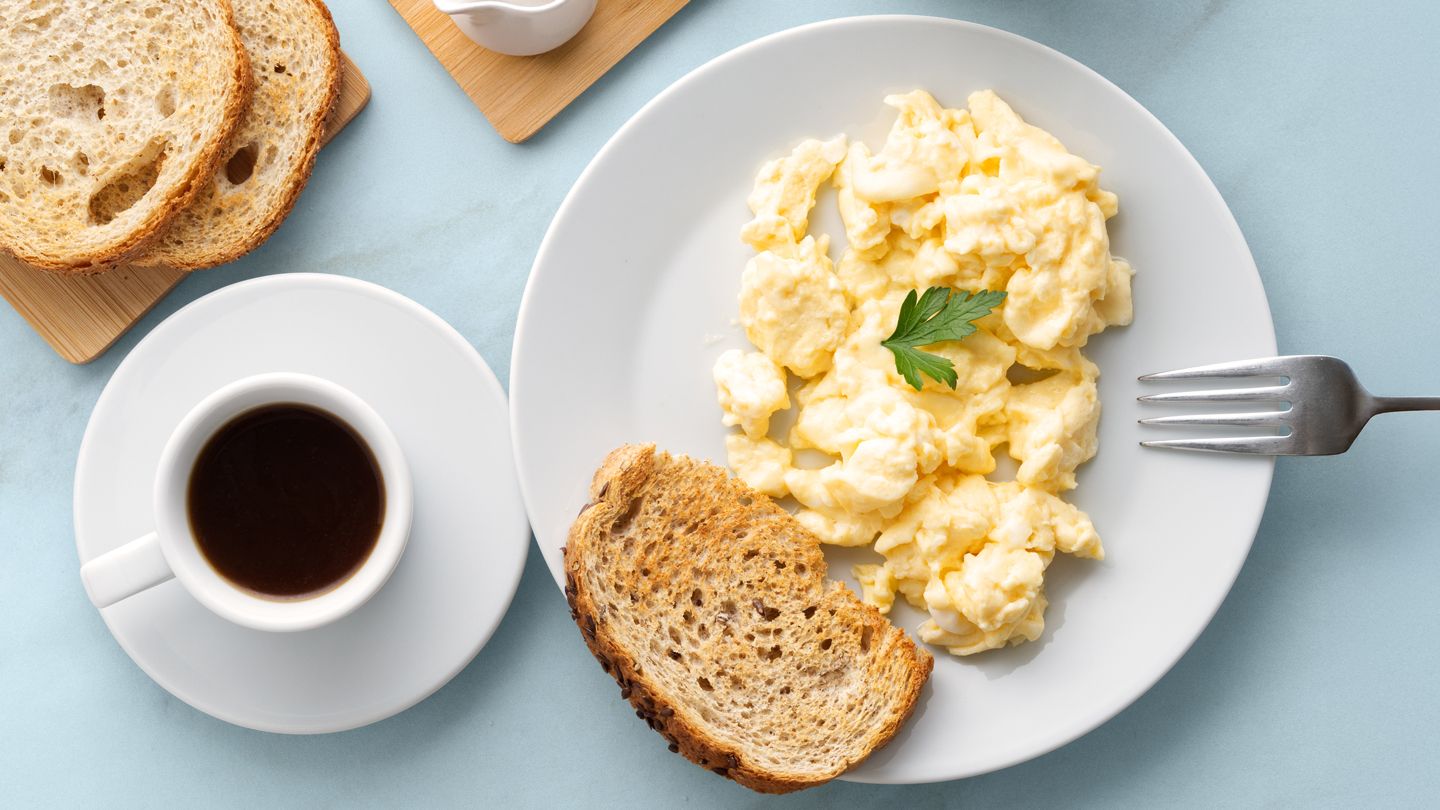
1. Eggs
Do eggs block iron absorption? The answer is yes, because they contain phosvitin, a protein compound that binds iron molecules together and prevents the body from absorbing iron from foods.
One boiled egg can reduce iron absorption by as much as 28 percent, according to the Iron Disorders Institute.
2. Calcium-Rich Foods
Milk can also work as an inhibitor of iron absorption, potentially affecting your iron levels. The reason is calcium, an essential mineral and the only known substance to inhibit the absorption of both nonheme and heme iron.
An 8-ounce glass of skim milk contains about 300 milligrams (mg) of calcium, according to data from the U.S. Department of Agriculture.
Calcium has little or no effect on iron absorption when you get less than 50 mg of calcium daily, but it can inhibit heme iron and nonheme iron absorption when you take in 300 to 600 mg of it daily.
So does cheese block iron absorption? It can, depending on how much you eat. More than a 1-ounce serving is likely to inhibit iron absorption. Other foods high in calcium, including yogurt, sardines, canned salmon, tofu, broccoli, figs, turnip greens, and rhubarb may also block iron absorption.
3. Foods High in Oxalates
If you drink a lot of tea with your meals, you may not be getting enough iron from those foods.
Tea contains oxalates — oxalic acid compounds that impair the absorption of nonheme iron, according to the Iron Disorders Institute. Other oxalate-rich foods include spinach, kale, beets, nuts, chocolate, wheat bran, rhubarb, strawberries, and herbs such as oregano, basil, and parsley.
4. Polyphenol-Rich Foods
Cocoa and coffee can both inhibit iron absorption in the body because they contain polyphenols, or phenolic compounds — which are antioxidants that help remove damaging free-floating cells from the body.
That also means your morning cup of coffee inhibits iron absorption.
Cocoa can inhibit 90 percent of iron absorption in the body, while 1 cup of coffee can prevent iron absorption by as much as 60 percent, according to the Iron Disorders Institute.
Other polyphenol-rich foods include apples, peppermint, and some herbal teas, spices, walnuts, blackberries, raspberries, and blueberries.
5. Walnuts
Is there a link between walnuts and iron absorption? Yes. These heart-healthy nuts can reduce the amount of iron your body absorbs from iron-rich foods. Walnuts contain phytates — compounds found in soy protein and fiber. Even low levels of phytates have a strong inhibitory effect on your body’s ability to absorb iron from food.
Phytates can reduce iron absorption from food by about 50 to 65 percent, according to the Iron Disorders Institute.
Other sources of phytates include almonds, sesame, dried beans, lentils, peas, cereals, and whole grains.
6. Medications
While they’re not exactly a food, it’s important to know that certain medications can inhibit your body’s ability to absorb iron.
In particular, medications that cut back the amount of acid in the stomach, including antacids and proton pump inhibitors, can affect absorption, according to the Iron Disorders Institute.
Read the full article here