


Shelled Pumpkin or Sunflower Seeds Seeds of any kind are a lightweight snack, and these two options are particularly lightweight, making them a good healthy choice for camping, says Hoerr. Bonus: Nuts and seeds add healthy fat that keeps you full for longer.e60dc2a1-f33c-4a05-9b50-8e3e8e597629b956df0f-24b2-4f9c-8606-7847a6ea7093 What’s more, seeds like sunflower seeds are loaded with antioxidants , which can help stave off cell damage and inflammation .e60dc2a1-f33c-4a05-9b50-8e3e8e597629c32ddfee-5746-4cdf-924c-f9db4b5cf8d3
Granola or Energy Bars One option Hoerr always takes camping is prepackaged granola or energy bars because they’re so easy to find and can get smushed at the bottom of a pack and still be ready to eat. But if you’re at the grocery store and looking for some snack-size granola bars or protein bar options, prepare to spend some time reading labels. Hoerr suggests looking at ingredient lists to get as little added sugar as possible — less than 6 g of added sugar per serving is best — and ideally choose ones sweetened naturally with dried fruit. This will give you the carb-loading boost you need for activity without the extra sweeteners or preservatives. Hoerr prefers Lärabars . For example, an Apple Pie Lärabar has no added sugar and 25 g of carbs. Hoerr likes that the ingredients are just nuts and fruit, and there are others that are similar.
Electrolyte Tablets If you’re hiking, consider your hydration levels . Even at a leisurely pace, it’s an endurance event, says Hoerr, especially when you’re carrying gear. She suggests drinking more water than you think you need, particularly in cooler climates because you may not notice thirst as much in those situations. Along with water, consider replacing electrolytes (minerals that help move fluid throughout your body) that you might lose through sweat.e60dc2a1-f33c-4a05-9b50-8e3e8e597629b0ca6e4b-1e38-4555-a88a-9261f5ca9210 Hoerr likes Nuun tablets because they’re easy to store and can be dropped into a water bottle when needed, but there are others on the market as well, like Ultima and Tailwind .
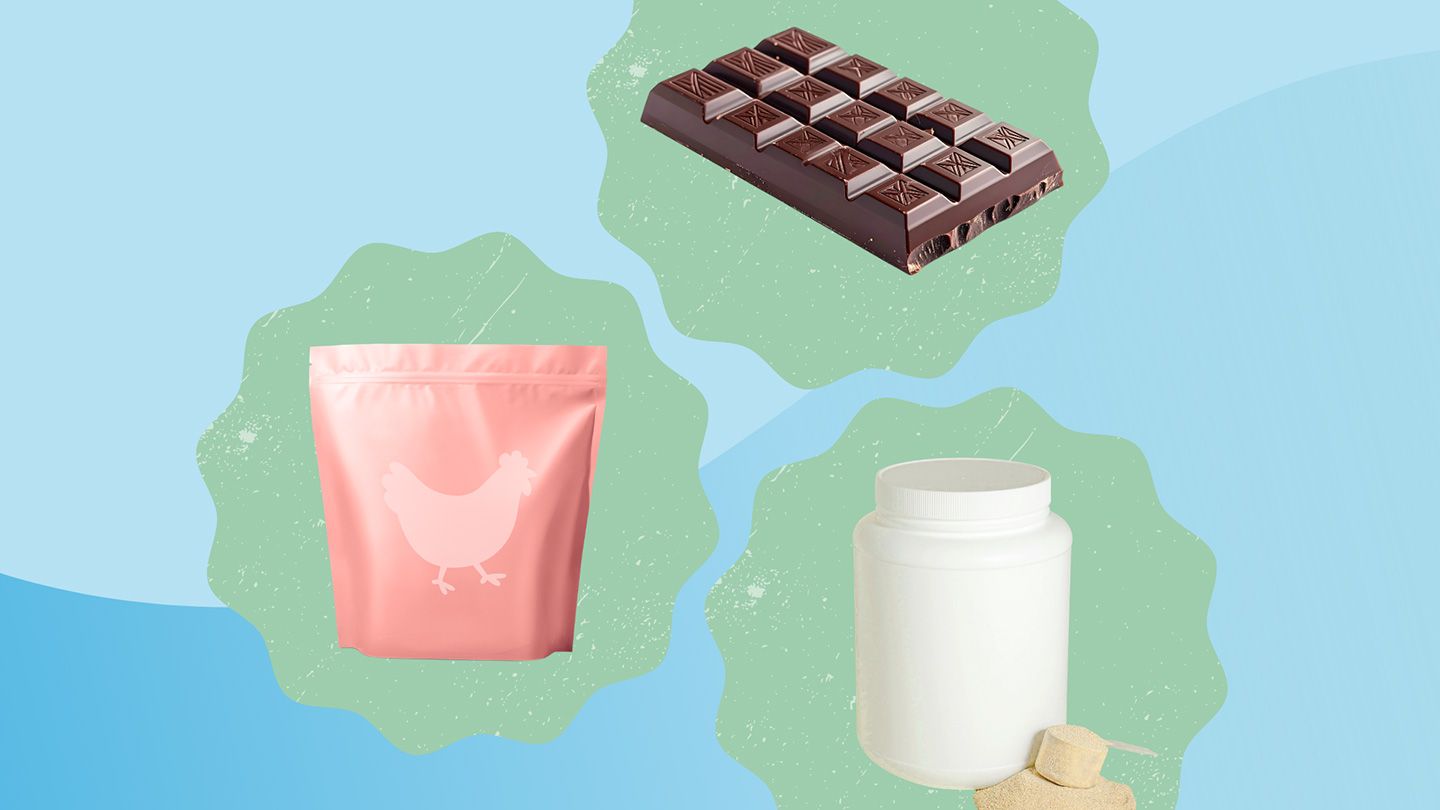
Protein Powder If you’re not a fan of meat or are on a plant-based diet (such as a vegan or vegetarian one), protein powder provides a way to get your fix of this nutrient. Consuming protein in powder form can also be ideal for hiking because it’s lightweight and can be mixed with the water you already have. And you don’t have to bring the whole container, of course: Just put a few scoops into a sealable plastic bag for easy travel. “Ideally, spread out your protein throughout the day,” says Natalie Allen, RD , a clinical assistant professor for biomedical sciences at Missouri State University in Springfield. For example, if your protein needs are 80 g a day, rather than trying to load up all at once, aim to get 20 g at each main meal plus a high-protein snack. “This will help you maintain satiety,” she says. When you’re camping and being active, you may not have set mealtimes, so a protein shake can make it easier to pace your protein intake. If you’re looking to go plant-based instead of using whey as your protein powder source, Allen suggests pea protein, which is widely available.
Tuna or Chicken Packets Tuna and chicken packets are ideal healthy foods to bring camping because they’re easy to fit into those smaller spaces in a pack and can be tucked into jacket pockets so you have them handy for snacks when you need them most. “Listen to your body for signs it’s needing more food right now,” suggests Hoerr. “You might be getting lightheaded, or the activity is feeling harder than it should. Those are signs you’re lacking in energy. Packets of tuna or chicken are shelf-stable and have so many great flavors now that you can eat them on their own.” An example with a variety of flavors is StarKist Tuna Pouches . The company also offers them with salmon and chicken. Their lemon pepper packet, for instance, has 16 grams (g) of protein . Dietary Guidelines for Americans, 2025–2030 advises getting 1.2 to 1.6 g of protein per kilogram (kg) of body weight each day.e60dc2a1-f33c-4a05-9b50-8e3e8e59762948785897-1a14-460f-8976-a607d7950c0a
Everyday Health independently vets all recommended products. All prices are accurate at time of publish. If you purchase a featured product, we may be compensated. Learn why you can trust us . When you’re camping — especially if your excursion involves physical activity — you’ll want to make sure you have food that’s nutritious, energizing, and lightweight (if you’re hiking with rations). As one hiking calculator indicates, a 150-pound (lb) hiker carrying a 40-lb pack on a 10-mile hike with an elevation gain of 1,000 feet will burn more than 1,200 calories on the way, and that’s with a fairly flat trail.e60dc2a1-f33c-4a05-9b50-8e3e8e597629351f6cf3-fe82-40dc-adcb-cbbef895b253 “When you’re hiking and being active all day, your body is going to need more nourishment than you might be used to,” says Kara Hoerr, RDN , of Madison, Wisconsin. “Energy-dense foods can give you concentrated calories without taking up much space.” Relying on freeze-dried meals or other packaged foods can be problematic because they’re often loaded with sodium . In the short-term, that can cause water retention, especially in the hands and feet, and tends to elevate blood pressure .e60dc2a1-f33c-4a05-9b50-8e3e8e597629f217f8bd-4f7a-4de8-b51f-16e7885b90b1 Fortunately, there are numerous choices for healthy camping food that can help keep your body nourished and your energy high. default
Dried Fruit The concentrated sweetness of dried fruit like raisins, dried apples, and prunes makes it a welcome go-to snack on the trail. Dried fruit also offers a quick carb fix to fuel activity, says Brooklyn, New York–based Jackie Newgent, RDN . The fruit maintains its vitamins and minerals in the dehydration process, she adds, so you’ll be getting a nutrient-dense snack. “The nutrients are more concentrated ounce per ounce, which means they’re packed with beneficial bioactive compounds,” Newgent says. “Be sure to check ingredients, though, since some sugars and preservatives may be added, and it’s best to get options where you’re just getting the fruit.” For example, she suggests avoiding sugars like corn syrup or sucrose and preservatives like carrageenan and potassium bromate. A quarter-cup portion of packed raisins provides 32.5 g of carbs, 340 milligrams (mg) of potassium (6 percent of your daily value, or DV), 2.8 g of fiber (10 percent of the DV), and 1 mg of iron (6 percent of the DV).e60dc2a1-f33c-4a05-9b50-8e3e8e597629d8066807-84bf-4c2a-927b-364e55091a9a
Peanut Butter Pouches Nut butters are energy dense, says Hoerr, which means they can boost your calories without making you feel overly full. They’re rich in heart-healthy fat , protein, fiber , vitamins, and minerals, so they’re nutrient dense as well.e60dc2a1-f33c-4a05-9b50-8e3e8e597629a7044c18-e90c-47de-bd3b-229073c989da On a backpacking trip through Yosemite, Hoerr discovered that adding a packet to her morning oatmeal kept her sustained through elevation-gain hikes until lunchtime. The individual pouches are convenient and less messy than trying to eat from a jar, she notes. Just be sure to read ingredient labels: Some prepackaged nut butters contain added sugars, which are best to avoid.e60dc2a1-f33c-4a05-9b50-8e3e8e597629b6a1df26-5ac8-46a3-8538-2d4538b90e3b
Dried Oatmeal Packets “ Oatmeal provides complex carbohydrates for adequate and lasting energy before a day of hiking or exploring,” says Hoerr. “Also, they’re lightweight, compactible, and easy to prepare at a campsite.” High-quality carbs are an essential macronutrient to keep energy up during high-intensity exercise because they’re broken down rapidly into glucose, which the body uses as fuel. Just keep in mind that complex carbs like oats, whole grains, brown rice, and lentils offer more nutrition than simple carbs like white rice and other refined grains because they’re broken down slower, providing a consistent source of energy throughout the day.e60dc2a1-f33c-4a05-9b50-8e3e8e597629c200c533-5a42-4282-97ca-5b3bdd2693f3
Precooked Quinoa or Quick-Prep Grains When you’re relying on a cookstove, grains that take time to cook can feel like a chore, which is why Hoerr relies on quick-cooking options, such as quinoa and instant brown rice, on hiking trips. For example, when you’re tired after a hike, you can whip up a healthy dinner in less than 15 minutes if you opt for quick grains and a packet of chicken or tuna. But why should you bring whole grains in the first place? Options like quinoa are packed with fiber, which is helpful for keeping digestion on track — an issue many people have while traveling, whether it’s to a campsite or to a spa. One cup of quinoa has 5 g of fiber, which covers 18 percent of your DV.e60dc2a1-f33c-4a05-9b50-8e3e8e5976297e0ac669-616d-4370-8f84-85ec7641c134
Dark Chocolate Whether you put some pieces into a mix with nuts, seeds, and dried fruit or simply delight in a few squares as an after-hike treat, dark chocolate simply tastes better when you’ve been hiking all day. With significantly less sugar than milk chocolate, dark chocolate is a healthier choice and also contains flavanols, which provide heart-boosting benefits.e60dc2a1-f33c-4a05-9b50-8e3e8e597629a4bc6f87-7c5c-4397-aa49-0210769bd242 Plus, research shows that cocoa contains more phenolic antioxidants than most foods — another powerful way to keep inflammation in check.e60dc2a1-f33c-4a05-9b50-8e3e8e597629450a3a3d-2988-477e-b353-49b422544fd7 Worried about it melting? Unless you’re in very hot and humid conditions, you’ll likely be safe. Dark chocolate has a higher percentage of cocoa in proportion to milk fat compared with milk chocolate, so it has a higher melting point.e60dc2a1-f33c-4a05-9b50-8e3e8e5976295ffd4726-d35b-49ca-ba1f-808de26534fa
Read the full article here

Leave a comment
