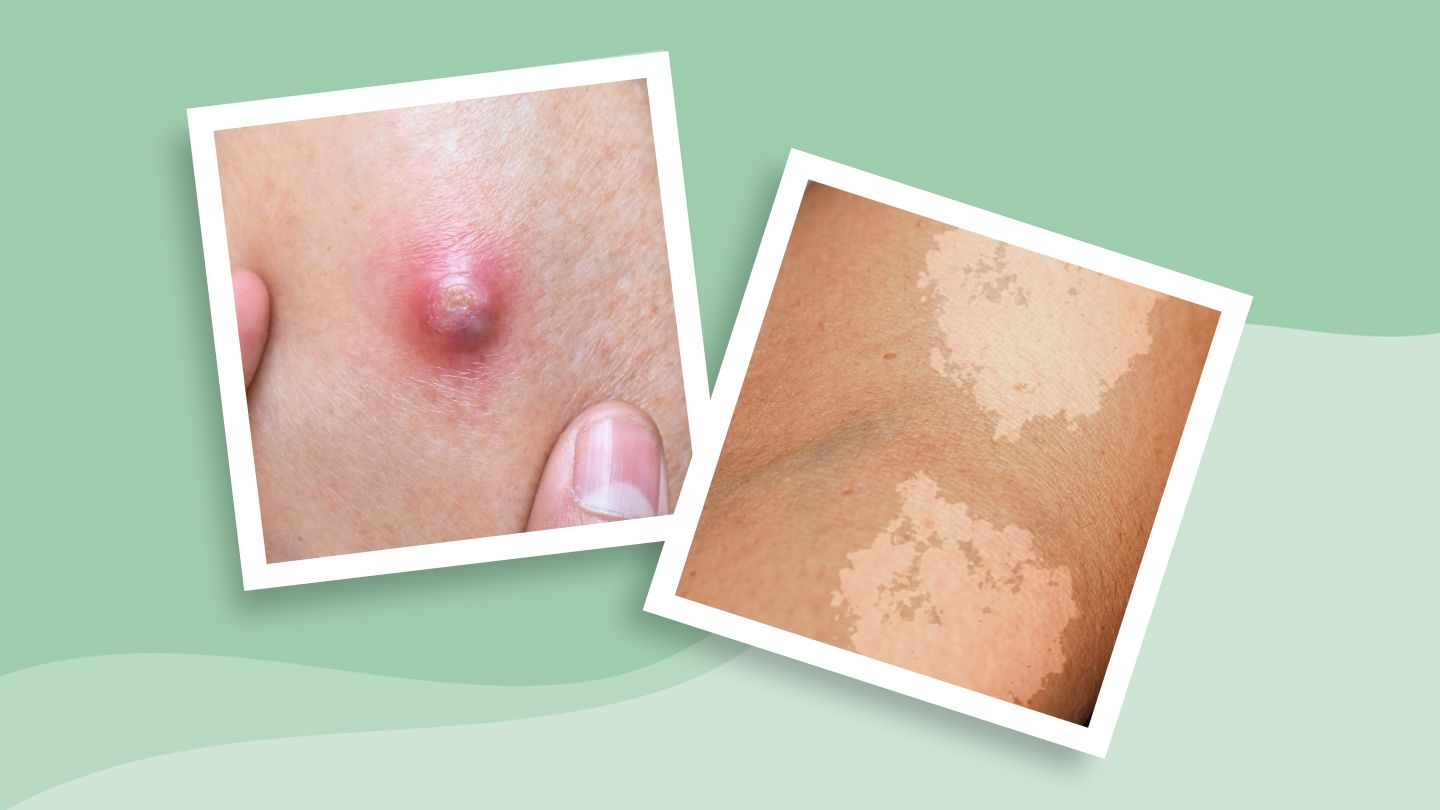
A flare and a skin infection can sometimes look similar. Both can cause redness, swelling, and itching or discomfort. “Because there may be overlap between the two and discriminating the difference can be difficult, it is recommended to see a board-certified dermatologist for evaluation and treatment,” Dr. Camp says.
If you have an infection, your dermatologist can figure out the underlying cause and the best way to treat it. If it’s a flare, you can talk about ways to better manage your eczema — which will help you feel better and reduce your risk for future flares and infections.
“Eczema that is well controlled maintains the ability of the skin barrier to protect the body from infections by microorganisms,” Camp says.
Getting control starts with knowing what to look for.
Staph Aureus
Staph skin infections can be treated with topical or oral antibiotics. It’s important to seek treatment quickly, because these infections can become serious or even life-threatening.
Furuncles
Sometimes called boils, furuncles are infections that occur when bacteria enter hair follicles on your skin. These infections are relatively common in people with eczema and can form on eczema patches or plaques.
Furuncles look like big pimples. They might be red or yellowish and feel warm or tender to the touch. Sometimes they’ll go away on their own, but you can speed up the process by applying a warm compress to the area for 10 minutes several times a day. Avoid popping or squeezing the furuncle, which can cause the infection to spread.
See your dermatologist if your furuncle doesn’t clear up within two weeks or keeps getting bigger. They can drain it at their office and prescribe antibiotics to help the infection heal.
Eczema Herpeticum
This infection usually shows up as small, painful, fluid-filled blisters on an eczema patch on the face, neck, or upper torso. Over time, the blisters can start to spread and become pitted or crusty.
Eczema herpeticum must be treated with antiviral medications. Like Staphylococcus aureus, the infection can turn serious or even life-threatening without treatment.
Malassezia
Malassezia is a type of fungus that normally lives on the skin. But overgrowths of malassezia can cause fungal infections, particularly among people with eczema.
A malassezia infection causes red, itchy bumps. It’s not serious, but it can be uncomfortable and stubborn. While the infection can be treated with topical or antifungal medications or shampoos, some people find that their symptoms come back after their treatment stops. Talk to your doctor; you may need to continue using certain treatments to prevent the symptoms from returning.
Molloscum
This viral skin infection causes small, itchy, flesh-colored bumps on the face, torso, arms, or legs. While it’s more common in young children than adults, studies estimate that people with eczema are about 13 percent more prone to the infection.
Read the full article here