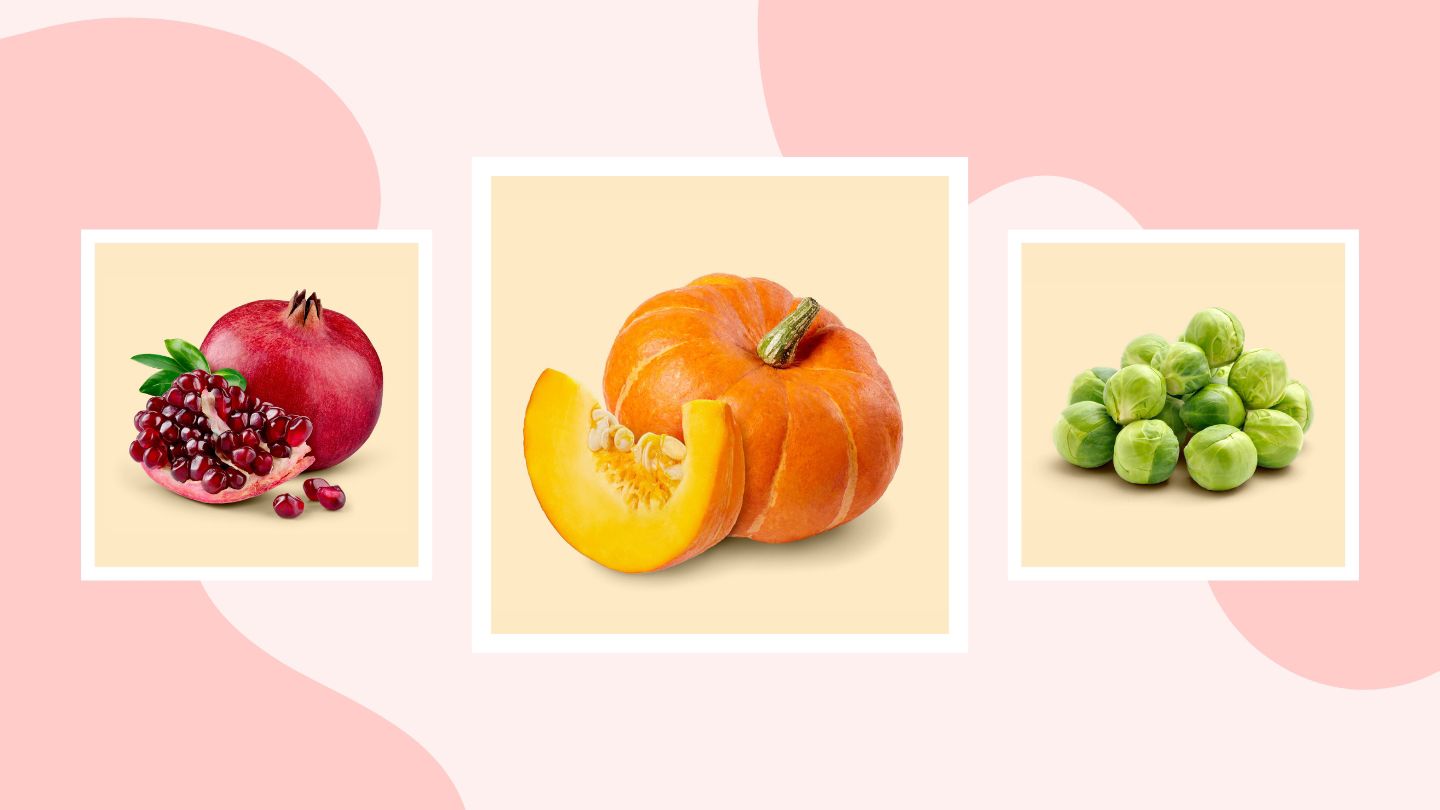
These types of winter squash are beneficial beyond jack-o’-lanterns or your grandma’s pumpkin pie recipe. Pumpkins provide potassium, antioxidants, and vitamins A and C — key nutrients for a healthy heart. Potassium helps regulate blood pressure while antioxidants bolster the immune system. Each cup of cooked pumpkin contains about 10 percent of your daily potassium and vitamin C, and half of your daily value of vitamin A.
To prepare a pumpkin, cut it in half and remove the seeds, pulp, and stringy innards. Chop into small pieces and peel, boil for 25 to 30 minutes until tender, then mash or puree in a blender or food processor.
Pro tip: Don’t...
Read the full article here