Among the Top 10 Major Albums, 3 Were From Taylor Swift
Scientists marked the difference between traffic fatalities on an album’s release day and the six same-weekday control days at one, two, and three weeks before and after the album’s release (provided they didn’t fall on a public holiday or within three days of another album’s release).
The album that coincided with the largest increase in fatalities was Her Loss by Drake and 21 Savage, followed by Kendrick Lamar’s Mr. Morale and Bad Bunny’s Un Verano Sin Ti.
Other albums linked with an increase in traffic fatalities, from the largest increase to the smallest, were:
- Scorpion by Drake
- Harry’s House by Harry Styles
- Certified Lover Boy by Drake
- Folklore by Taylor Swift
- Red (Taylor’s Version) by Taylor Swift
- Midnights by Taylor Swift
The release of Kanye West’s Donda was the only album linked to a decrease in traffic fatalities.
2 Distractions Happen at Once With Streaming Music
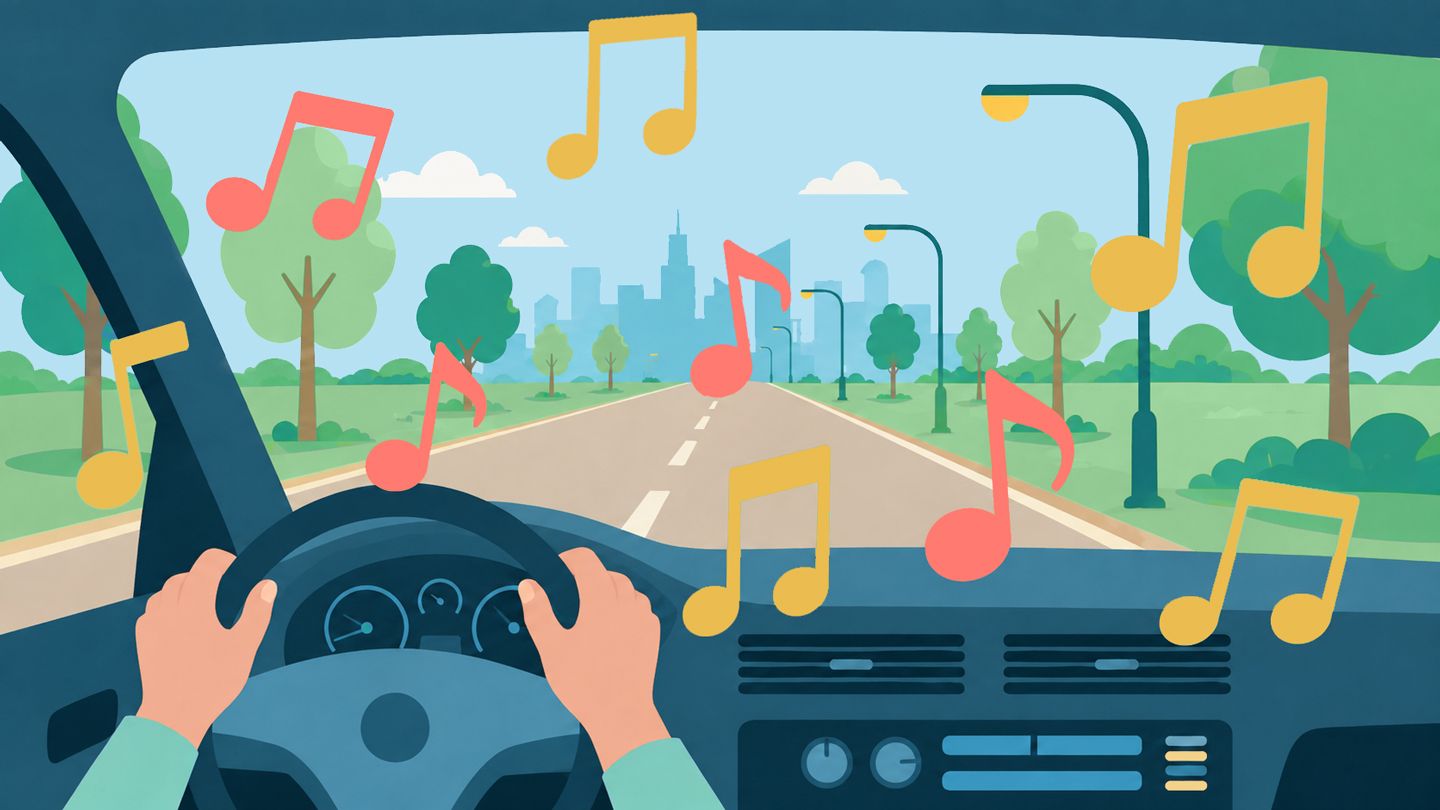
Distracted driving is probably the biggest reason for this association, Patel says. But he notes that there are two kinds of distraction happening with streaming music. “There’s the manual part — unlocking the phone, opening the app, scrolling a new tracklist, tapping the right song — which takes eyes off the road and a hand off the wheel,” he says. “That’s several seconds of looking at a screen instead of the road.”
There’s also a different cognitive demand with streaming music. “Unfamiliar music demands more attention than a playlist you’ve heard a hundred times,” Patel says. “Notably, the increase in fatalities was actually larger in cars equipped with CarPlay, which suggests that making streaming easier to reach may increase how often drivers interact with it, even if each interaction is safer.”
That distraction can quickly turn deadly, says Robert Glatter, MD, an attending emergency medicine doctor at Northwell’s Lenox Hill Hospital in New York City who was not involved in the new research. “At 60 miles per hour, a two-second glance covers roughly 175 feet of road completely unseen. Five seconds is well over a football field,” he says. “Glances away from the roadway longer than about two seconds sharply increase crash risk.”
Dr. Glatter says people underestimate what they are capable of doing while driving. “The brain doesn’t truly multitask; it switches, and switching costs time,” he says.
Distracted Driving Is Deadly
While many people dismiss the risks of distracted driving, experts stress that the dangers are real and significant.
Crashes linked to distracted driving tend to be especially dangerous because they often happen at full speed, Glatter says. “The full kinetic energy of the collision is transferred to the occupants, which translates into traumatic brain injury, cervical spine fractures, blunt aortic injury, and pelvic and solid organ trauma,” he says. “Survivors often face months of rehabilitation or permanent disability.”
How to Stream and Drive Safely, According to Doctors
Streaming music is a different kind of distraction than changing a radio station, which only requires you to push a button, Patel says. To lower your risks, experts recommend the following tactics.
- Set your playlist before you start driving. “Pick the album, hit play, and put the phone down,” Patel says.
- Let your passenger be the DJ. “That’s the closest thing we found to a protective factor,” he says.
- Use voice commands if your car supports them. This can help you keep your eyes on the road.
- Save new music for time outside the car. “Novelty is exactly what makes a release-day album distracting,” Glatter says. “You’re skipping around, checking track names, reacting emotionally. Give it a first listen at home or as a passenger.”
New releases may be especially dangerous, according to Kite-Laidlaw. “While there’s nothing wrong with listening to music, especially if it helps you stay alert on a long and monotonous drive, a new release that commands all your attention should wait until you’re home,” she says. “If temptation is difficult to avoid, put the phone where you physically cannot reach it until you reach your destination.”
Read the full article here