Progesterone Levels Peak at the Start of the Luteal Phase
Progesterone is a major reproductive hormone, and though it’s usually talked about in relation to women, men produce it in small amounts, too.
In women, progesterone levels naturally fluctuate over the course of the menstrual cycle. “We’re not walking around in the same hormonal state all month,” says Thea Gallagher, PsyD, a clinical associate professor at NYU Langone Health in New York City and cohost of the Mind in View podcast.
“Progesterone tends to be relatively low during the first half of the cycle, and rises after ovulation,” she says. This period of elevated progesterone corresponds to the beginning of the luteal phase. Progesterone will drop again, before a period starts, if pregnancy doesn’t occur.
A woman’s brain and body continuously adapt to those hormonal shifts, Gallagher explains. “We’re still learning how much those changes may affect things like mood, stress, and emotional regulation,” she says.
What’s Behind the Progesterone-Mood Link?
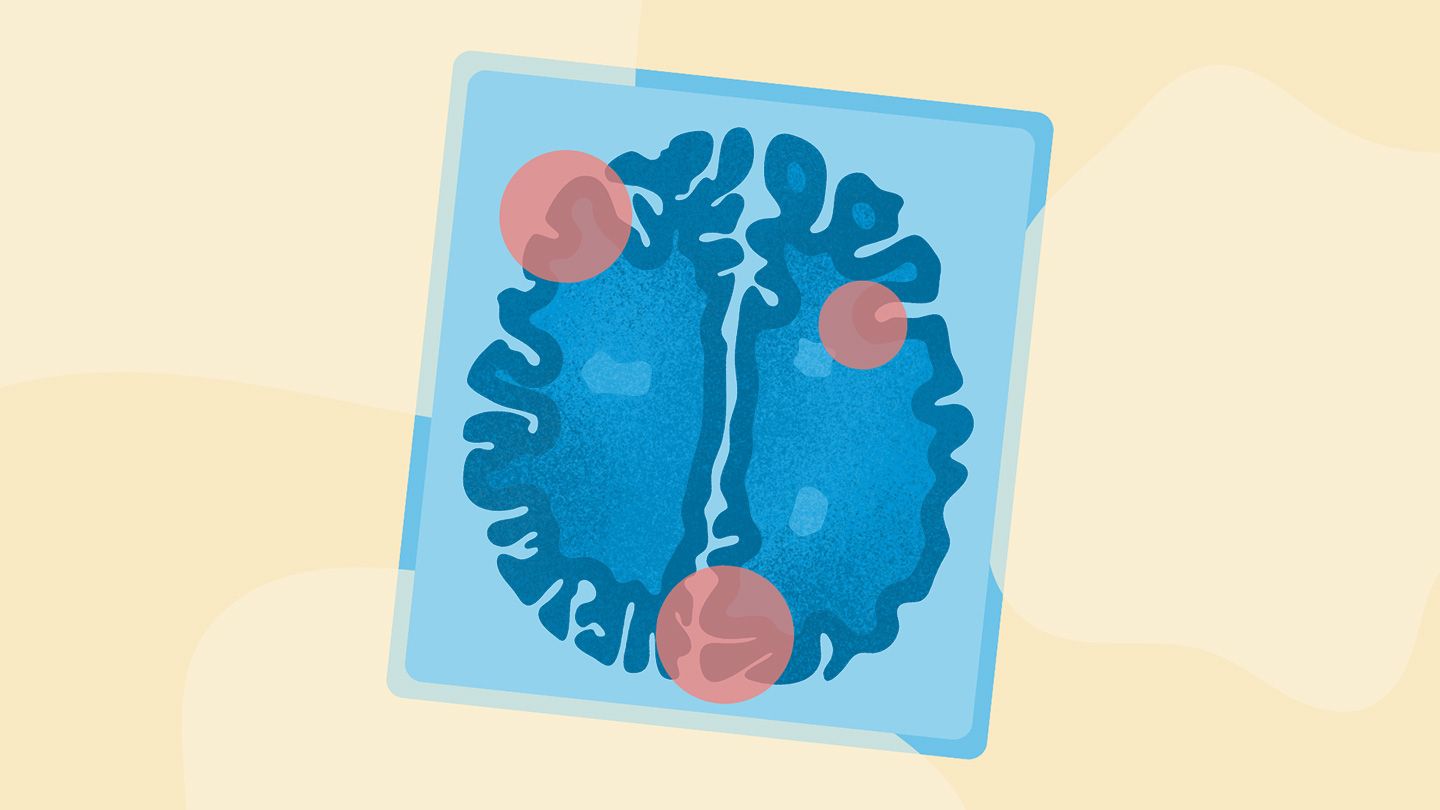
The researchers didn’t directly study whether women could distinguish stressful from nonstressful situations when their progesterone levels were high. “Instead, we looked at how distinctly the brain represented different combinations of emotional stimuli and actions, such as approaching an angry face rather than automatically avoiding it,” Buades-Rotger says.
It’s possible that progesterone makes brain signals that are involved in emotional control “blurrier,” making it harder for the brain to figure out the appropriate response when there’s a conflict between emotional information and immediate impulses, according to Buades-Rotger. “This interpretation fits with previous research suggesting that progesterone can increase sensitivity to threat and diminish emotional control, although the literature is not entirely consistent,” he says.
It’s also possible that the brain isn’t able to process emotional demands as well as usual when progesterone levels are high, Gallagher says. “Ideally, our response is somewhat calibrated to what’s actually happening,” she says. “A minor annoyance shouldn’t necessarily recruit the same emotional resources as a genuinely difficult situation.”
If the brain has trouble differentiating between those demands, emotional regulation can feel harder than usual, she explains.
Study Has Strengths and Limitations
The study looked at multiple factors involved in mood, including hormone levels, brain scans, and reports from women about how they were feeling in the moment. But there are a few limitations.
“The study was correlational and measured people at one point in time, so we can’t say progesterone caused these brain changes or caused lower mood,” Gallagher says. Buades-Rotger agrees, noting that “we cannot say that progesterone directly caused these changes.”
But Gallagher says that the findings deliver an “interesting potential mechanism that gives us another piece of the puzzle” when it comes to mood regulation.
Ultimately, Hormones Are Just One Factor in Mood, Doctors Say
Buades-Rotger cautions against interpreting progesterone as “bad” for mood. “Progesterone is an essential hormone with many important functions, and the associations we observed were relatively subtle differences among healthy women,” he says.
“The more useful takeaway is that hormonal state appears to be one of many biological factors that can contribute to normal variation in how the brain regulates emotion and, potentially, in how we feel,” Buades-Rotger says. “Understanding these effects properly may ultimately be relevant to women who experience pronounced mood changes associated with hormonal fluctuations.”
Because men produce progesterone, too, research is needed to see how much it impacts their mood, Buades-Rotger says.
Gallagher suggests that people keep the findings in perspective. “Hormones are one piece of a much larger and more complicated picture when it comes to our emotional experiences,” she says.
Read the full article here