What’s Involved in IUD Placement?
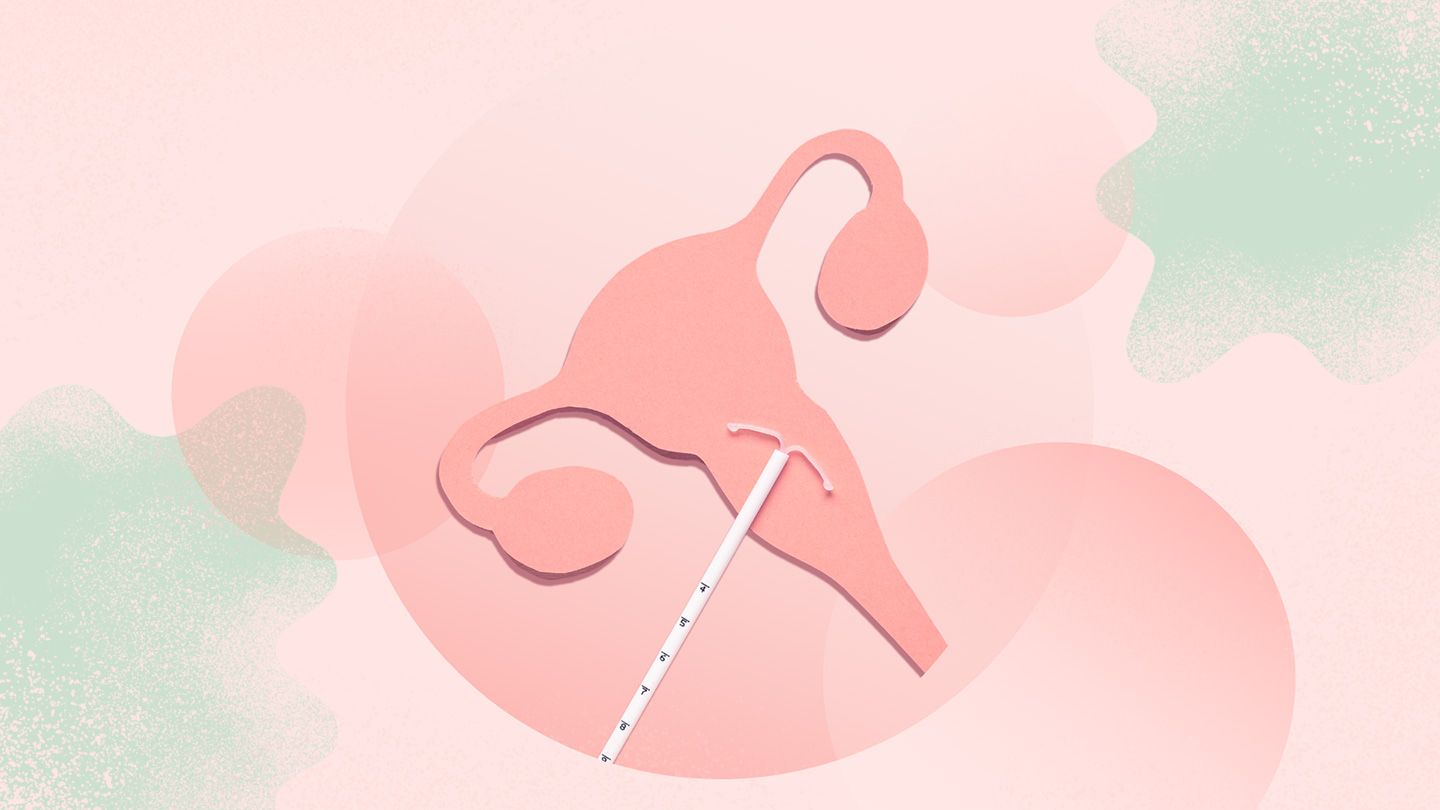
To insert an IUD, a healthcare provider uses a speculum (the same device used for Pap smears) to widen the vagina. Then the provider places the device into the uterine cavity via the cervix, says Kecia Gaither, MD, an obstetrician-gynecologist and a maternal-fetal medicine physician at Weill Cornell Medicine in New York City. Dr. Gaither, who is also an associate professor of clinical obstetrics and gynecology, was not involved with the study.
Some physicians prefer placing the device when a woman is on her period, because the cervix is slightly more open at that time, she says. “Prior to the procedure, patients are counseled that the procedure may cause pain, cramping, dizziness, or even fainting,” she adds.
Your Doctor Should Offer Pain Management Before IUD Placement
Practices “vary widely” when it comes to pain management for IUD placement, says Tracy Shevell, MD, an ob-gyn based in New York City. Dr. Shevell was not involved with the new study.
“Many women are just told to take ibuprofen beforehand, though that doesn’t do much for the insertion itself, as the cervix has its own nerve endings and the IUD has to enter through that space to be placed at the top of the space inside the uterine cavity,” she says.
Numbing drugs like lidocaine, applied as a spray, cream, or injection to the cervix, are the options “with the best evidence,” Shevell says — although the study notes that some of these methods can cause significant discomfort themselves.
The American College of Obstetrics and Gynecologists began recommending these methods in 2025. The organization also says clinicians should discuss and offer pain management to all women seeking an IUD.
The Study Has Some Limitations
The trial compared mepivacaine with a placebo, or sham drug, rather than to other pain-relief methods, Elgemark says. “So we cannot say how it compares with other options.”
Also, study participants were relatively young and hadn’t previously given birth, so they’re likely “the most affected by pain,” Elgemark says. “Therefore, results may not fully apply to everyone having an IUD placed.”
‘Your Pain Deserves to Be Taken Seriously’
Pain management during IUD placement is crucial, as many women forgo this contraceptive option because they fear the pain, Gaither says. “No woman should have to endure discomfort or opt for another methodology due to pain.”
Delivering a local anesthetic via a catheter into the uterus, as in the new trial, may not be widely available in the United States, Shevell says. But Elgemark points out that “the equipment needed is already available in most gynecological clinics, as the catheter is used for other gynecological procedures.” Several clinics in Sweden have already started using the new technique, she says.
Ask your doctor about options for pain management if you’re getting an IUD, Shevell says. If your provider dismisses pain concerns and doesn’t offer any solutions, she suggests finding a different clinician.
“Your pain matters and deserves to be taken seriously, and clinicians have historically underestimated how much this procedure can hurt,” Shevell says.
Read the full article here