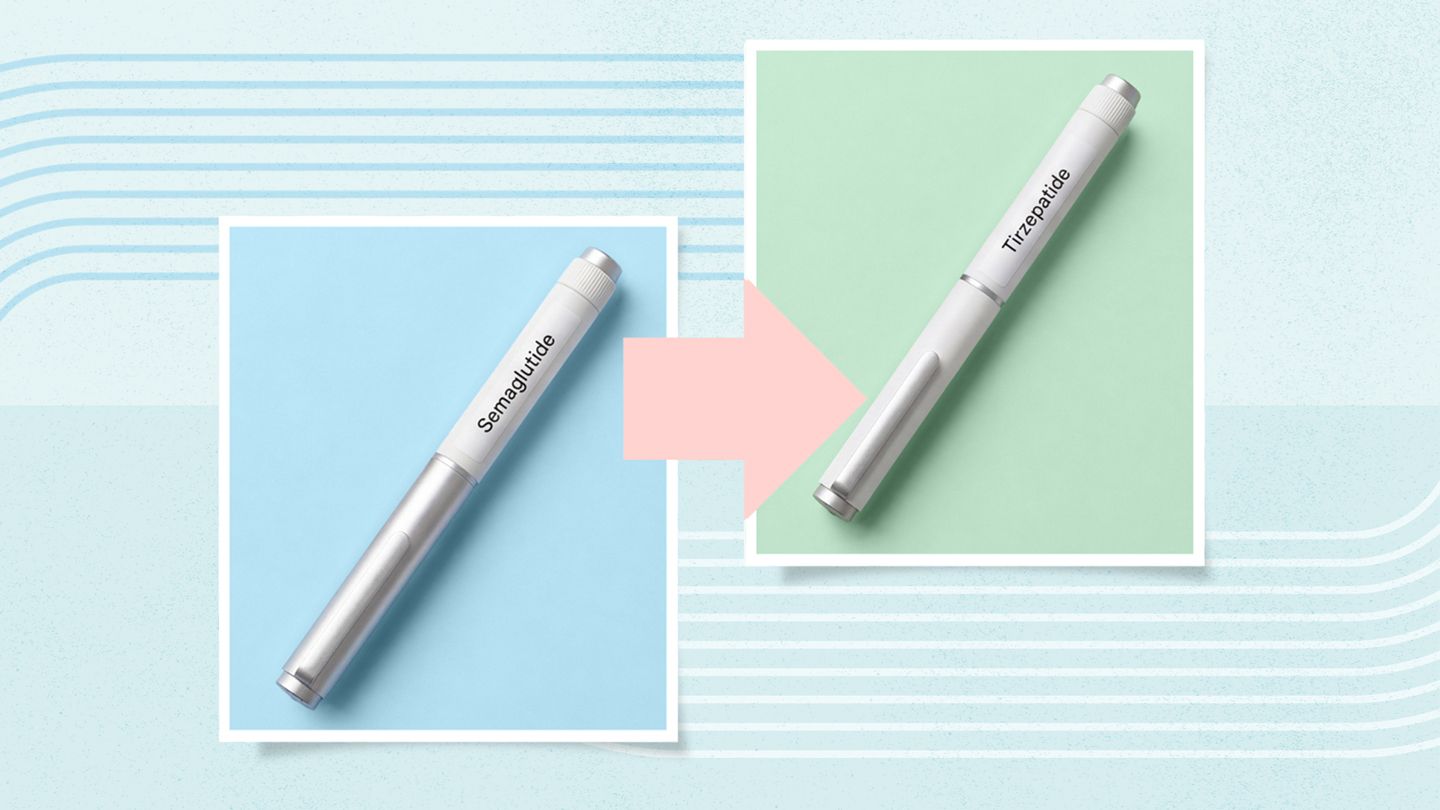
Common Reasons for Switching GLP-1 Obesity Drugs
“The most common reason I see patients switch therapies is a change in insurance coverage or formulary status,” says Rhodes.
A change in employment, marriage status, or pharmacy benefits can force someone off a medication that is working, she explains.
Other reasons people make the switch, according to Rhodes:
- Persistent or intolerable side effects
- Less weight loss than expected despite appropriate dosing and lifestyle changes
- A preference for an oral medication rather than an injection
- Changes in health status, lifestyle, or treatment goals
Issues With Side Effects
People do switch GLP-1s because of side effects like nausea, though Rhodes considers this “a later option rather than a first response.”
Before recommending that patients change to a different GLP-1, physicians will typically aim to reduce side effects by keeping someone at the same dose for longer, for instance, or treating the specific side effect, Rhodes says.
Not Enough Weight Loss
Patients and some physicians may opt to switch a GLP-1 if weight loss slows or temporarily stops. But Rhodes recommends waiting things out.
“The body naturally attempts to reestablish homeostasis [a “steady state”] during weight loss, so plateaus are an expected part of the process,” she says. “Without understanding that physiology, patients and providers may be tempted to switch medications prematurely.”
Social media has created unrealistic expectations, and many patients expect dramatic weight loss on introductory doses. “In reality, these lower doses were designed to improve tolerability, and some individuals do not experience significant weight loss until they have reached higher therapeutic doses,” says Rhodes.
Read the full article here