Because our body clocks are sensitive to light, things like how much sunlight we’re exposed to throughout the day and what types of light we’re exposed to at night affect our sleep schedules.
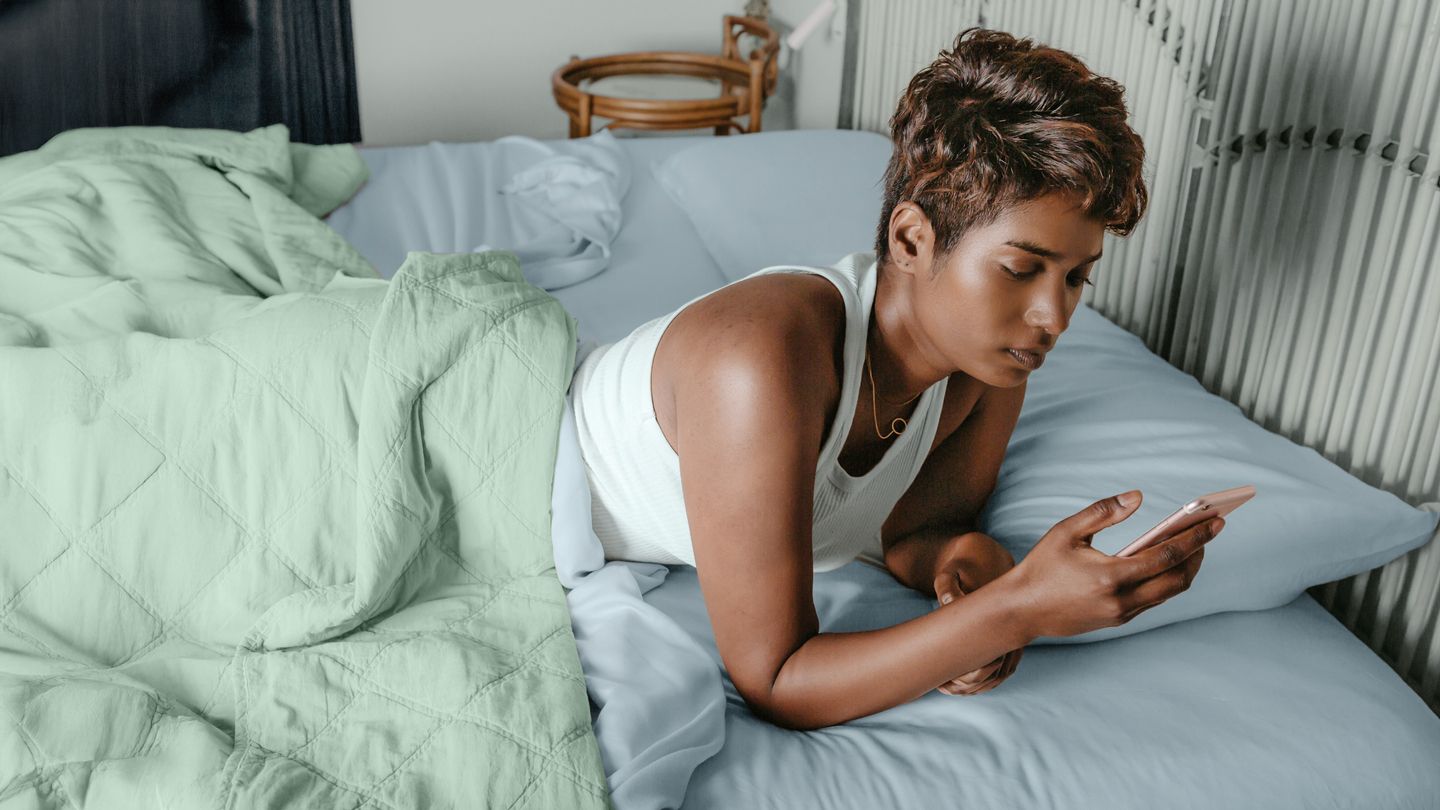
Another sneaky sleep disrupter is “social jetlag,” i.e., when you spend more time online and on your phone at night.
A severely misaligned body clock and sleep schedule could also mean you have a condition known as advanced phase sleep syndrome. It tends to affect older adults and is characterized by early bedtimes and very early wake times (between 1 a.m. and 5 a.m.). Others, especially younger people, may experience the opposite: delayed sleep phase syndrome (DSPS), or going to bed extremely late and waking up late. It’s estimated to affect as many as 15 percent of teenagers.
“Due to the individual’s daytime obligations, a person with DSPS may be forced to wake up earlier and go against their natural circadian tendency,” says Zozula. This can lead to chronic sleep deprivation, poor performance, and depression.
Read the full article here