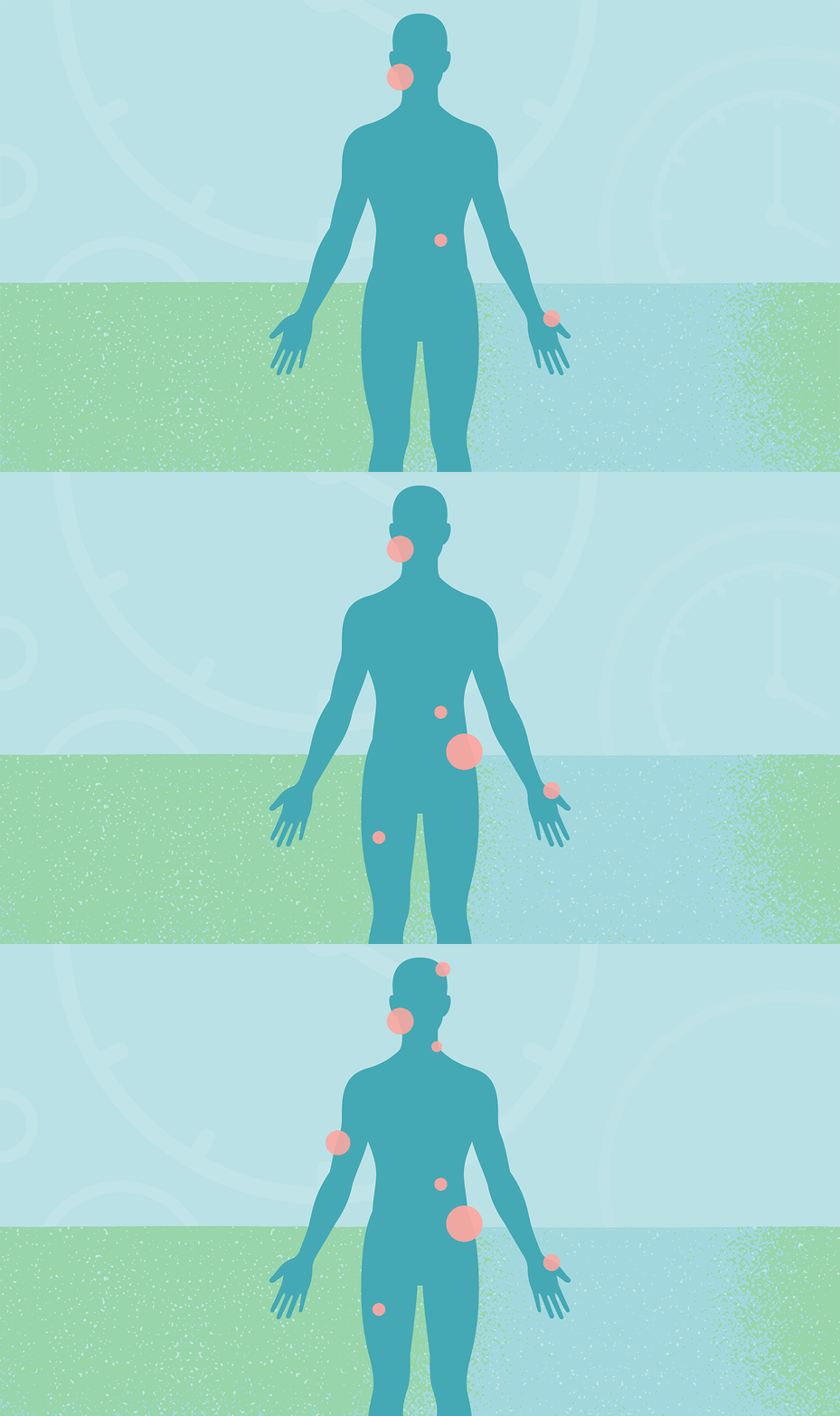
Later-Stage HIV and AIDS Later-Stage HIV and AIDS If left untreated, HIV will almost invariably lead to symptomatic disease. There is no timeline or pattern as to when this might happen. Generally speaking, the lower a person’s immune health (as measured by their CD4 count), the greater the risk of certain illnesses.e60dc2a1-f33c-4a05-9b50-8e3e8e597629c2c2956b-91ed-43d5-b78d-7602c1a46101 Medical experts refer to these illnesses as “opportunistic” because they occur only when a person’s immune defenses are down. At a certain point, if still untreated, the depletion of CD4 T-cells can lead to a stage of disease called AIDS, or acquired immunodeficiency syndrome . This is when the most serious opportunistic infections tend to occur. AIDS is officially defined as either having a CD4 count under 200 or the presence of at least one of more than 25 different AIDS-defining conditions . e60dc2a1-f33c-4a05-9b50-8e3e8e597629fbb4365e-195d-4d63-b4bd-37786c3481af Manifestations in later-stage HIV and AIDS include viral, bacterial, fungal, and parasitic infections, as well as cancers like invasive cervical cancer and non-Hodgkin lymphoma . These infections affect the organs and various areas of the body, including:e60dc2a1-f33c-4a05-9b50-8e3e8e597629df708134-3ec2-4dbf-b39a-b35e357c9702 Lungs (bacterial pneumonia, tuberculosis, pneumocystis pneumonia) Skin (shingles, Kaposi sarcoma ) Gastrointestinal system ( Mycobacterium avium complex, cryptosporidiosis) Brain (toxoplasmosis, cryptococcal meningitis ) Eyes (cytomegalovirus retinitis, herpes zoster ophthalmicus) Blood ( Salmonella septicemia)
4 Weeks After Exposure 4 Weeks After Exposure The chronic stage of infection occurs once the immune system brings the virus under control. During this phase, HIV will go into hiding, where it resides in various cells and tissues throughout the body in a dormant state known as latency.e60dc2a1-f33c-4a05-9b50-8e3e8e597629ed5574ee-d60a-4d11-8d1b-5c6f56ee73a6 HIV latency can persist without symptoms for 10 years or more, although some people may experience symptoms within a year or two. During the early chronic phase, lymphadenopathy may be the only notable sign of an HIV infection. In some cases, the glands may be visibly enlarged, reaching up to an inch or more. If the condition persists for more than three months, it’s referred to as persistent generalized lymphadenopathy.e60dc2a1-f33c-4a05-9b50-8e3e8e597629462748fc-c56d-444c-a6d1-4e7fc796315f Even during latency, the virus will multiply subtly and gradually deplete immune cells known as CD4 T-cells. As immune deficiency develops, a number of nonspecific symptoms are likely to appear, including: Oral candidiasis ( thrush ), a fungal infection that causes creamy, white patches on the sides of the tongue and lining of the mouth to form Unexplained fevers or weight loss Severe, uncontrolled diarrhea that lasts for more than three days These symptoms are commonly seen in people with an immune deficiency. With the exception of thrush, they may, in some cases, be caused by HIV itself or by an infection that has yet to be diagnosed.
Human immunodeficiency virus (HIV) infection is a progressive disease, meaning that it typically worsens over time. In the early stages, the symptoms may be mild and easily mistaken for an illness like the flu. However, as the disease progresses and weakens the immune system, other, more serious symptoms can develop. That’s why many people won’t know they’ve been infected until years after they were first exposed to the virus. It’s important, therefore, to recognize the signs of HIV at different stages of the infection. By doing so, you can get tested and begin HIV treatment , which can allow you to live a healthy life. “Even if you don’t have symptoms, early testing and treatment confers far better health and near-normal life expectancy,” says Linda-Gail Bekker, MD , an infectious disease specialist who is the deputy director of the Desmond Tutu HIV Centre, based in South Africa, and the former president of the International AIDS Society . While the signs and symptoms of HIV may vary from person to person, here’s a look at the common ones, along with the stages of infection in which they likely appear.
2 to 4 Weeks After Exposure 2 to 4 Weeks After Exposure Known as acute retroviral syndrome, or ARS, the acute stage occurs immediately after being infected, when the immune system has yet to control the virus. During this time, about two-thirds of people will experience mild to moderate flu-like symptoms, whereas the rest won’t experience any symptoms at all.e60dc2a1-f33c-4a05-9b50-8e3e8e597629ceda3d08-c095-4d5f-b1b6-3a668cf75f2b Although these signs typically appear within two to four weeks of exposure, they can also occur within as little as three days. During this stage of the virus, 40 to 80 percent of people get a rash, which often affects the face, neck, and upper chest. The rash appears reddish, with both flat and raised patches of skin that sometimes gradually coalesce into larger, raised hives.e60dc2a1-f33c-4a05-9b50-8e3e8e5976298df27df6-b981-49d1-b855-8149583b26ed Other common ARS symptoms include:e60dc2a1-f33c-4a05-9b50-8e3e8e59762981e01580-0873-4056-bbdb-786809846396 Fever Fatigue Headache Sore throat Muscle aches Joint pain Swollen lymph nodes Night sweats Nausea Diarrhea The average duration of ARS symptoms is 14 days.e60dc2a1-f33c-4a05-9b50-8e3e8e59762958fc7482-2902-4d22-bfa9-3b422bccc0db
The Takeaway Two to three weeks after HIV exposure marks the acute stage of the infection (ARS), where many people may experience flu-like symptoms accompanied by a rash. At the three- to four-week mark, the immune system will begin to bring the infection under control, and people may start feeling better. At the four-week mark, the infection will go into hiding and remain dormant, though the virus will still be active at very low levels. It’s important to recognize the different stages of HIV, so that you can get tested and begin treatment. Early testing and treatment can allow you to live a healthy life and prevent HIV from progressing to later-stage HIV or AIDS.
3 to 4 Weeks After Exposure 3 to 4 Weeks After Exposure During this stage, the virus will begin to stop multiplying rapidly or will multiply at very low levels.e60dc2a1-f33c-4a05-9b50-8e3e8e597629f7cbcd15-1662-4e95-9185-6ca1dc7e200f Although some people can experience ARS symptoms for up to three months, most people will start feeling better within two weeks, as the immune system gradually brings the infection under control. The exception: a symptom called lymphadenopathy, a sometimes painful swelling of the lymph nodes in various areas of the body, such as the neck, armpits, or groin region. Even when other symptoms have disappeared, lymphadenopathy may continue for months or even longer. And in general, the lack of symptoms in some people or the seeming resolution of early-stage symptoms does not mean that the HIV infection is gone.e60dc2a1-f33c-4a05-9b50-8e3e8e597629df889688-367d-455e-a7df-9588d555fc6f HIV is an ongoing condition that requires consistent, regular treatment.
Read the full article here