


Why Do We Need Nucleic Acids?
Nucleic acids are made up of nucleotides, molecules that are essential to almost every biological process in the human body.
Most people are familiar with the nucleic acid DNA, which contains the body’s instructions needed to make the proteins and other molecules necessary for growth, development, and overall health. The main role of RNA, another important nucleic acid, is to convert the information stored in DNA into proteins.
Proteins are then made with building blocks called amino acids, which is why getting plenty of amino acids, especially essential amino acids (those the body can’t make on its own), from a balanced diet is also important.
Nucleic acids play a key role in reproduction as well, passing genetic information to the fetus. During conception, DNA from egg cells and sperm cells combine, producing a fertilized egg with a full set of DNA. This fertilized egg contains all the genetic information necessary to grow into a functional human.
Beyond these core functions, limited research suggests that nucleic acids may provide health benefits such as immune support, improved recovery times when ill or injured, and gastrointestinal wellness.
Nucleic Acid Foods
Any foods that come from a living thing such as animals, plants, and yeast contain nucleic acid. With that said, some contain more than others. Research suggests plant and animal tissues that either grow quickly or have the potential to regenerate are the most potent sources of nucleic acids.
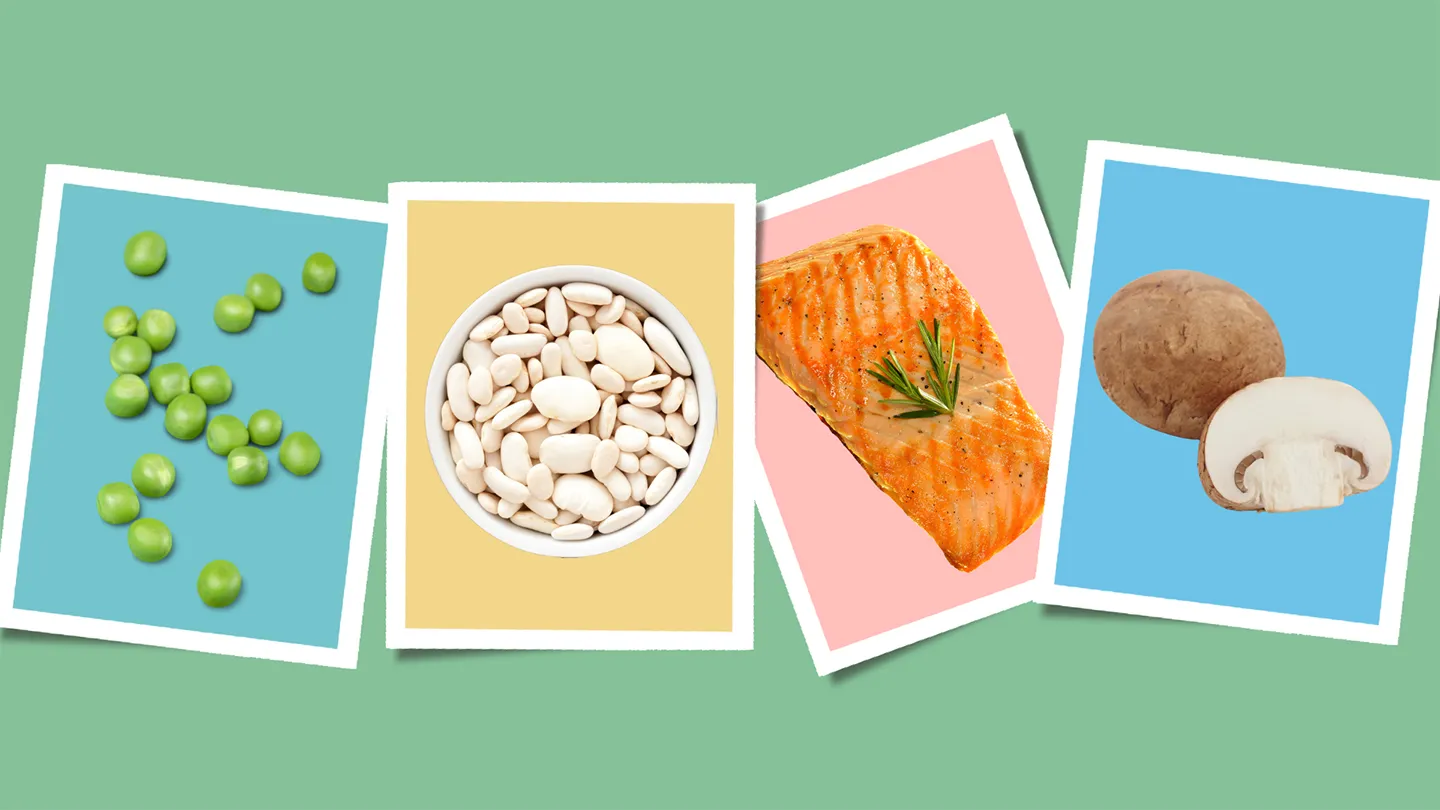
Examples of nucleic acid foods include:
- Meat
- Fish
- Seafood
- Beans
- Peas
- Lentils
- Mushrooms
Uric acid is one of the main metabolic byproducts of dietary nucleic acid. A waste product, uric acid dissolves in the blood and travels to the kidneys, which filter it out along with other waste products in urine. While uric acid isn’t inherently problematic, high uric acid levels in the body can lead to a number of health conditions, including gout and kidney stones. Eating more meat and seafood is generally associated with higher uric acid levels compared to a diet rich in plant-based nucleic acid foods.
Read the full article here


