1. Dehydration
“The only way the kidneys can discard the excess nitrogen is by increasing urination and thus you become dehydrated as a result,” says Babak Razani, MD, PhD, a cardiology professor at the University of Pittsburgh School of Medicine.
Symptoms of dehydration can include feeling thirsty, tired, dizzy, or lightheaded as well as experiencing unusually dry skin, sunken eyes, or dryness in your mouth.
2. Foamy or Bubbly Urine
If your urine looks foamy, it can be a sign of proteinuria, or a high level of protein in your urine — a potentially serious condition that can be an indicator of kidney damage. While more research is needed, some studies have shown that there may be a link between eating high amounts of protein and proteinuria, according to a review.
3. Kidney Stones
Eating too much animal protein can lead to kidney stones because frequent urination to purge excess nitrogen from the kidneys can upset the typical acidity levels in the urine and trigger production of oxalates, substances in the liver that form kidney stones, Razani says.
4. Irregular Bowel Movements
Eating any nutrient in excess — including protein — can make it hard to digest and lead to digestive issues such as constipation, Razani says. Constipation is common when you eat too much protein because most people do this by cutting back on other nutrients like fiber and lack a balanced diet to regulate the bowels, Razani says.
“If high protein dietary patterns are deficient in fiber, then bowel issues may be the result of such low fiber intake,” Kirkpatrick says.
5. Weight Gain
High protein diets are promoted as a good way to reduce your hunger levels so you eat fewer overall calories, Razani says, so it may seem counterintuitive that eating too much protein could lead to weight gain. But the fact is, there’s a lack of scientific evidence to back up claims that high-protein diets lead to weight loss, and some people may actually experience weight gain.
The problem: Not everybody actually eats less on a high protein diet. “Excess protein intake, if balanced by less intake of other foods, is good for weight loss,” Razani says. “But if your total calorie intake is higher than before even if it is all in the form of protein, then weight gain occurs.”
How to Get a Balanced Amount of Protein in Your Diet
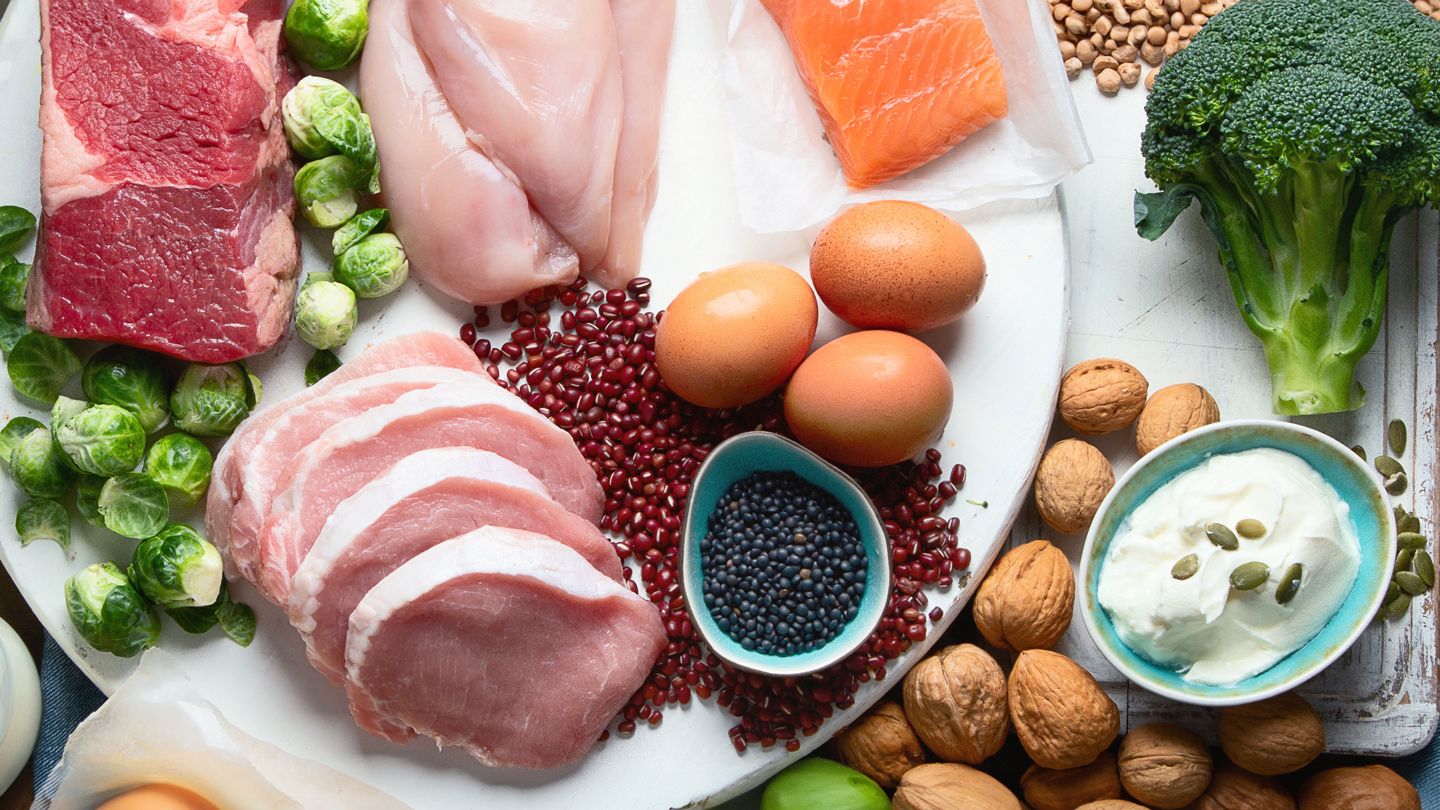
Most people eat more protein than they need, even when they’re not trying to follow a high-protein diet, Razani says. For example, you’ll get around 17 grams of protein from a 3 oz serving of cod and 26 grams of protein in a 4 oz serving of boneless, skinless chicken breast — and those portions are far smaller than what many people put on their dinner plates, he says.
Two good ways to make sure your total protein intake is optimal: Focus on portion sizes and make sure you include other nutrient-rich foods in your diet. Following a Mediterranean style diet rich in whole grains, fresh fruits and vegetables, nuts, legumes, olive oil, and lean poultry and fish can also help you get a balanced diet with the right amount of protein and other nutrients, Razani says. “There is a lot of data to suggest that this diet, with about 15 percent of calories from protein mixed with healthy fats, and complex carbohydrates is the best overall healthy diet for the majority of us,” he says.
Yes, some people may benefit from a higher-protein diet — for instance, those healing from surgery, competing as an elite athlete, or experiencing health risks due to age-related muscle loss, says Kirkpatrick.
But if you don’t fall into one of these camps, you should talk with a health professional who specializes in nutrition before starting a high-protein eating plan.
The Takeaway
- Eating too much protein over an extended period of time can cause extra work for your kidneys and lead to uncomfortable symptoms like frequent urination and constipation, as well as more serious health issues like kidney stones.
- The best approach to cut back on excess protein is to watch your portion sizes and include other types of foods in your diet such as fruits, vegetables, and whole grains.
- Before you increase your protein intake or embark on any big changes in your diet, talk to your healthcare provider or a registered dietitian.
Read the full article here