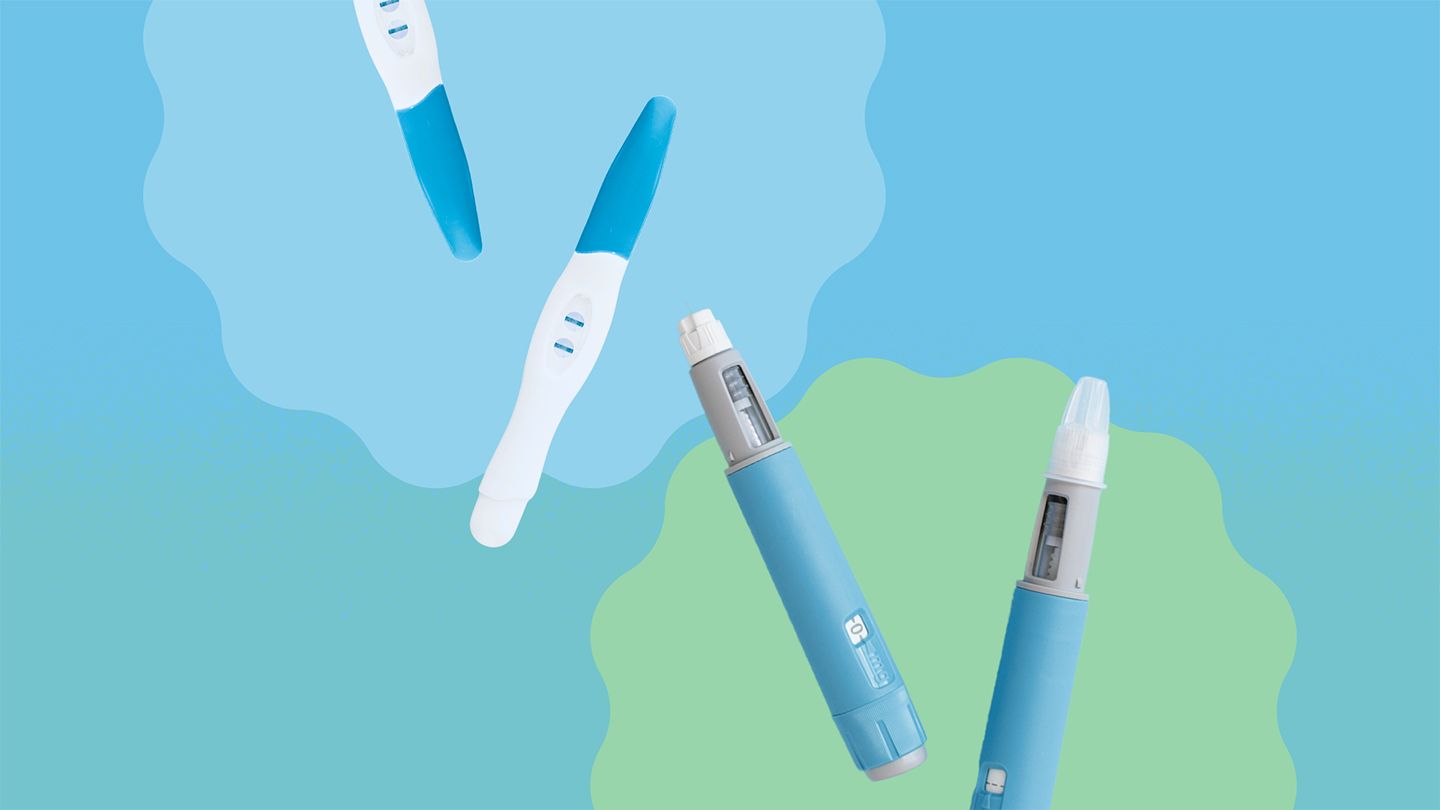
But a small new study may offer some reassurance. It found that women who were taking GLP-1s soon before getting pregnant, or who only stopped using these medications once they found out they were pregnant, actually had healthier pregnancies, without significant increases in birth defects or other problems for their newborns.
“This research is compelling and adds information to help counsel patients, since we’ve had limited data in this area,” says Sonal Gandhi, MD, an obstetrician-gyncologist at Women’s Health Arizona in Chandler, who wasn’t involved in the new study.
However, the question about whether it’s safe to take GLP-1s around the time of conception is far from settled. Dr. Gandhi notes that the new study is small and observational, meaning it can’t offer any conclusive pregnancy advice. “It is helpful for guidance, but not enough to confirm safety,” Gandhi says.
Study Looked at Data From Nearly 37,000 Pregnancies
To get more insight into how GLP-1s may affect pregnancy outcomes, researchers performed a meta-analysis. This type of study combines and analyzes results from multiple previous investigations — in this case four observational studies that included nearly 37,000 pregnancies.
Scientists compared data from two groups of women: those with diabetes, obesity, or both who were taking a GLP-1, and women with the same conditions who were taking some other type of diabetes medication.
In the GLP-1 group, 21 percent had taken the medication until finding out they were pregnant; the rest had stopped taking the medication before becoming pregnant.
The researchers examined the data to see how many women experienced health issues during pregnancy, including new high blood pressure or preeclampsia (when high blood pressure causes organ damage), gestational diabetes (new diabetes that develops as a result of pregnancy), cesarean delivery, and pregnancy loss.
They also looked for issues that negatively affected the health of the fetus, including preterm birth (before 37 weeks), major birth defects (including of the kidneys, heart, and nervous system), stillbirth, and abnormal birth weight (both small and large).
The data revealed that women who’d taken a GLP-1 had lower odds of negative maternal outcomes compared with the women taking other diabetes medications. Researchers found no link between GLP-1 exposure before or early in pregnancy and major birth defects or fetal complications.
How Might GLP-1s Improve Pregnancy Outcomes?
The latest findings, while still preliminary, suggest that GLP-1s may play a role in improving pregnancy outcomes by helping women better manage their weight and blood sugar, the researchers wrote.
However, they stressed that the findings show only positive links — not established evidence of safety or therapeutic benefit during or before pregnancy.
Does This Mean GLP-1s Are Safe When Trying to Get Pregnant?
Current guidelines recommend women stop taking GLP-1s at least two months before trying to conceive, or immediately after a positive pregnancy test.
These drugs stay in the body for about four to six weeks, so discontinuing them helps ensure they’re cleared from the body before early pregnancy, Gandhi explains.
The new study shouldn’t change the current recommendations, she emphasizes. “Until we have larger, more definitive studies, the safest approach is still to stop GLP-1 medications before trying to conceive.”
The findings, however, “are exactly the kind of data we need to justify properly designed prospective trials,” says Lora Shahine, MD, a reproductive endocrinologist and obstetrician-gynecologist at PNWF IVY Fertility Center in Bellevue, Washington, and host of the Brave and Curious podcast. Prospective studies provide stronger evidence than observational studies because they follow subjects over time, rather than looking back.
GLP-1s Can Affect Fertility
This may happen because the metabolic improvements caused by GLP-1s can help restore ovulation, especially for women with insulin resistance or polycystic ovary syndrome (PCOS), Gandhi says. “That means fertility may increase, sometimes unexpectedly, and women should be counseled regarding this.”
To prevent pregnancy you should use reliable birth control while taking GLP-1s, she says. “It should be noted that birth control pills may not be as effective while using GLP-1 medications,” Gandhi says, “so you might want to use a backup method.”
If you do become inadvertently pregnant while taking a GLP-1, stop using the medication and call your ob-gyn, Gandhi says.
“The available data so far are reassuring, with no increase in birth defects seen in early studies, but research is still limited,” she says.
Read the full article here