Why Are People Creating Their Own Custom Doses?
Experts say that there are several legitimate reasons why people using semaglutide might want to microdose.
Getting Around Shortages
Microdosing first emerged as a strategy to cope with the past Ozempic and Wegovy shortages.
It takes months to gradually “step up” to the maximum dose of Ozempic or Wegovy. If a patient on a high dose of semaglutide cannot fill their prescription for a large injection pen due to a shortage, they may fear that they will have to go back to square one, the smallest starter dose, and lose months of progress.
Counting clicks to make a pen last longer during a shortage is a viable strategy, says Katherine Saunders, MD, an obesity physician at Weill Cornell Medicine and the cofounder of FlyteHealth. “If patients are unable to obtain their medication for a period of time due to a supply shortage, it’s always better to stay on whatever dose they can, instead of stopping the medication completely,” Dr. Saunders says.
And at times during semaglutide shortages, larger dose injection pens have been easier to find than smaller ones. As a result, doctors have been able to prescribe larger doses than their patients actually need, instructing them to count clicks to administer smaller doses.
As of February 2025, the FDA has announced that the shortage of semaglutide injection products has been resolved. In addition, they have also approved a pill version of Wegovy (a once-daily oral semaglutide 25 mg) that’s now available for adults living with obesity or weight-related medical problems. Already, the makers of the Wegovy pill advise not to “crush, cut, chew, or dissolve the pill.”
Saving Money
Some people who do not require a maximum dose are trying to save money by filling prescriptions for high-capacity pens and decanting or counting clicks to administer smaller doses.
Tchang says that this approach, though cost-effective, may conflict with semaglutide’s stated shelf life. The medicine officially expires 56 days after its first use, whether it’s kept at room temperature or in a fridge. After that point, users are instructed to dispose of the pen and any medicine remaining in it.
Managing Side Effects
Ozempic can result in substantial gastrointestinal side effects, including diarrhea, nausea, and vomiting. Not everyone experiences these uncomfortable symptoms, but those who do tend to feel them most severely when they step up to a higher dose of the medicine.
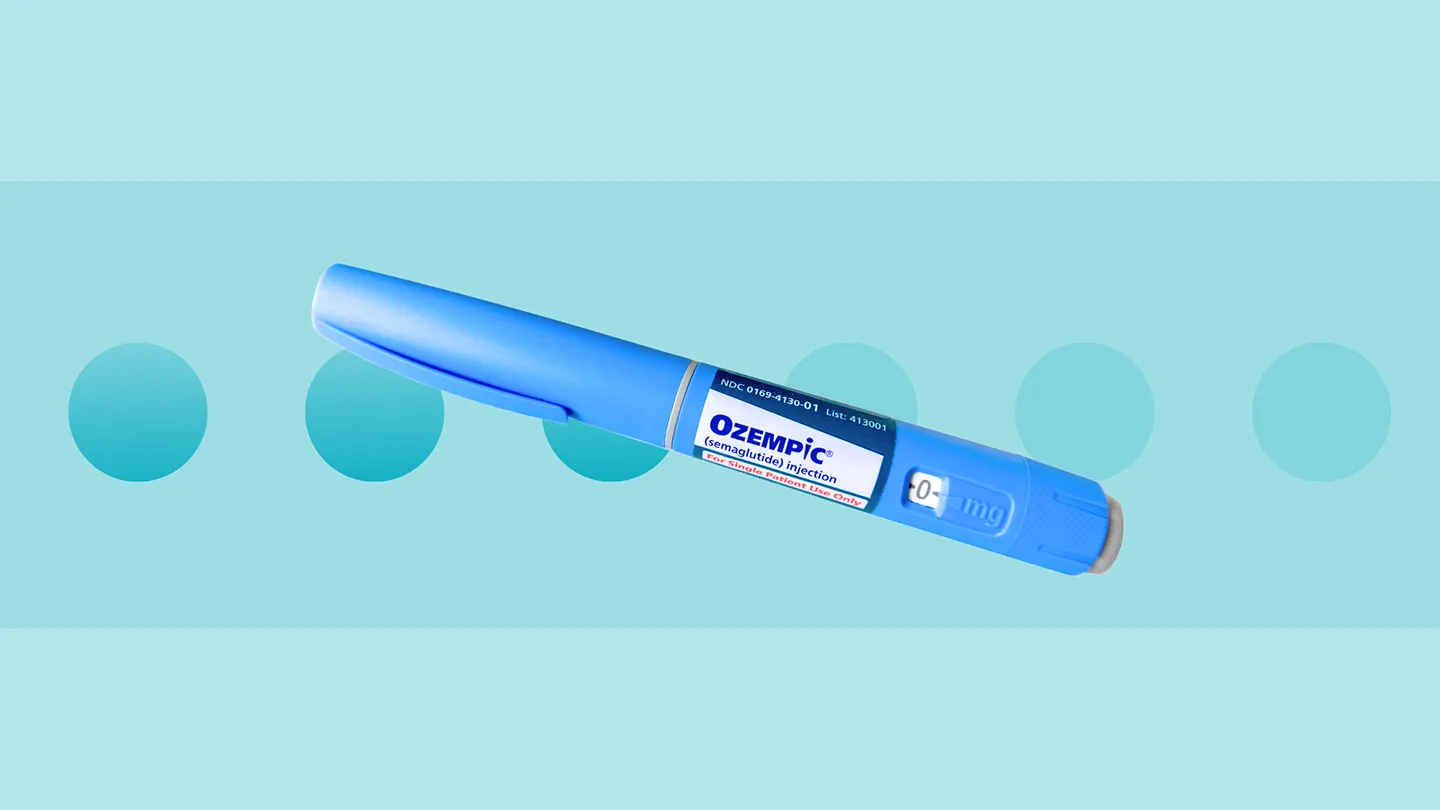
Microdosing allows users to increase their doses in smaller amounts than the standard increments. “A patient might be cautious of increasing semaglutide from 0.25 to 0.5 mg, so we might discuss microdosing to achieve a dose in between,” says Tchang.
Other patients may be unable to tolerate the side effects of the standard starter dose, but microdosing allows them to begin at an even lower level. “Some of our patients are on tiny doses if they don’t need or don’t tolerate higher doses,” says Saunders.
Click counting or microdosing could also help people manage side effects temporarily in situations where gastrointestinal distress might spell disaster. If you are scheduled to take your shot before a wedding, job interview, vacation, or some other important event, microdosing might offer a good alternative to skipping Ozempic doses entirely.
Maintaining Weight Loss
Some GLP-1 users who achieve their weight loss goals gradually dial down their dose by tiny amounts in the hope of saving money, building up a stockpile, or even having a more “normal” appetite without compromising their weight loss success.
Saunders warns against making such adjustments without the help of a doctor: “If someone with obesity has lost a significant amount of weight with a GLP-1 medication and they decide on their own to greatly reduce the dose of the medication, they’ll be at high risk of regaining. Medication dosage should never be adjusted without consulting the prescribing provider.”
Read the full article here