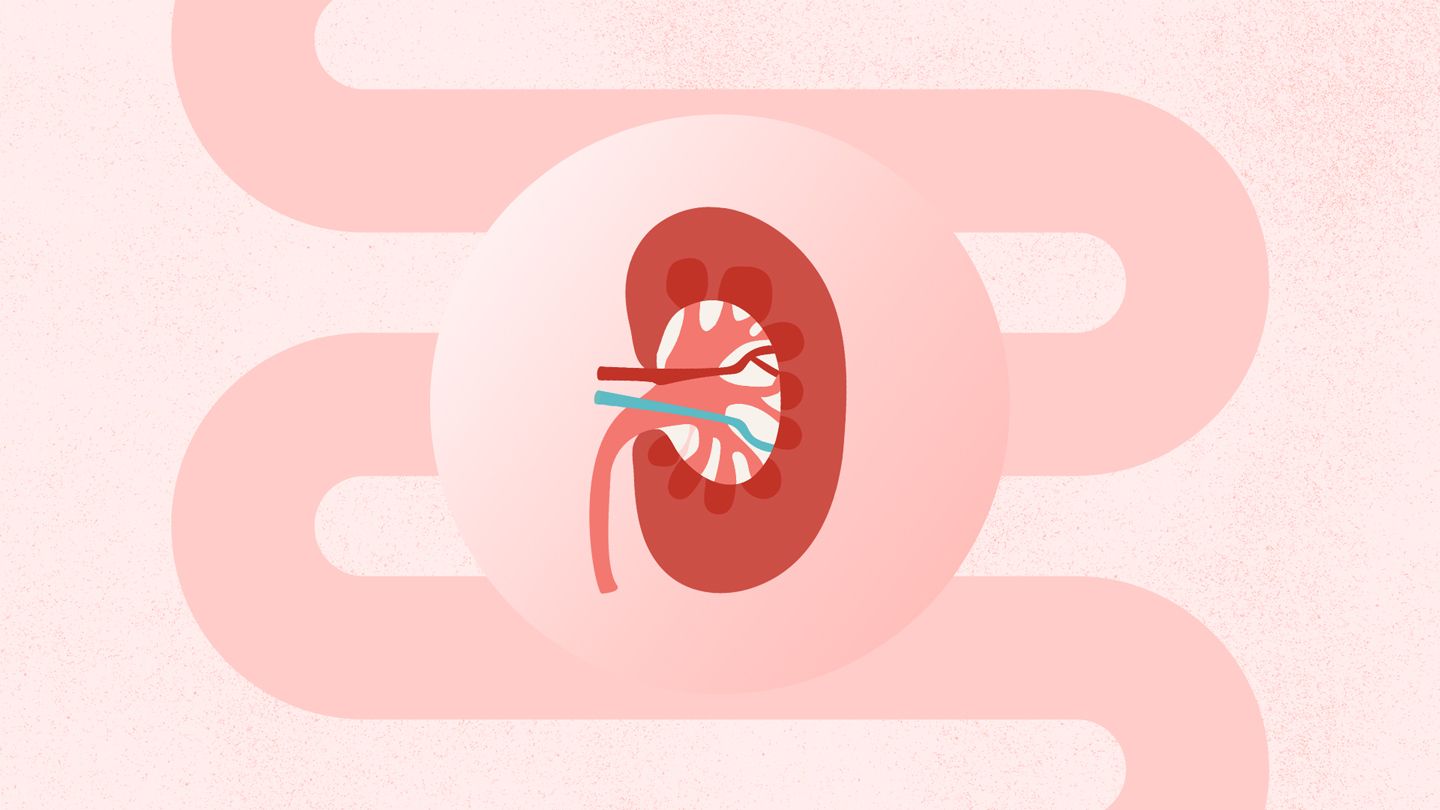
Protecting kidney health in Crohn’s disease comes down to a few priorities: hydration, nutrition, monitoring, and disease control. Expert tips include:
Stay hydrated. Aim to drink liquids steadily throughout the day — to around 10 to 13 cups, says Cormack. If you’re losing a lot of fluid, like during a flare, electrolyte drinks may help more than water alone, says Moss.
Get regular checkups. Simple blood and urine tests can catch kidney issues early, even before you notice symptoms. Your IBD team will include routine monitoring as part of long-term Crohn’s care, Cormack says.
Keep your Crohn’s under control. “Good disease control lowers the risk of dehydration, surgery-related complications, and rare inflammation-driven kidney disease,” says Campbell.
Be careful with pain relievers. Avoid frequent or unsupervised use of NSAIDs like ibuprofen, which can stress both your gut and kidneys, especially if you’re already dehydrated or experiencing a flare, says Cormack.
Watch your diet. You may need to limit high-oxalate foods, such as peanuts, rhubarb, spinach, beets, chocolate, and sweet potatoes. Cut back on excess salt and animal protein, and make sure you’re getting enough calcium, too, says Cormack. That’s about 1,000 to 1,200 milligrams of dietary calcium daily. “It’s okay to take a calcium supplement to reach this goal if needed,” she says.
Read the full article here