


As an inflammatory bowel disease (IBD), Crohn’s disease can cause inflammation in any part of your gastrointestinal tract.e60dc2a1-f33c-4a05-9b50-8e3e8e59762901898fc8-1934-42af-b307-19a6ea2be84d Although there are several ways to decrease inflammation, mainly though treatment with medications , another strategy is to add more your protein to your diet, says Nayana George, MD , a gastroenterologist at Orlando Health Digestive Health Institute in Florida. “As a macronutrient, protein helps the body heal, and that includes your gastrointestinal system, particularly the lining of the bowels,” Dr. George says. “Because of that, those with IBD conditions like Crohn’s often need more protein, because their bodies use it up quickly as a resource for healing.”e60dc2a1-f33c-4a05-9b50-8e3e8e597629616959b8-2d93-4ea5-b39a-f671306ce3f8 Here’s a look at what protein can do for those with Crohn’s, along with top protein choices that can complement other anti-inflammatory treatments .
Why Protein Is Important for Crohn’s Disease Why Protein Is Important Protein is essential for gut-lining repair because it contains amino acids , says George. These organic compounds, which are the building blocks of protein, help to regenerate cells in the gut’s mucosal barrier more effectively.e60dc2a1-f33c-4a05-9b50-8e3e8e597629545ee162-39ff-47cd-9753-34ef9653f546 This process can lead not only to repairing damage, but also to maintaining the structural integrity of the gut lining.e60dc2a1-f33c-4a05-9b50-8e3e8e597629c700b880-2bdc-4a9e-889a-b710aaafbbbb That means protein may help minimize symptoms and also play a role in reducing the frequency and intensity of flares , she says. Another key benefit of a stronger gut lining is better nutrient absorption.e60dc2a1-f33c-4a05-9b50-8e3e8e597629bc0b28cb-c90f-404b-8882-d1c0f5ff4a08 “Frequent diarrhea, which is common with Crohn’s, shortens the time that foods are processed in the body. So, getting enough nutrients is already a concern with this condition,” says George. “If there’s inflammation in the digestive tract, that can worsen the situation.”e60dc2a1-f33c-4a05-9b50-8e3e8e5976294fa007a3-b249-40ba-ae1b-2bbe81ffe8ab Reports of malnutrition in IBD vary. Some research says 20 percent of people with an IBD lack important nutrients to some degree. Other research places the prevalence as high as 85 percent.e60dc2a1-f33c-4a05-9b50-8e3e8e5976293b5fab7d-3acd-431b-a973-84777f608fda Protein on its own won’t wipe out inflammation, but it can go a long way toward making Crohn’s treatment work better, George says.
How Much Protein Do You Need for Crohn’s Disease? How Much Protein You Need Adults with active IBD such as Crohn’s should aim to take in 1.2 to 1.5 grams (g) of protein per kilogram (kg) of body weight per day, or about 1 g per kg when in remission , according to the European Society of Clinical Nutrition and Metabolism.e60dc2a1-f33c-4a05-9b50-8e3e8e597629d50427d6-32c7-40dd-bed3-24dd47bdcef8 One kg equals 2.2 pounds (lbs). But the amounts of protein may need to be adjusted based on your Crohn’s symptoms, says Adiana Castro, RDN , who specializes in gut health and is the owner of Compass Nutrition in New York City. If you’re in an active flare, for example, your body needs more protein to support gut healing.e60dc2a1-f33c-4a05-9b50-8e3e8e597629d50427d6-32c7-40dd-bed3-24dd47bdcef8 “Those going through surgery need even more protein,” she says. “Because there’s such a higher need for wound healing in that case, the protein goal would be 1.6 to 1.8 g per kg of body weight daily.”
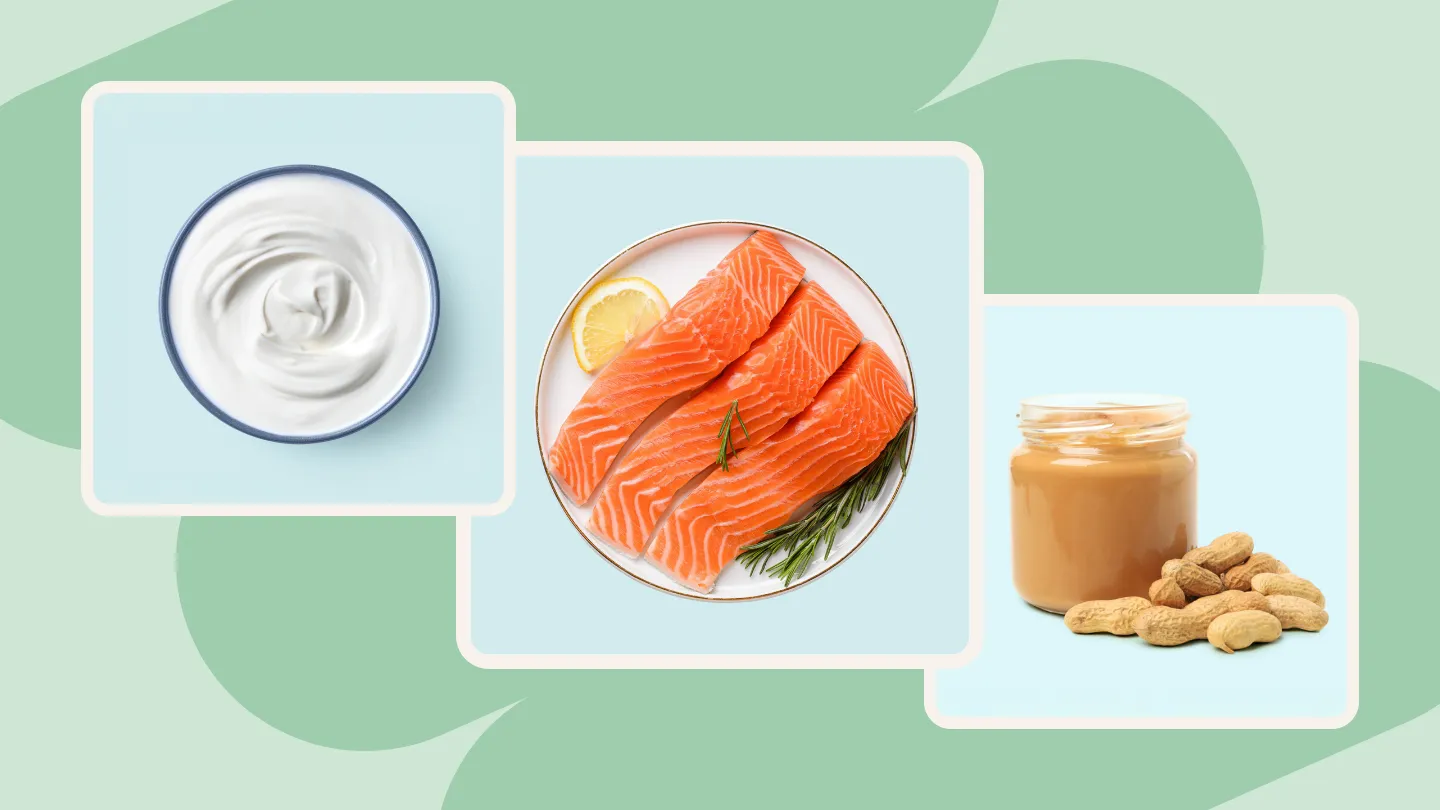
5 Top Sources of Protein for Crohn’s Disease Top Sources of Protein When choosing protein sources, it’s helpful to pick options that are known to be gentle on the gastrointestinal (GI) system, says Castro. This is especially important during a flare, when soft and well-cooked proteins are less likely to cause issues, she says. Here’s a handful of choices to consider. 1. Edamame Soybeans that are harvested before they ripen, edamame are often found in the frozen vegetable section. They’re very versatile. For instance, you can steam them and then add them to soups, salads, or stews. You can also saute them as part of a stir fry or an egg scramble.e60dc2a1-f33c-4a05-9b50-8e3e8e597629ea7403b2-8b86-4530-b4bf-041eea832bc3 “Although they look like other types of legumes, and can be used in a similar way, edamame [are] easier on the digestive system because they tend to produce less gas,” says Castro.e60dc2a1-f33c-4a05-9b50-8e3e8e597629ff3480cd-de8b-49a4-9989-e8202a034a89 According to the U.S. Department of Agriculture (USDA), one cup of cooked edamame has 18.4 g of protein.e60dc2a1-f33c-4a05-9b50-8e3e8e597629ed5dc585-662f-4f52-9e01-de66b1b4460c 2. Greek Yogurt Greek yogurt is processed by draining excess liquid whey, which is what tends to give it a thicker consistency. That also boosts the protein amount while retaining yogurt’s probiotics, says George.e60dc2a1-f33c-4a05-9b50-8e3e8e597629d3337f9b-24a0-4e96-ba8e-b7addf42e519e60dc2a1-f33c-4a05-9b50-8e3e8e597629d519ce1b-8a61-47f7-a729-2225b1766016 If you have issues with lactose in dairy products, try to find a lactose-free Greek yogurt instead, she says. The amount of protein will vary by brand, but in general, a serving that’s three-fourths of a cup contains between 14.9 to 17.3 g of protein, according to the USDA.e60dc2a1-f33c-4a05-9b50-8e3e8e597629c4f5c5ac-4ac2-45ee-b111-dad33a46ff63 e60dc2a1-f33c-4a05-9b50-8e3e8e5976294fc7443e-b062-474c-aacb-faf1a3358026 3. Nut and Seed Butters Although raw nuts and seeds can be hard to digest with Crohn’s, the butters made from these are often well-tolerated, says George. That means you can get the health benefits and flavor without the digestive challenges. There’s a variety of choices when it comes to nut and seed butters, such as sunflower seed, peanut, almond, cashew, and mixed nuts. A 2-tablespoon (tbsp) serving of creamy peanut butter provides 7.1 g of protein, while the same amount of creamy almond butter contains about 6.7 g of protein, according to the USDA.e60dc2a1-f33c-4a05-9b50-8e3e8e597629513b5d2a-f3d5-4c39-b649-bd268a5e5474e60dc2a1-f33c-4a05-9b50-8e3e8e5976295ef901e1-f036-4918-b1f8-3f585af2975c 4. Fish Fish such as salmon, anchovies, and sardines are excellent sources of protein, and they’re well-tolerated by many people with Crohn’s, says Castro. A 3-ounce (oz) serving of salmon has 17.3 g of protein, while a 1-oz serving of sardines canned in oil contains about 7 g of protein, according to the USDA.e60dc2a1-f33c-4a05-9b50-8e3e8e597629bec23a5b-f0c3-4ec0-a46e-6fc998651c45e60dc2a1-f33c-4a05-9b50-8e3e8e59762921b19b19-d96b-49fe-a862-05b57e3410a1 Fish is also high in omega-3 fatty acids , which are good for your immune system and gut health, George says.e60dc2a1-f33c-4a05-9b50-8e3e8e597629566aa4b9-2d62-4607-86bc-fae18a5fe984 Research on using omega-3s for Crohn’s hasn’t been conclusive, though, and more research is needed. Some studies have shown these fatty acids to have anti-inflammatory effects, but others have suggested that omega-3s have little to no effect on IBD treatment.e60dc2a1-f33c-4a05-9b50-8e3e8e59762986499908-856f-41f4-87a2-fda164715293 5. Chicken or Turkey Versatile and widely available, poultry is often a staple protein source for those with Crohn’s because it’s well-tolerated by the digestive system, says George. Unlike red meat, which has been linked with a higher risk of inflammation, chicken and turkey are high-protein options that can be prepared in ways that are less likely to trigger inflammation. According to research, avoiding high-heat cooking methods like grilling, broiling, smoking, roasting, and frying means you’ll take on less risk. Try baking, boiling, or using other lower-heat methods of cooking instead.e60dc2a1-f33c-4a05-9b50-8e3e8e59762937c96294-e65f-4bcb-950f-e84e0fd95cc8e60dc2a1-f33c-4a05-9b50-8e3e8e597629d83e8d82-5a0c-4e03-826a-7a196b6fc722 According to the USDA, a 3-oz serving of boneless, skinless chicken breast contains about 19.1 g of protein, while the same serving size of skinless turkey breast provides about 20.1 g of protein.e60dc2a1-f33c-4a05-9b50-8e3e8e597629163d021a-e5d0-4aef-bd1f-61a5fb8fdd87e60dc2a1-f33c-4a05-9b50-8e3e8e597629b947f58e-69f1-4525-afba-fe9cf7f14638 If you don’t already have your own registered dietitian who specializes in gut health and chronic (long-term) health conditions, think about asking your doctor’s office if they have one on staff, or look for someone yourself, says Castro. Just like having a medication regimen, following a nutritional approach that’s tailored specifically to your needs and preferences can go a long way toward easing Crohn’s symptoms, she says. A registered dietitian can also help you find ways to meet your protein targets when it’s hard to eat, like when you’re having a flare or recovering from surgery.
The Takeaway The inflammation linked with Crohn’s disease can lead to damage in the gut lining; getting enough dietary protein is important, as it may promote healing. The best protein sources for Crohn’s are those that are soft and well-cooked, so they’re easier on your digestive system. Protein requirements will vary depending on whether you’re having active Crohn’s symptoms, have just had surgery, or are in remission.
Resources We Trust Mayo Clinic: Lifestyle, Diet in Inflammatory Bowel Disease Cleveland Clinic: A Nutritional Plan for Anyone Living With Crohn’s Disease or Ulcerative Colitis Crohn’s & Colitis Foundation: What Should I Eat With IBD? Crohn’s Colitis Canada: Diet and Nutrition: Eating and Drinking With IBD Canadian Digestive Health Foundation: How Nutrition Can Support Gut Health and the Immune System
Read the full article here


Leave a comment
