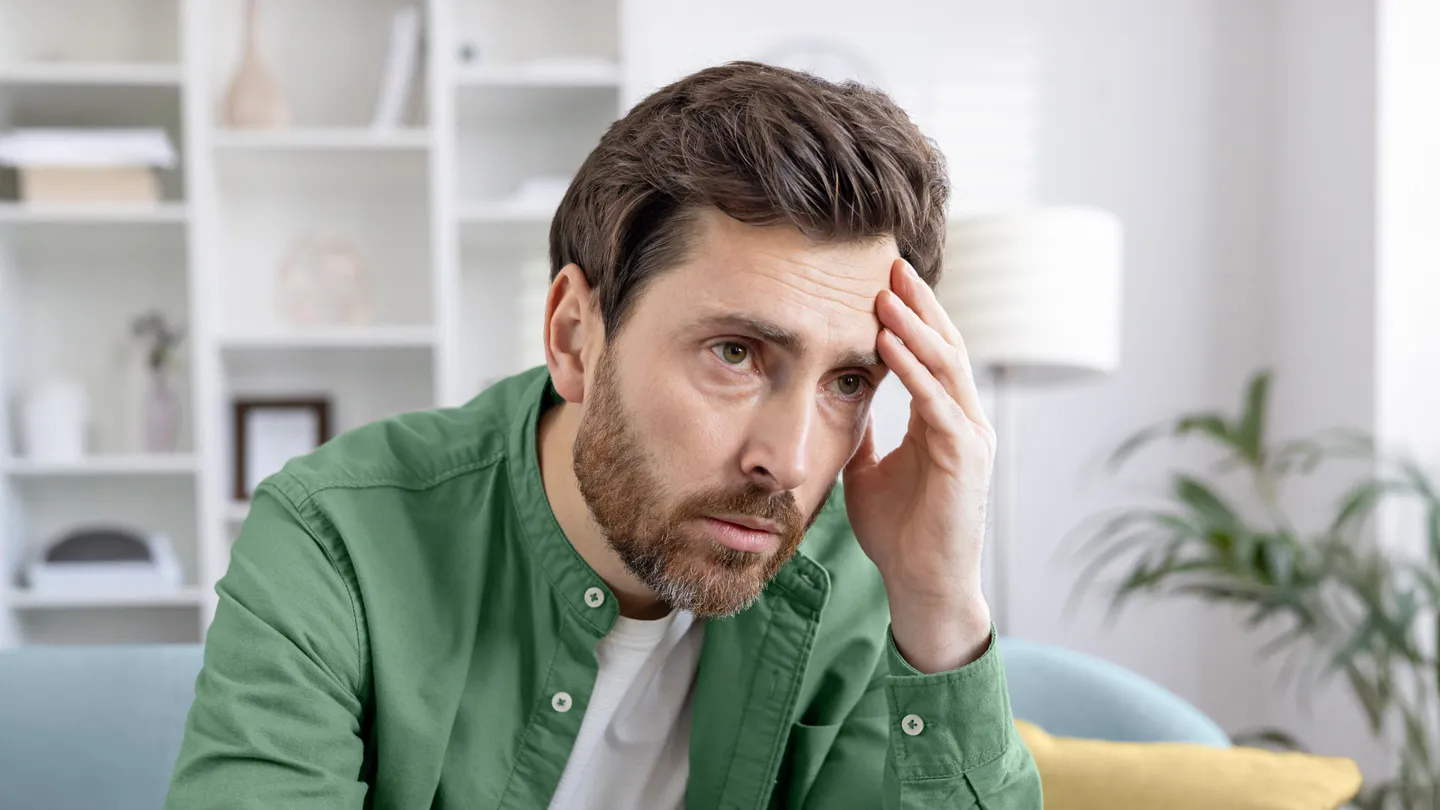
Many kinds of chronic illness can increase the risk of emotional distress, particularly those that cause pain or discomfort, and EoE is no exception, says Hannah Holmes, PhD, a clinical health psychologist in private practice in Boone, North Carolina, who specializes in anxiety and chronic pain.
This can be amplified if it takes time to arrive at a correct diagnosis, she adds. That’s not unusual for the condition; research suggests that it takes on average between four and six years after symptoms start to get an EoE diagnosis. That can result in frustration and feelings of helplessness while waiting for answers, says Dr. Holmes.
“Even after you have a diagnosis of EoE, the prospect of managing symptoms and adapting your daily life to prevent and address symptoms can be extremely daunting,” she notes. “All of this work, on top of the discomfort that comes with the condition, can be overwhelming and isolating.”
The result is an increased risk of depression, research suggests. A study in Gastro Hep Advances linked the condition’s impact on everyday function, including sleep and social interactions, to symptoms of depression and anxiety in people with EoE. This impact may lead to restricting food intake, the researchers note, which can contribute to the development of an eating disorder.
Anxiety is another major factor for EoE. One study found that adults with the condition tend to be very focused on how it feels when they’re swallowing food. The researchers noted that this can lead to anxiety, which in turn is associated with worsened EoE symptoms.
Read the full article here