How to Start
It’s essential to consult your doctor and healthcare team before starting any exercise program if you have ATTR-CM. They can help you decide whether it is safe to exercise and what next steps might be.
Determine Your Capacity
Your doctor may start by establishing your baseline and exercise capacity using cardiopulmonary exercise testing (CPET).
“CPET measures how the heart, lungs, blood vessels all work together to take oxygen out of the air and deliver it to the muscles to do work,” Sunkara says.
You perform the CPET on a stationary bike or treadmill under the supervision of healthcare and exercise professionals. The test can show how much oxygen your body can use when you exert yourself. This can help your doctor determine how long and how hard you can exercise.
“It’s the best way to keep someone in the safer aerobic range (of heart rates and exercise intensity),” Sunkara says.
Develop a Program
Your cardiologist may partner with a rehabilitation specialist and exercise physiologist to build your exercise plan, suggest modifications, and monitor your progress, Sunkara says.
“These programs can significantly improve strength, reduce symptoms like lightheadedness, and lower the risk of falls, especially in people with ATTR-CM,” Vallakati says.
Often, cardiac rehabilitation programs begin with low- to moderate-intensity exercises, especially activities that you already like and will do regularly, Sunkara says.
“Many patients haven’t exercised regularly for a while,” she says. “Slow and steady ensures tolerance, safety, and persistence.”
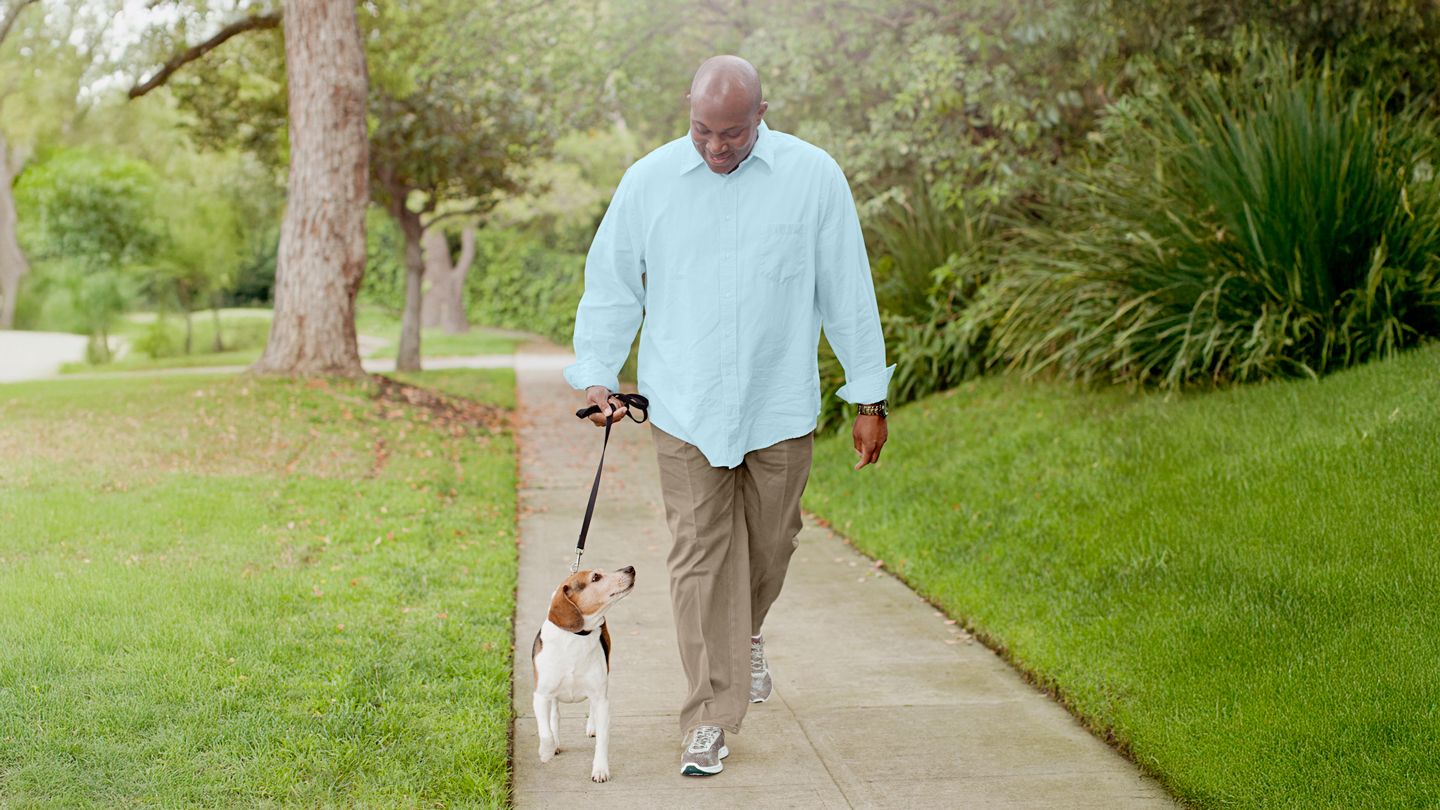
Regular walking is ideal, she says. If you have neurologic, muscular, and joint issues, working on flexibility and stretching is also helpful.
“Resistance and light weight training with more repetitions rounds out a safe and helpful exercise routine,” Sunkara says.
Workouts can take place in a rehab facility or at home, depending on the plan your healthcare team builds with you.
Check In Frequently
It is important to ensure your exercise is monitored and that you report any changes or complications to your healthcare team. ATTR-CM is chronic and progressive, so your capacity for safe activity can change.
Your tolerance and capacity for exercise may increase as you exercise more, Sunkara says. Small studies have shown that some medications, such as tafamidis (Vyndaqel, Vyndamax), may help boost or maintain exercise tolerance, especially if your exercise capacity is already low.
“Similarly, worsening in exercise capacity can be a signal to consider reevaluation of current therapies and alternatives to current treatments,” she says.
Some shortness of breath or a faster heart rate is expected when you exercise. But if you experience symptoms of a more serious condition, stop your exercise and call your doctor. These symptoms include:
- Chest discomfort
- Excessive shortness of breath
- Rapid heart rate that does not go away after 15 minutes of rest
- Dizziness
- Weakness
Read the full article here