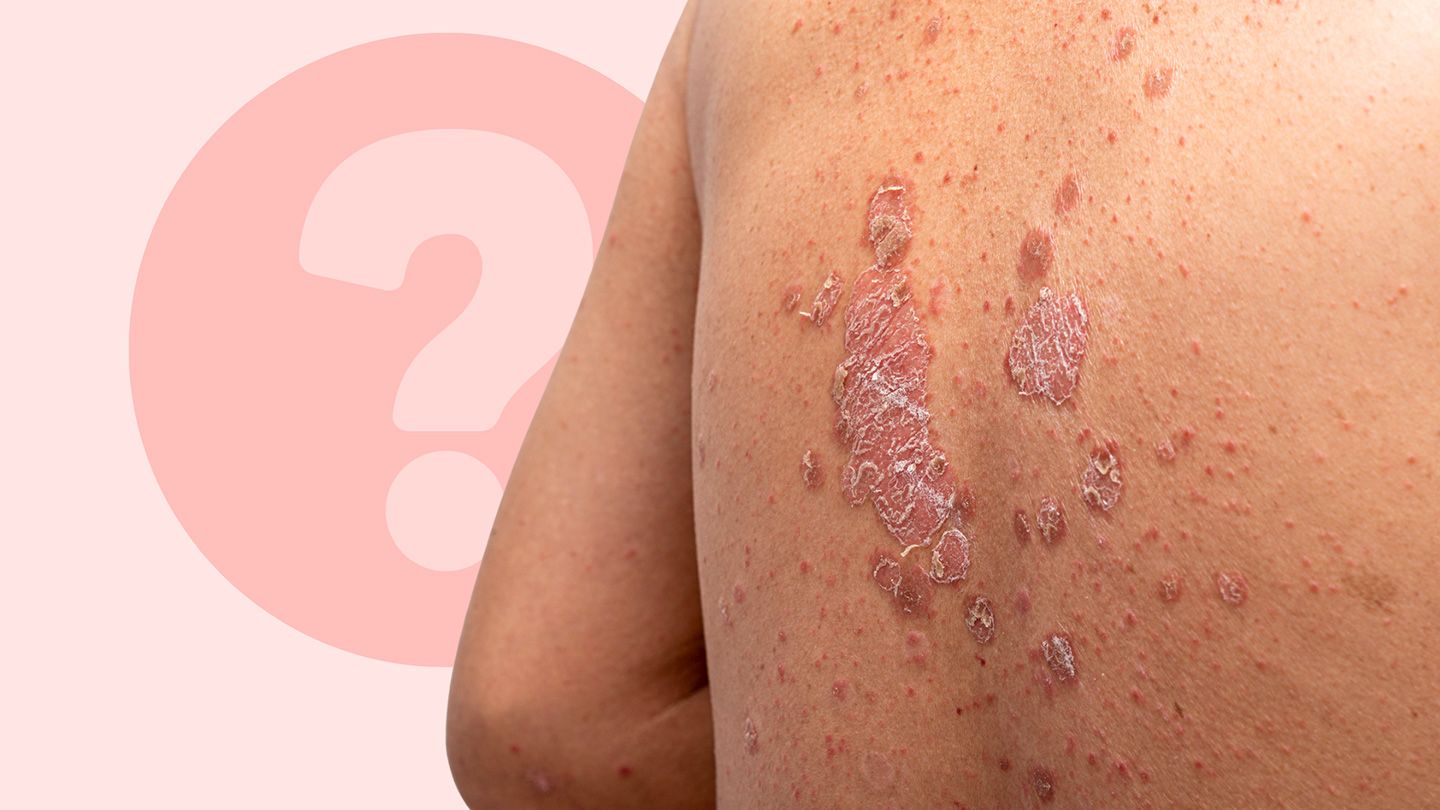
For people with psoriasis — a chronic skin disease in which skin cells build up, typically causing discolored, itchy or scaly patches — living with the condition itself is difficult enough. But on top of that, you might have to deal with other people’s misconceptions about psoriasis.
Here are a few myths about psoriasis, followed by the actual facts.
1. Myth: Psoriasis Is Contagious
“Psoriasis is not an infection and therefore cannot be spread to others,” says Lauren Taglia, MD, PhD, a dermatologist at Northwestern Medicine in Geneva, Illinois.
While psoriasis can resemble many common skin infections, it’s not caused by viruses, bacteria, or anything else that’s contagious. Instead, it’s an immune-mediated disease, which means a person’s immune system is responsible for the dysfunctional buildup of skin cells.
2. Myth: Psoriasis Is Just a Skin Condition
Psoriasis typically affects your skin first and most visibly, but it can have far-reaching effects in your body.
“Psoriasis is a systemic inflammatory disease that affects the entire body,” says Dr. Taglia. “Patients with psoriasis are at a higher risk for heart disease, stroke, and arthritis.”
In fact, about a third of people with psoriasis go on to develop psoriatic arthritis, which causes pain and stiffness in joints and other connective tissue. People with psoriasis are also at an increased risk for metabolic syndrome, anxiety and depression, inflammatory bowel disease, and many other health conditions.
The good news is that getting effective treatment for psoriasis reduces your risk of developing complications or related health conditions.
3. Myth: Psoriasis Is Caused by Poor Hygiene
“Psoriasis is not a condition caused by hygiene,” says Kimberly Katz, MD, a dermatologist at UW Medicine in Seattle. “Psoriasis is caused by dysregulation of a part of the immune system.”
At the same time, good hygiene practices are important when you have psoriasis. That means generally keeping the area clean and moisturized to minimize skin dryness and cracking and to reduce your risk of developing a skin infection.
4. Myth: Psoriasis Is Caused by Stress
While stress doesn’t cause psoriasis in the first place, it may contribute to flare-ups in people with the disease.
“Stress can affect many inflammatory skin diseases, including psoriasis,” says Dr. Katz. Unfortunately, psoriasis itself can be a significant source of stress for some people, potentially causing harmful interplay between physical and psychological symptoms.
It’s not easy or straightforward to reduce stress in your life, but many people find that practices like meditation, regular exercise, and social interaction can be helpful. And don’t hesitate to reach out for help when you need it.
5. Myth: Psoriasis Plaques Are Always Red or Pink
“Psoriasis is not always pink or red,” says Katz. “In people with melanin-rich skin, psoriasis can appear as darker, thickened papules or plaques without appreciable pink or red color.”
For people with darker skin tones, psoriasis may appear salmon colored, dark brown, or purple, and scales may appear grayish in color. Plaques may also be thicker or have more visible scaling.
Because of misconceptions about how psoriasis looks, the disease may go undiagnosed at a higher rate in people with darker skin. And even in people with diagnosed psoriasis, an active flare-up may be wrongly seen as postinflammatory hyperpigmentation (dark skin patches) from previous active disease.
6. Myth: Psoriasis Is Curable
“While psoriasis cannot be cured, it is treatable and manageable,” says Taglia. “As dermatologists, our goal is to determine the best personalized treatment plan for our patients.”
A variety of treatments may be effective for psoriasis, from topical ointments to oral and injected or infused drugs. Your treatment plan will be based on the type, location, and severity of your psoriasis, as well as any other health conditions you have and your response to current or previous treatments.
The goals of psoriasis treatment include relieving discomfort, clearing your psoriasis, and helping to prevent or treat complications like psoriatic arthritis. For some people, treatment is effective enough to keep them free of all psoriasis symptoms.
7. Myth: Children of Parents With Psoriasis Will Have It, Too
“Many genetic variants have been associated with psoriasis,” says Katz. “However, not everyone with psoriasis has a family history, nor will everyone with psoriasis be at risk of passing the condition to their children.”
Psoriasis does often run in families. Your risk of developing psoriasis is higher if you have one parent with the disease and even higher if both parents have psoriasis. If you have a family history of psoriasis and are concerned about your risk, it’s especially important not to smoke — tobacco use is known to increase the likelihood of developing psoriasis, as well as the severity of the disease.
The Takeaway
- Psoriasis is not contagious and is not caused by poor hygiene. It’s caused by dysregulation of a part of the immune system.
- Although it primarily affects the skin, psoriasis is a systemic inflammatory disease that affects the entire body.
- While there is no cure for psoriasis, it is highly manageable, with a variety of treatments.
Read the full article here