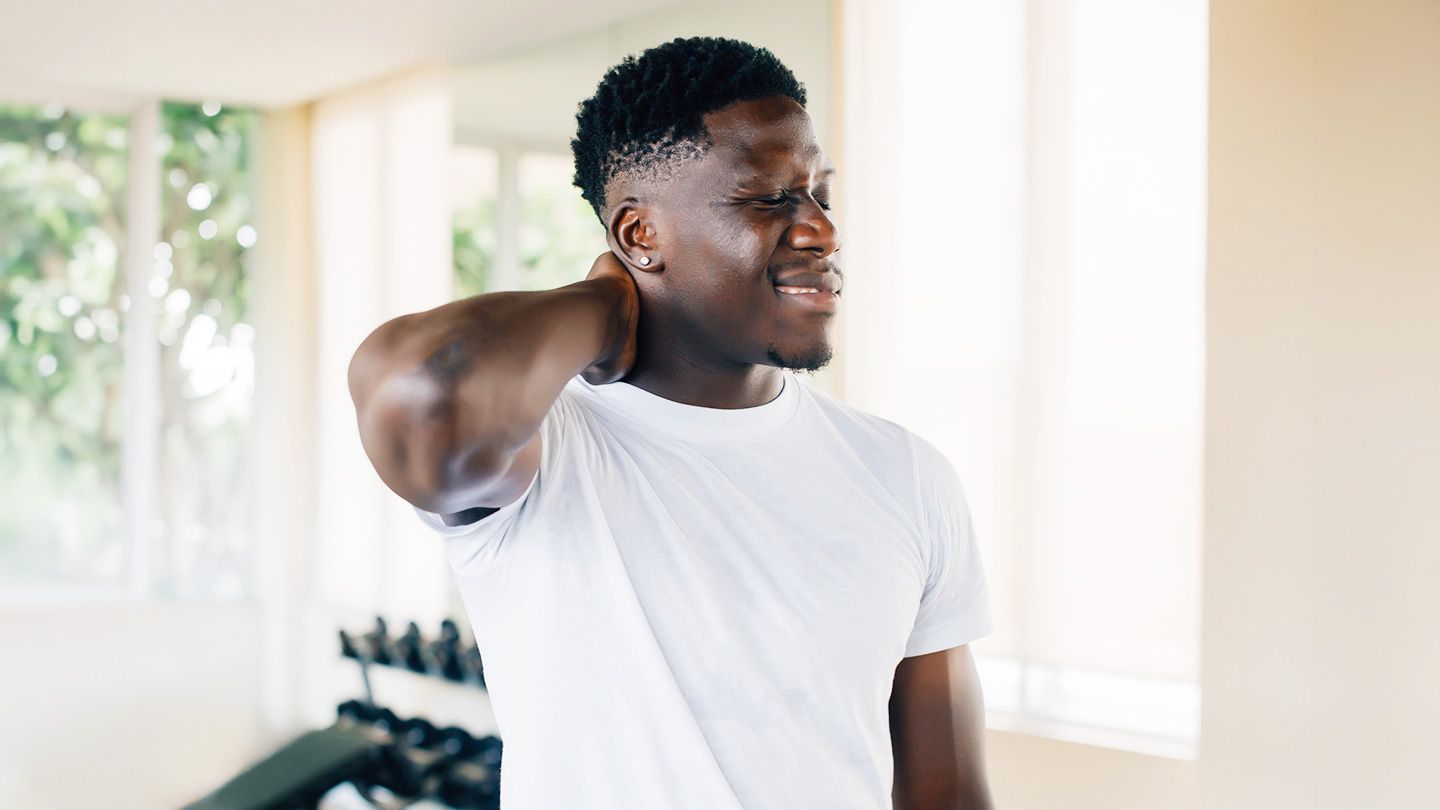
Feeling sick after a workout can be discouraging, but it’s not uncommon. Flu-like symptoms after exercising can be due to a number of factors like dehydration, low blood sugar, or overexertion.
Dehydration
Sweaty workouts can cause you to lose fluids and electrolytes. Cleveland Clinic notes that not replacing them can lead to symptoms of dehydration, like fatigue, muscle soreness, and nausea and vomiting..
Drinking plenty of fluids and making sure you are properly hydrated before intense exercise can help prevent symptoms of dehydration, according to a review published in 2023 in Sports Medicine.
Low Blood Sugar
According to a review published in Sports in 2019, not eating enough before exercise can lead to low blood sugar (hypoglycemia). Hypoglycemia can cause flu-like symptoms, like nausea, clamminess, or dizziness, notes the American Diabetes Association.
Eating a light snack before working out may help prevent symptoms of low blood sugar.
Working Out After Eating
Eating a large meal or a meal high in fat or fiber before exercising can increase abdominal discomfort, according to a review published in 2025 in World Journal of Gastroenterology. This can cause undigested food to stay in your stomach longer, leading to feelings of nausea. Researchers note that this is particularly true during high-intensity or endurance exercises.
Changing the timing of meals or eating lighter meals before exercising can help prevent unpleasant gastrointestinal symptoms.
Overexercising
Consistently pushing your body too far during workouts or exercising too often can cause flu-like symptoms, like persistent muscle soreness and fatigue, notes Cleveland Clinic. It can also lower your body’s ability to fight off colds and infections.
According to a review published in 2023 in Dietetics, prolonged, strenuous exercise can also lead to exercise-induced gastrointestinal syndrome (EIGS), which often causes nausea.
How to Prevent Flu-Like Symptoms After Exercising
If you experience flu-like symptoms after working out, here are some steps you can take to prevent them:
- Make sure to stay hydrated, especially when exercising.
- Try spacing out higher-intensity workouts to give your body time to recover.
- Eat a carbohydrate-rich snack to give your body energy before you hit the gym.
- Avoid heavy meals before exercising.
Read the full article here