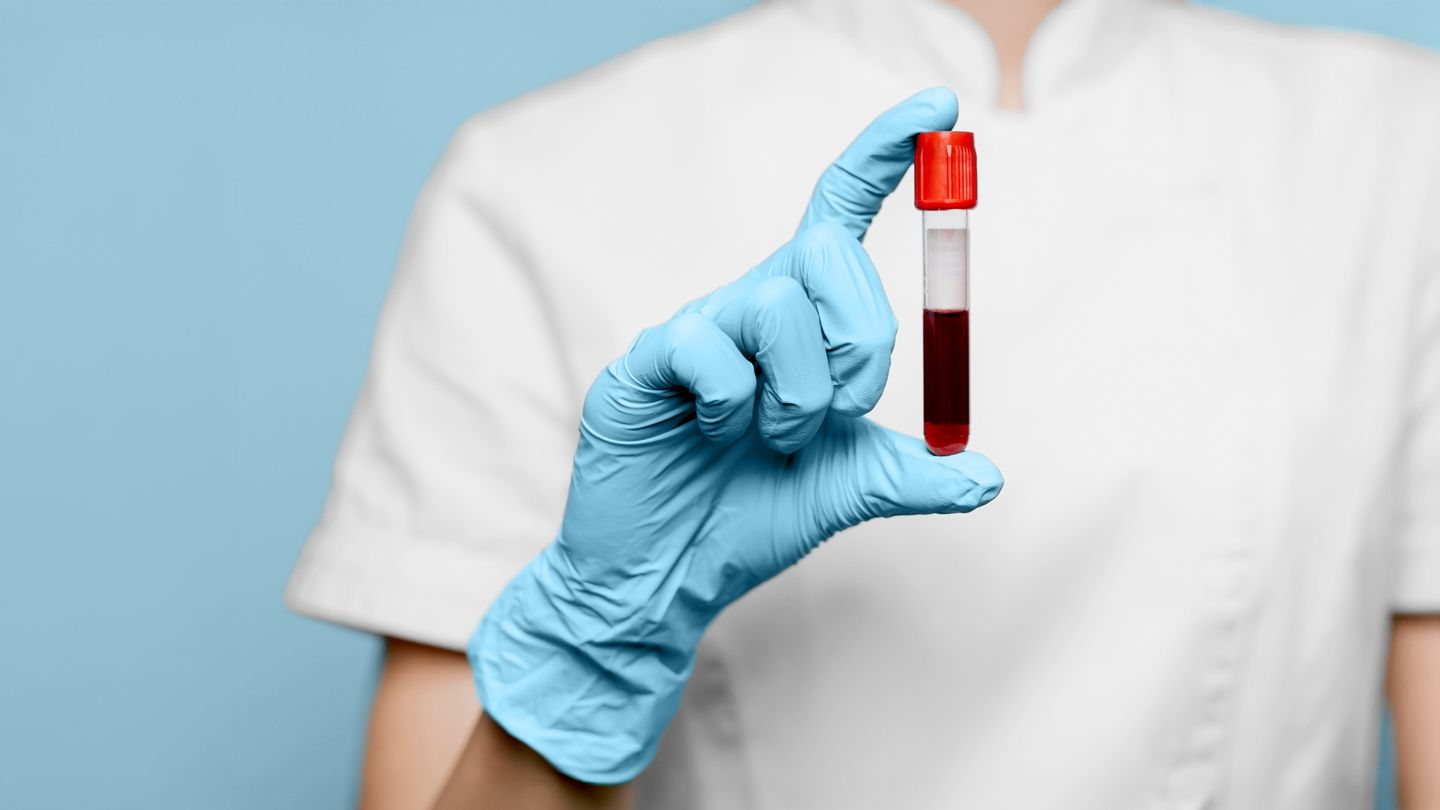
Blood tests are common procedures that healthcare providers use to diagnose certain health conditions and check the status of important measurements like your cholesterol levels or blood sugar. In most cases, you don’t need to do anything special to prepare for a blood test. But certain tests do require you to fast (or stop eating and drinking) before coming in for your appointment. This is so the results can be as accurate as possible.
How long you have to avoid eating before lab work will depend on the type of test you are getting. The average fasting time is usually between 8 and 12 hours, according to MedlinePlus. Here’s more info about which tests require you to fast and what foods and drinks you may want to avoid before your appointment.
Which Tests Require You to Fast?
You don’t need to fast for every single blood test you take. But if you’re getting certain tests, like a lipid panel or blood glucose test, you may need to avoid eating or drinking anything before going in for your appointment. Your healthcare provider should let you know whether you’ll need to fast.
1. Lipid Panel
The traditional lipid panel typically requires a 12-hour fast, which means you can’t consume any foods or drinks (with the exception of water) 12 hours before having your blood drawn, according to Cleveland Clinic.
This lipid panel is also known as a cholesterol test. Mayo Clinic explains that this test checks for blood levels of total cholesterol, triglycerides, and LDL and HDL cholesterol — commonly referred to as “bad” and “good” cholesterol, respectively.
2. Blood Glucose Test
A blood glucose (or blood sugar) test requires you to fast for at least eight hours, according to Cleveland Clinic. While you can’t eat any foods or other drinks, you are allowed to drink water. This test checks your blood sugar levels and screens for conditions like prediabetes and diabetes.
An oral glucose tolerance test also requires you to fast for eight hours before coming in for your appointment. This type of test is used for pregnant people to screen for gestational diabetes, a condition that causes elevated blood sugar levels during pregnancy, Mayo Clinic notes.
3. Additional Tests
While blood glucose and cholesterol tests are the most common exams that require you to fast, your healthcare provider may also order additional tests that have similar fasting requirements. MedlinePlus notes that tests like the basic metabolic panel (which measures chemicals in the blood), liver function tests, and renal (kidney) function tests may sometimes also require you to fast to get the most accurate results.
What Not to Eat or Drink Before a Test
It’s not just certain foods that affect blood test results. All foods will affect your nutrient levels, thereby altering the results of your fasting blood test. This means you’ll want to avoid all food and drinks other than water in the hours before your test. MedlinePlus notes that drinks to be avoided include:
- Juice
- Coffee
- Tea
- Soda
- Alcohol
- Flavored or carbonated water
Fasting this long might be challenging, especially if you’re used to eating smaller meals every few hours. This is why some people prefer to schedule blood tests earlier in the morning, so they can spend most of their fasting hours sleeping. If, however, your test is later in the day, consider eating a satiating meal before your fasting time begins. This may include lean proteins, healthy fats, and complex carbohydrates. (Think a turkey burger with avocado and lots of non-starchy veggies.)
Can You Take Medication Before a Fasting Blood Test?
Most of the time, it’s okay to take your usual medications before a blood test. But there are some medications that can alter the results of a test, like steroids, vitamins, or some supplements, according to University Hospitals.
To know which medications you can (and can’t) take before a blood test, check in with your healthcare provider. They can pull up which prescription medications you’re taking and let you know whether it’s safe to take them. You’ll also want to mention any supplements or over-the-counter medications you might be taking, so they can advise you on those, too.
And while this may sound like a lot of prep before a blood test, it’s worth noting that improper test preparation can alter your blood test results and may even lead to an incorrect diagnosis or unnecessary treatment. For the most accurate blood test results, make sure to follow your healthcare instructions.
Read the full article here