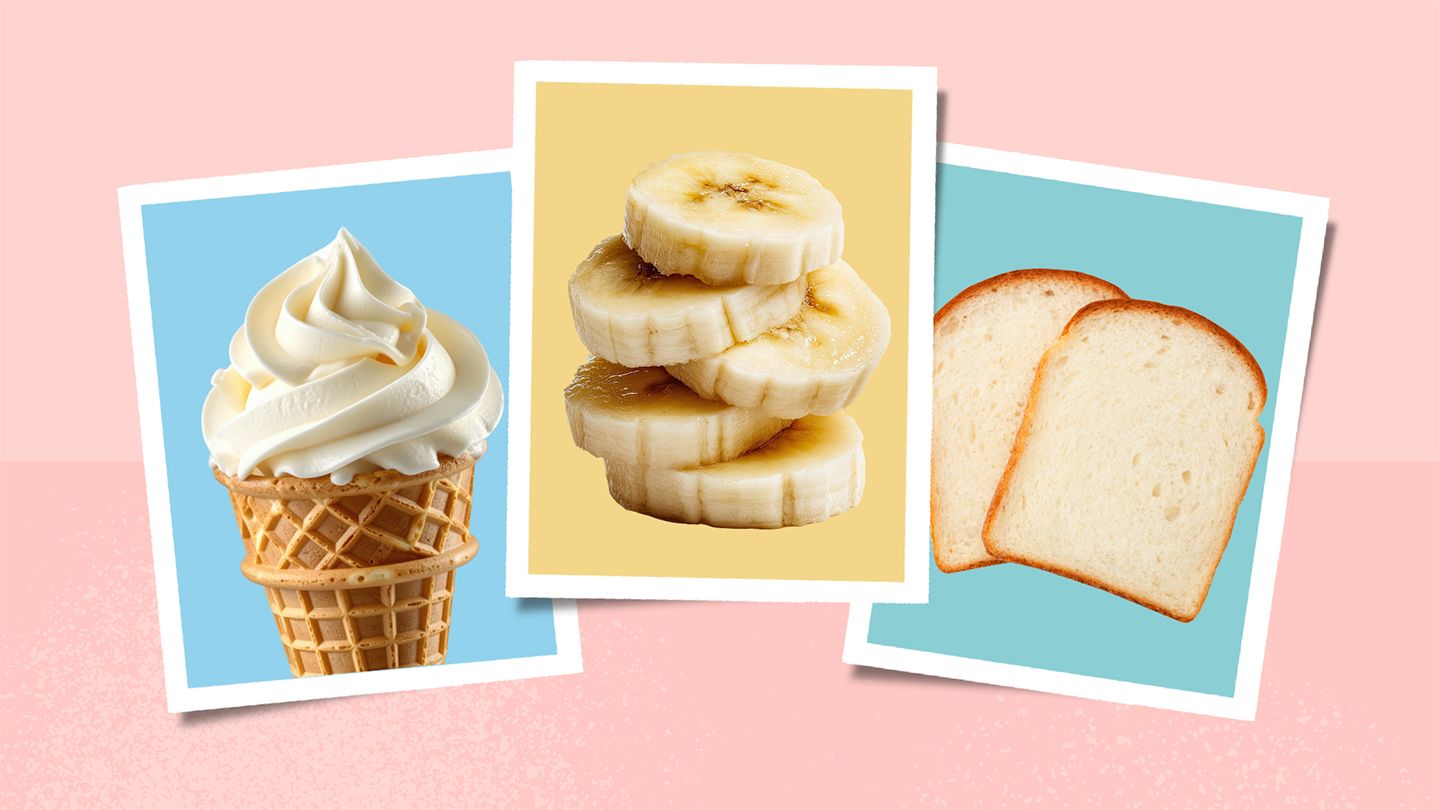
1. Dairy Products
Cheese, ice cream, and other dairy products have high calcium content, which carries high-binding properties and may lead to constipation in some people, says Christine Lee, MD, a gastroenterologist at Cleveland Clinic. “Dairy also lacks fiber, which potentiates its constipating power,” she says.
People with lactose intolerance are especially prone to experiencing diarrhea, gas and bloating, which, apart from being uncomfortable, are generally harmless.
Toddlers and children may also be especially sensitive to dairy, says Kelly Kennedy, RDN, a contributor to Everyday Health.
Kennedy also notes that, “on the opposite end of the spectrum, fermented dairy products such as yogurt or kefir can improve gut health and may decrease the likelihood of constipation.”
These types of fermented dairy products contain probiotics, or live microbes that can have a beneficial effect on our health, and on gut health in particular. Probiotics can help your body break down and absorb food more effectively, and many people take probiotics in some form to relieve constipation. You can find them in food or in supplements, and there are benefits to both.
2. Red Meat
Red meat is high in protein and often contains more fat than other types of meat, which can take a longer time to digest. “Additionally, red meat is devoid of fiber, the most important nutrient when it comes to constipation,” Kennedy says. “Eating red meat may take the place of a higher-fiber option such as legumes, further worsening constipation.”
Instead of adding more foods that cause constipation to your meal, make sure that your steak comes with plenty of fiber-rich foods, like a baked potato (with the skin) and a large salad for constipation relief.
According to the National Institutes of Health, similar to red meat, eggs, and chicken skin can also contribute to constipation, and for the same reason: their high protein content and lack of fiber.
3. Fried Foods
Greasy, fried foods, such as french fries, doughnuts, onion rings, and even heavily breaded foods like fish and poultry, take longer to digest than healthier options. “As a result, they can slow things down in your digestive tract, the exact opposite of what you want if you’re feeling constipated,” Kennedy says. Arielle Leben, RD, a registered dietitian at NYU Langone’s inflammatory bowel disease center, notes that in some people, greasy, fried foods will trigger more urgent, looser bowel movements. “For others who are eating fried, greasy foods in place of dietary fiber sources like fruits, vegetables and whole grains, it may lead to constipation due to inadequate fiber intake,” she says. “A fast-food meal typically consists of a protein and carbohydrate (burger and fries), which are not good sources of dietary fiber.”
Fried and processed foods may also be high in salt, which has also been linked with constipation. Not only does salt absorb water from stool, making its movement through the digestive tract more difficult, but such foods also tend to be low in fiber and water, according to a study published in the journal Nutrients in 2021. Some studies have also linked a diet high in salt to disruptions in the gut microbiome — the balance of healthy and harmful microbes in your gut — that may also contribute to constipation.
4. Processed Snacks and Desserts
Potato chips, pretzels, cookies, pastries, and other processed snack foods have high salt, processed sugar, and fat content, and are low in water content. “All these factors combined cause constipation,” Dr. Lee says. These snack foods are also often poor sources of dietary fiber. “If these foods are replacing fruits, vegetables, and whole grains in the diet, it may lead to constipation because of inadequate fiber intake,” Leben says. Lee recommends opting for foods that have high water content and natural sugars, such as:
- Watermelons
- Berries
- Kiwi
- Peaches
- Apples
- Oranges
If you can’t give up your savory snacks, Leben recommends looking at the grams of fiber in the products and the ingredient list when grocery shopping. “There are plenty of chips, crackers, and other snack foods on the market made from whole grains, vegetables, or legumes that are good sources of fiber,” she says.
5. Refined Carbs
Many pastries and highly processed snack foods also contain refined carbohydrates, which can have negative effects on digestion, Kennedy says. Other culprits in this category include white bread and white rice. “Refined carbs are stripped of their fiber during processing,” she says. “When you choose these foods, you’re missing an opportunity to add fiber to your diet, which can help alleviate constipation. Swapping those foods for whole-wheat bread and brown rice, for example, could go a long way to helping ease constipation.”
If you’re experiencing gastrointestinal symptoms, prebiotics and probiotics may help. Check out our list of the best prebiotics and probiotics, as recommended by experts.
Certain conditions relating to gluten, or proteins found in wheat, can mean that eating foods containing gluten can cause constipation. In particular, this is true of both celiac disease and gluten intolerance (also known as non-celiac gluten sensitivity, or simply gluten sensitivity).
Despite this shared symptom, the two conditions are very different. Celiac is an autoimmune disease in which eating gluten damages your small intestine, while gluten intolerance makes eating gluten potentially very uncomfortable, but not necessarily harmful.
Another related condition that is sometimes confused with these two, wheat allergy, is completely different. In people with wheat allergy, the immune system overreacts to wheat as if it were a threat, with potentially life-threatening results.
6. Frozen Dinners
Meals in a box may be convenient, but they rarely have the nutritional merits of a meal you prepare yourself, which puts them on the list of foods that can cause constipation. “Frozen dinners are generally high in salt, fat, and preservatives: three key items not good for the digestive system and known to cause havoc to the digestive tract,” Lee says. Leben notes that not all frozen foods are bad for health and digestion.
“Frozen fruits and vegetables can be convenient, cost-effective ways to boost fiber intake and help relieve constipation,” she says. “The nutritional quality of frozen foods varies, and label reading is essential. Look for meals that incorporate fiber from vegetables and whole grains while also limiting saturated fat.”
7. Bananas
Interestingly, bananas can either be a cause of constipation or a source of constipation relief, depending on their ripeness. “Bananas, when fully ripe, contain soluble fiber and thus can help treat constipation,” Lee says. “However, unripe, or green, bananas have high levels of resistant starch, which can be very binding and cause constipation.” Because of this, unripe bananas can be used to treat diarrhea, she notes.
8. Alcohol
When considering what foods make you constipated, remember that it might not be what you’re eating. Alcohol intake has not been directly linked with constipation, but it is linked with dehydration, which can contribute to constipation. For that reason, avoiding alcohol may be a way of obtaining relief from constipation.
The Takeaway
- Constipation is caused by lack of fiber.
- Certain foods can contribute to constipation, especially if you have food sensitivities.
- Because of their low nutritional value and high salt content, fried and processed foods can contribute to constipation.
Read the full article here