

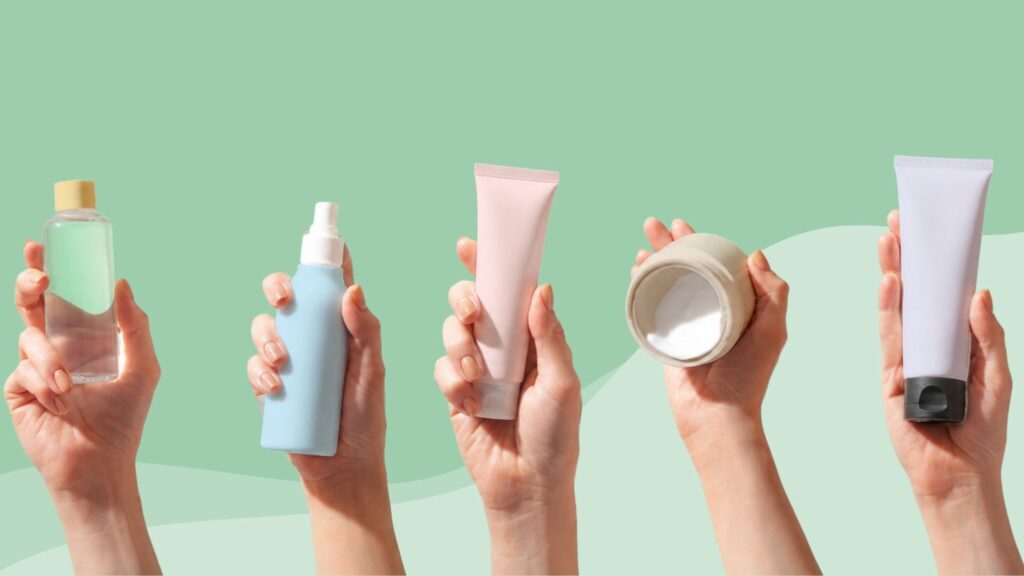
How to Build an Atopic Dermatitis Skin-Care Routine

Staff
By Staff
5 Min Read

Atopic dermatitis (AD), the most common form of eczema, can make building a skin-care routine feel like a moving target: What works well one week can suddenly backfire the next. “Although there are evidence-based recommendations for managing atopic dermatitis, every person’s skin is different, and individual triggers and product tolerability can vary,” says Marisa Garshick, MD, a dermatologist at MDCS Dermatology and assistant clinical professor of dermatology at NewYork-Presbyterian Weill Cornell Medical Center in New York City.

With countless skin-care products and trends to choose from, it can be hard to know what will actually help. Finding the best routine for your skin often takes some trial and error. “It may take some time to identify the right combination of gentle cleansers, moisturizers, prescription medications when needed, and lifestyle modifications that work best for you,” she says. “The goal is to create a simple, consistent routine that supports the skin barrier while minimizing irritation and helping to prevent flares.”

1. Simple Routines Often Work Best

Multistep routines packed with harsh or trending ingredients may promise dramatic results, but they’re unlikely to help you achieve calmer, clearer skin. Research suggests gentle bathing practices (such as no harsh exfoliants, scrubs, or perfumes) and moisturizing regularly are fundamental to managing atopic dermatitis.

“People with AD often have a compromised skin barrier, and introducing too many products at once increases the likelihood of irritation or allergic contact dermatitis,” says Dr. Garshick. “In general, it’s best to stick with a simple routine centered on gentle cleansing, regular moisturizing, sun protection, and prescribed treatments when needed.”

2. Fragrance Is Not Your Friend

Scented products may smell good, but using them can come with a cost. “Fragrance is one of the most common causes of skin irritation and allergic contact dermatitis, particularly in people with eczema-prone skin,” says Garshick.

Fragrances are a known atopic dermatitis trigger. “While not everyone with AD will react, choosing fragrance-free skin-care products is generally recommended to reduce the risk of triggering irritation or worsening inflammation,” she says.

Also be sure to avoid scented laundry detergent, fabric softener, and dryer sheets, as the fragrance can get onto your clothes and come in contact with your skin.

3. Patch-Test New Products First

It’s difficult to know how your skin will react to a new product without trying it on a small area first. Even products marketed for sensitive skin may not be a good fit for everyone with atopic dermatitis. “Testing a new product on a small patch of skin for several days before widespread use can help identify irritation or allergic reactions before they become more extensive,” says Garshick.

You can also check if a product is in the National Eczema Association’s (NEA) Eczema-Friendly Product Directory. It includes personal care, household, and over-the-counter products that are suitable for people with atopic dermatitis and others with sensitive skin. When shopping, look for products that have the NEA Seal of Acceptance.

4. Product Trends May Not Work for You

There’s always a new, exciting skin-care trend out there, promising healthier, glowing skin. But many viral products contain high concentrations of exfoliating acids, retinoids, or other active ingredients that may be too harsh for skin affected by atopic dermatitis.

“Rather than following trends, it’s better to choose products that have been shown to support the skin barrier and are appropriate for sensitive, eczema-prone skin,” she says.

5. ‘Natural’ Doesn’t Mean Better

Although it may seem counterintuitive, the word “natural” on a label isn’t a guarantee that the product will be gentle. “Natural ingredients are not automatically safer for people with AD,” says Garshick. “Essential oils, botanical extracts, and plant-based fragrances can still cause irritation or allergic reactions.”

Instead of focusing on whether a product is marketed as natural, look for one with a gentle formulation that supports the skin barrier.

Read the full article here

Share This Article
Leave a comment

Leave a Reply

Your email address will not be published. Required fields are marked *