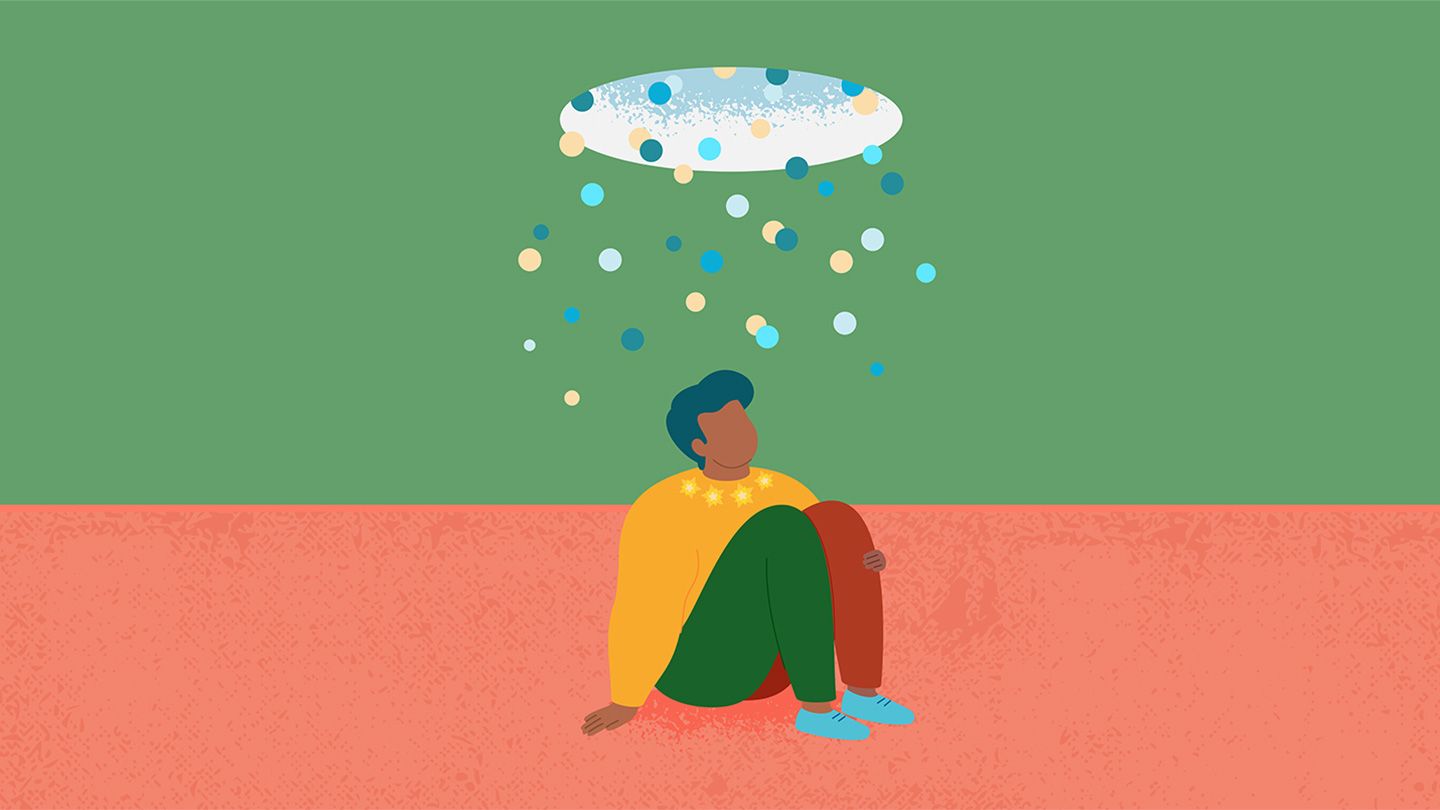
How to Keep Seasonal Depression in Check During the Holidays
If you have SAD, finding ways to manage it can feel overwhelming, especially when you’re already zapped of energy. Here are five ways to get started, according to experts.
1. Reach Out to a Mental Health Professional
“If you see a therapist or psychiatrist, or are interested in starting to, it is best to reach out and schedule appointments early,” says Allison Young, MD, a board-certified psychiatrist providing services via telehealth throughout New York and Florida and a medical reviewer for Everyday Health. Doctors are busy at this time of year too, she says. “If you know the holidays tend to be a hard time for your seasonal affective disorder, I would even be proactive and schedule times for the end of November and December in October.”
2. Consider Light Therapy
Light therapy — which involves sitting in front of a bright light box for 30 to 45 minutes each day to simulate additional sunlight during the darker winter months — has been used to treat SAD since the 1980s. In fact, many experts consider it a first-line treatment option for SAD.
It’s important to note, however, that although they’re usually safe and effective, many bright light boxes aren’t regulated by the U.S. Food and Drug Administration. If you think bright light therapy could be helpful for you, or if you need help finding a light box, ask your doctor or a mental health professional for recommendations.
Dr. Young also recommends taking advantage of natural light as much as possible. “Anecdotally, one thing I have seen helpful for many people is taking a walk break during the workday, when the sun is at its strongest,” she says. “Consider using 5 to 10 minutes of a lunch break to get outside and walk.”
3. Make Time for Wellness
Healthy habits like exercise, sufficient sleep, and good nutrition have been shown to help boost your mental health.
If you already include these in your treatment strategy for SAD, it’s important to avoid sacrificing your routine as you get busy, says Young. “Often, it is helpful to calendar your wellness activities, including the time you would like to get in bed, and remember that, when it comes to things like exercise, something is better than nothing.”
4. Set Boundaries
Although you may be tempted to put your needs aside for the sake of showing up to holiday events, it may backfire and actually worsen your symptoms. If you need to RSVP “no” to an event during the holiday season because you’re not feeling up to it, that’s okay, says Lira de la Rosa.
“Listen to what you may need day-to-day and know that you are taking care of yourself by honoring what you need,” he says.
5. Tell Loved Ones About What You’re Going Through
If you feel comfortable doing so, consider talking with trusted loved ones about why attending holiday gatherings while dealing with seasonal depression is challenging, suggests Lira de la Rosa. “Often, seeking out support from others can be very helpful and make you feel less alone,” he says.
You might find that some of your loved ones also struggle with depressive symptoms during the holidays, adds Lira de la Rosa.
The Takeaway
- The winter holidays can be especially tough for people with seasonal affective disorder, when depression symptoms brought on by less sunlight are compounded by social pressure to “make merry.”
- The first step is consulting a psychiatrist or psychologist, who can discuss medication or psychotherapy treatment options.
- You can help yourself by sticking to healthy habits like getting exercise, eating well, and making sure you get enough sleep.
- It’s also important to be open with friends and family about your struggles and to set boundaries.
Read the full article here