Many people with type 1 diabetes feel pressure to switch to a rigorous diet to best manage their condition. Keeping your blood sugar in range after meals is one of the central challenges of life with diabetes, and it’s natural to think a strict eating plan is the best way to do it.
No matter which diet you decide to try, Hayley Miller, MD, the medical director at Mountain States Diabetes in Missoula, Montana, who was diagnosed with type 1 diabetes as a child, cautions against extreme versions of any eating plan.
“People are so desperate to improve their blood sugar, but the most important thing in any diet is that it’s something you can actually follow [in the] long term,” she says.
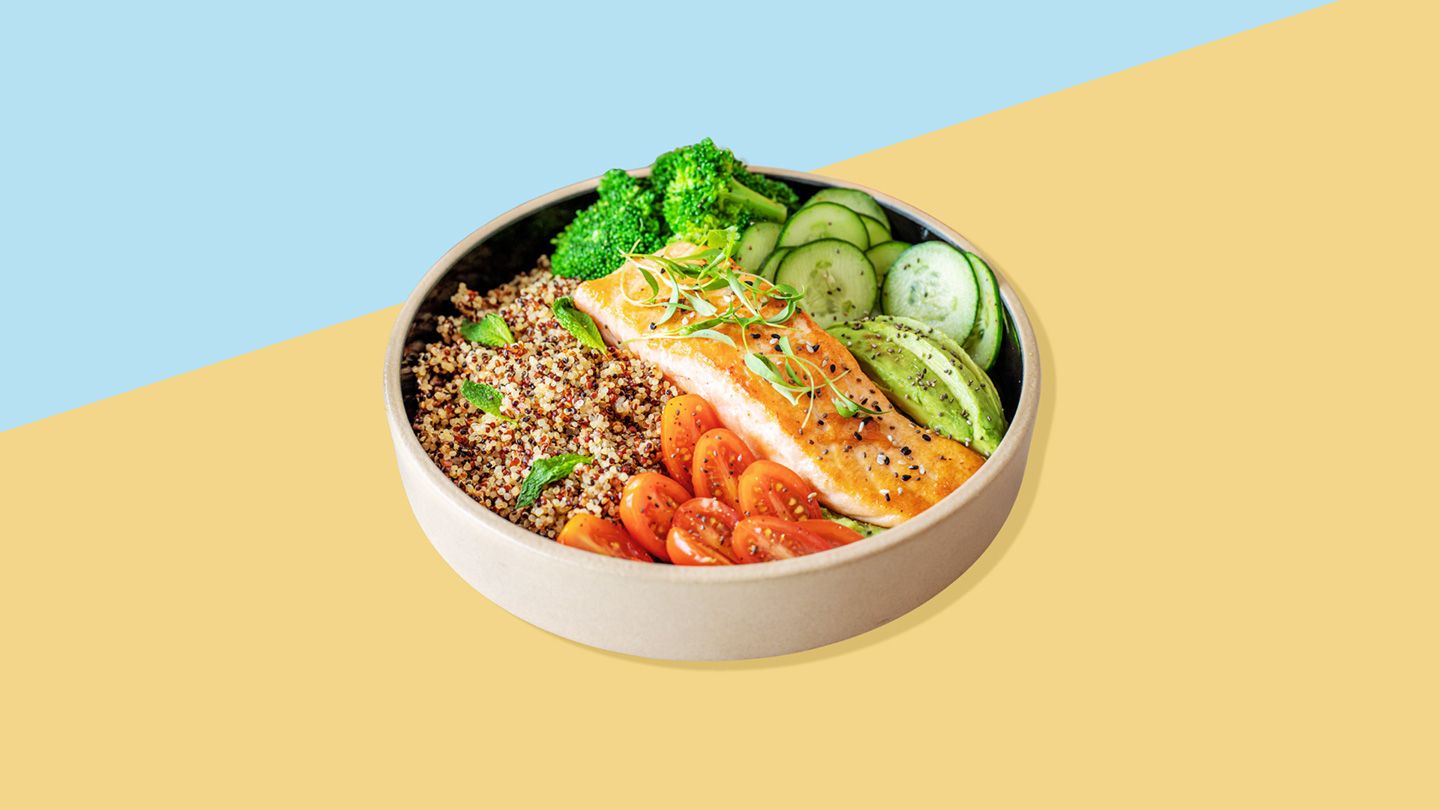
Instead of choosing a trendy diet, concentrate on the fundamentals of healthy eating that can be applied to any diet. Both the ADA and Dr. Miller recommend adhering to the following universal principles:
- Focus on nonstarchy vegetables and lean proteins, like chicken, turkey, and fish
- Choose high-quality carbohydrates, like whole grains, legumes, fruit, and low-fat dairy
- Reduce added sugars and refined grains, like white flour
- Choose minimally processed whole foods and ingredients
- Limit saturated fat, added sodium, and sugar-sweetened beverages
- Prioritize dietary fiber and nutrient-dense whole foods
Miller suggests using a continuous glucose monitor (CGM) to see what happens to your blood sugar when you consume certain foods. “CGMs can really help anyone see the impact of specific foods versus just being told by your doctor what you should or shouldn’t eat,” she says.
Miller also points out how much easier it is to overeat highly processed foods than whole food choices. “[Processed] food is engineered to be this way. These food products break down faster, they’re easier to chew, they’re easier to swallow, and they don’t fill you up the same way whole foods do, so you don’t get the normal signals of satiety,” she says.
“All three of these diets really echo the same message: More real food, less processed junk,” says José.
Guidelines for these diets all encourage the consumption of:
- Fruits and vegetables (aim for four to five servings of each per day)
- Whole grains, like brown rice, oats, and quinoa
- Low-fat or fat-free dairy, like milk, yogurt, and cheese
- Lean proteins, like poultry, fish, beans, and lentils
- Healthy fats, like olive oil, avocado, nuts, and seeds
- Unsweetened beverages, like water, seltzer, and tea, with artificially sweetened products in moderation
These diets also encourage you to eat less:
- Processed foods high in sodium
- Sugary sweets and sweetened beverages
- Red and processed meats
- Full-fat dairy and foods high in saturated fat
By following these dietary guidelines, people with type 1 diabetes can not only manage their condition successfully but also protect their overall health.
“Heart disease is the number one killer of people with diabetes,” says José. “It’s very important to keep your blood pressure in check, which makes the DASH diet very applicable to people with diabetes.”
Miller adds that any diet can and should include flexibility for treats and splurges, too.
“If we put a food completely off-limits, it creates an all-or-nothing approach that demands impossible perfection,” she says. “If you can’t be perfect, then you might give up completely. It doesn’t need to be this black and white. We simply need to look at what happens when we consume certain foods, how they affect blood sugar levels, and be more thoughtful around foods that have a bigger impact.”
Read the full article here