


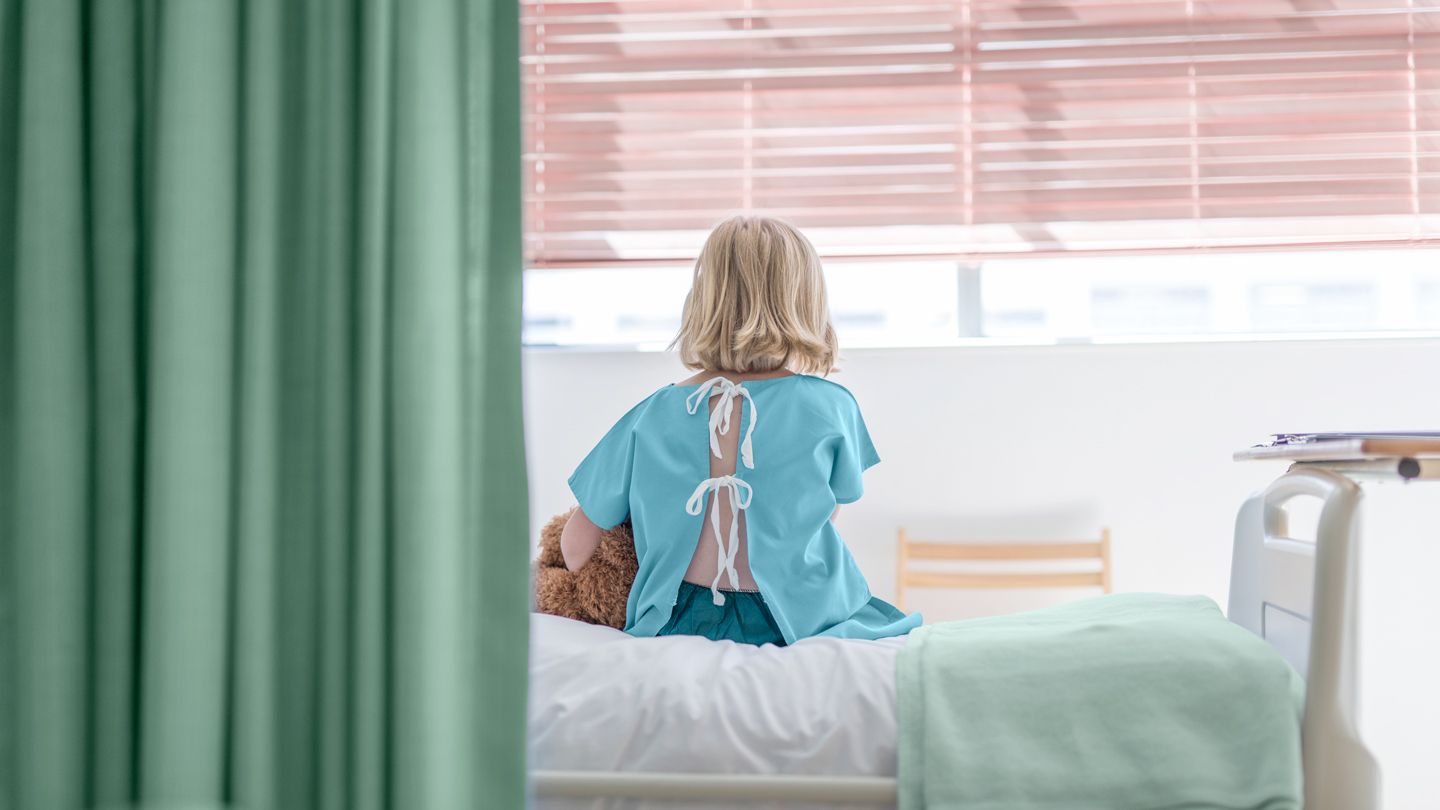
When you’re preparing to take your child to the hospital for pediatric low-grade glioma (pLGG) treatment, it’s completely normal if you, your child, and the rest of your family experience a range of emotions. Most of the time, a hospital stay comes soon after a pLGG diagnosis. It may involve surgery for a biopsy or tumor resection, followed by discussions about the results and several appointments with different specialists. You may not know exactly how long you’ll be staying or what will happen next, especially if unexpected developments come up. After the initial hospital stay, most pLGG treatment continues in an outpatient setting, but, “That first visit can be kind of overwhelming,” says Emily Hanzlik, MD , a pediatric neuro-oncologist at St. Jude Children’s Research Hospital in Memphis, Tennessee. “There are a lot of questions and uncertainties, as families are hearing about the diagnosis and what’s next for the first time.” You will need to take in a lot of information and work with your child’s healthcare team on a treatment plan, which is also challenging. “Even without a hospitalization, just making these complex medical decisions is really stressful for parents,” says Erica Sirrine, PhD, LCSW , director of social work at St. Jude Children’s Research Hospital. Add in time away from work and school, and it can make for a tough experience. But there’s a lot you can do before and throughout your child’s stay to help make things easier for everyone, including yourself.
Set Yourselves Up for a Successful Stay Strategies for a Successful Stay Once you get to the hospital, you’ll be thrown into a lot of activity very fast. These tips can help you stay calm and focused: Ask if care can be bundled. When you get to the hospital, ask if you can bundle care. “That way, when possible, certain tasks are completed at one time, rather than having more frequent interruptions,” says Sirrine. This is especially helpful if your child is getting care during the night that’s going to affect their sleep. Know you’re in for packed days. You may have fewer or more appointments on certain days during your stay, but each day is likely to be intense. “Be prepared for some long days and a lot of evaluations,” says Hanzlik. Lean on all the support available. Depending on what you and your child need, utilize the many options available for help. “Many hospitals have social workers, child life specialists, therapists, music therapists, chaplains, and psychologists” who can offer support throughout your stay, says Sirrine. Write questions down in your notebook. It’s hard to remember things when you’re stressed and trying to retain a lot of new information. Whenever you have a question, write it down. “You can even ask the medical providers, ‘Hey, you just said a word. Can you write it here in my notebook for me?’” says Sirrine. Assign a point person for family updates. It can be overwhelming to get flooded by text messages from concerned family and friends. Sirrine suggests assigning one person to send out updates to others, whether it’s by text message or other means. Get involved in your child’s care. During inpatient rounds, the medical team will come together in your child’s hospital room to discuss the care plan, how treatment is going, and, eventually, when your child is expected to be discharged. “You know your child best,” says Sirrine. “It’s okay to speak up and advocate for your child, to ensure that they receive the best care possible.” For example, if constant visits with specialists are overwhelming you or your child, you can ask for a 30-minute break.
Pack Like a pLGG Pro Packing Tips As you get ready for your child’s hospital stay, you’ll want to pack as you would for any trip, along with some of the comforts of home. Packing for Your Child Bring the essentials, such as your child’s daily meds, health insurance cards, medical records, and toiletries. You’ll also want to pack “whatever will help your child feel a little bit more calm and in control,” says Hanzlik, “because they’re going to be doing a lot of things that they don’t have control over.” This may include:e60dc2a1-f33c-4a05-9b50-8e3e8e5976295bbec464-da54-47af-8c92-48c5d8768bc4 Their favorite blankets, pillows, and stuffies Entertainment, such as books, coloring books, or a tablet for children or a smartphone and laptop for teens Pictures of family, friends, or pets Loose-fitting clothes or comfy pajamas Footwear, such as slippers with rubber soles, along with flip-flops for use in the shower Their preferred water bottle and snacks Label everything with your child’s name, so it doesn’t get mixed up with the hospital’s belongings. Packing for Yourself You’ll want to bring things to help yourself get through the stay, as well. “To be able to be there and take care of your child, you also need to take care of yourself ,” says Hanzlik. Along with your own comfy clothes, daily medications, and toiletries, be sure to pack: Go-to daily items, such as your favorite coffee or tea, snacks, and water bottle Earplugs or an eye mask to help you sleep Phone and laptop chargers Any family medical leave paperwork the hospital can help you fill out for your job A notebook and pen to help keep track of healthcare providers’ names, information they share, and any questions you might have between rounds Again, make sure to label everything that’s yours, and leave high-value items like jewelry at home.
Know What to Expect Before Your Child Is Admitted What to Expect Before Admission “Sometimes the anxiety or fear can be increased if parents have not been provided a lot of information about what the hospitalization will entail and what to expect,” says Dr. Sirrine. “I always recommend parents speak with someone on their child’s care team to try to get more information about what to expect for this particular hospitalization they’re facing.” These tips can help you prepare: Be clear on what will happen during the stay. Ask about the daily routines, such as what times the doctors make rounds and where parents can sleep. Clarify who can visit and at what time, including age restrictions. Ask if the hospital has a child life specialist who can meet with you and your child to provide emotional and logistical support once you get there. Clarify the length of the stay. Hospital stays for pLGG tend to range from two to five days, depending on scheduling, according to Dr. Hanzlik. During that time, your child may meet with an oncologist and other specialists, such as an audiologist, ophthalmologist, physical therapist, or radiologist. Keep in mind that the timeline is just an estimate, and it could lengthen if complications arise or shorten if treatment begins sooner than expected. Explain the stay to your child in an age-appropriate way. Give your child the amount of detail you think they can handle, based on their age and maturity. Reach out to your child’s care team, including the child life specialist, for tips on what to say to your child or help explaining to their siblings what’s going on, Hanzlik notes. For adolescents, you can encourage them to ask questions themselves, too. Make arrangements for life back at home. Whether it’s a school carpool or childcare for your other children, a pet sitter, or additional concerns at home, lining up support can help you focus on what’s going on at the hospital. And be sure to give yourself a buffer. “Plan for three to five days longer than you think you’re going to be at the hospital,” says Sirrine.
The Takeaway It’s normal to feel overwhelmed and stressed when your child is in the hospital for pLGG treatment. Before the hospital stay, talk with your child’s care team about what to expect. Plan for the possibility that you may stay longer than initially anticipated, and pack accordingly. During the stay, focus on keeping yourself and your child comfortable, and don’t hesitate to ask questions or make requests to support your or your child’s needs.
Read the full article here


Leave a comment
