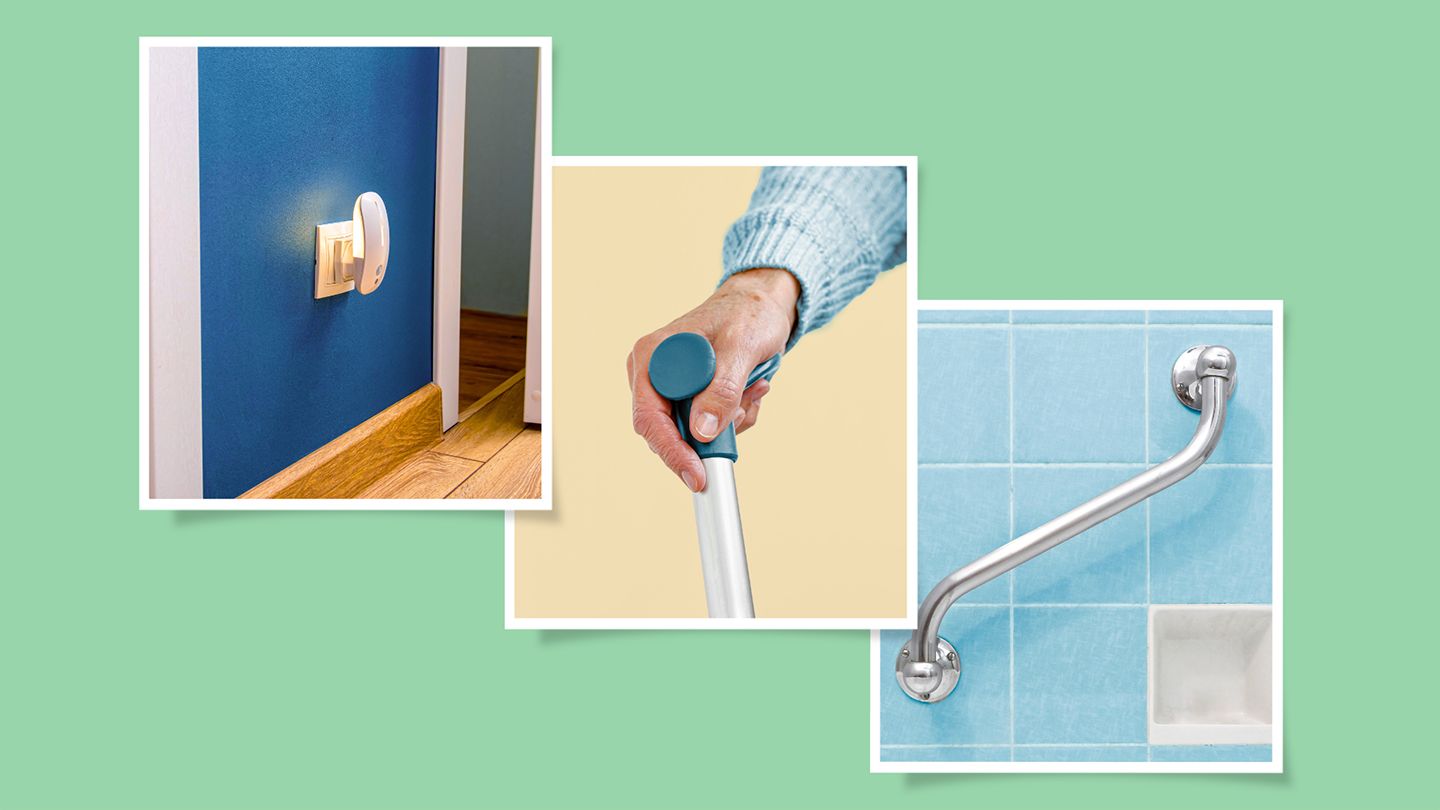
Physical therapy can help you stay safe from falls by teaching you personalized movement strategies, muscle-strengthening exercises, and how to use an assistive device like a walker.
Movement Cues
- Pick a new move. If you can’t step forward, try stepping to the side or raising your arm instead.
- Laser-point the way. A red dot on the floor in front of your foot can give your brain a movement goal.
- Imagine an obstacle. Picture a stick or cane on the ground in front of you and step over it.
You have a lot more to choose from, and your therapist can help you try them until you find one that works.
For example, you can also try shifting your weight back and forth before taking a step. Or you can hum a song and try to step forward with the beat.
LSVT BIG
Strengthening Exercises
Your physical therapist will also ask you to do exercises designed to target specific muscles. As you get stronger, you can improve your posture, balance, and gait (how you walk).
“The earlier you build strength, balance, and safe movement habits, the better,” says Shamim. “If you have not started exercising, the best time to start is now.”
Fall Recovery
If you fall, you haven’t failed. Your physical therapist can show you how to safely get back up after a fall and how to make your home as safe as possible.
Assistive Devices
“At some point, it becomes unsafe to walk without an assistive device like a cane or walker, so these should be used when the time comes,” says Liao. Our goal is to keep people mobile and physically active for as long as possible, but we want to also prioritize safety, Liao adds.
Read the full article here