Try these steps to maintain and increase mobility.
1. Physical or Occupational Therapy
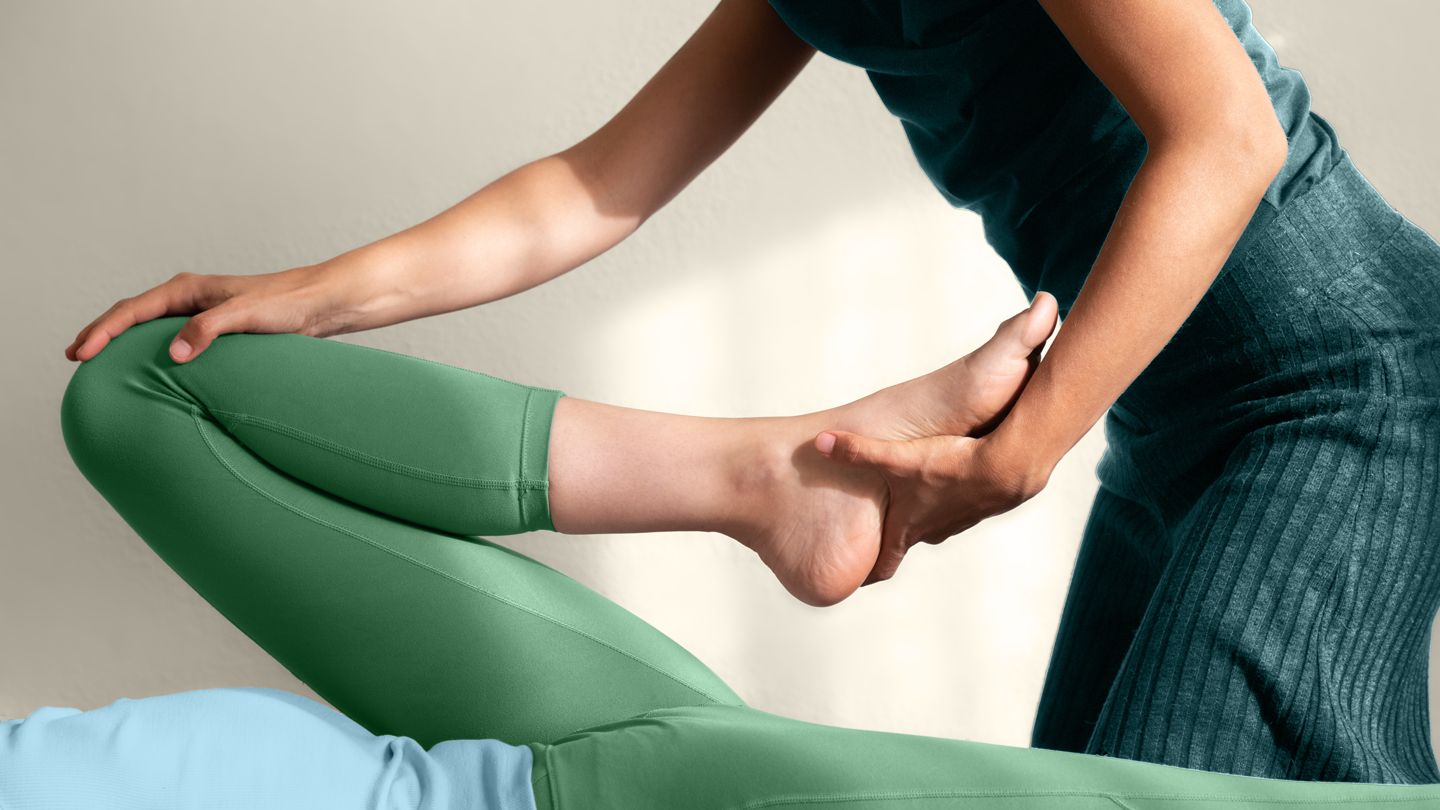
To help preserve flexibility and prevent permanent joint stiffness, your care team may prescribe physical therapy, occupational therapy, or both. According to Custodio, whether the impairment is in your “shoulders, hips, hands, or knees” will dictate which therapy you need.
A physical therapist focuses on mobility and safety; for instance, they can help minimize falls, which are a higher risk when skin thickening around the ankles and feet affects your balance, says Alousi.
An occupational therapist focuses on function and joint mobility. At MD Anderson, this may include specialized programs to reverse contractures with a specialized cast that holds the joint and stretches tissues, says Alousi.
Your medications can also play a role. Long-term or high-dose steroid use can weaken muscles, a condition called myopathy, explains Alousi. “Because steroids can cause muscle weakness, we often proactively refer patients on steroids to physical or occupational therapy to maintain strength and prevent significant myopathy,” he says.
2. Daily Gentle Movement
Stretching and range-of-motion exercises can help with mobility, but these movements need to be tailored to your exact needs. “People with GVHD need very special, individualized stretching to treat target areas,” says Alousi. “Stretching is very specific to where the scarring is and geared to where the limitations are.”
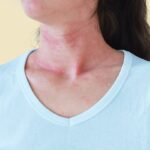
For example, someone with scarring in the chest wall or shoulders would need different stretching techniques than someone with profound manifestations in the hands or wrists, he says. Your best bet is working with a physical therapist rather than exercising on your own.
3. Medications
Immunosuppressive treatments prescribed by your transplant team can reduce inflammation and slow or prevent tissue damage. “Medicines like tacrolimus and belumosudil address the autoimmune effects of GVHD, and that in turn helps improve mobility or diminish the effects it can have on mobility,” says Custodio. “They can help with softening of the tight skin and loosening of the joints, and that should help improve pain, joint range of motion, and mobility.”
In addition, topical medications such as topical tacrolimus and steroids can further help preserve the integrity of the skin and allow for better range of motion and stretching, says Custodio.
Mobility limitations with GVHD are complex and affect everyone differently, so care needs to be personalized. Take time upfront to talk through your specific symptoms and challenges with your doctor, says Custodio. “Raising any concerns as early as possible to your oncologists or other providers — and getting it assessed and managed early — is going to give you the best chance to preserve and improve your function and mobility,” he says.
Read the full article here