- Alcohol
- Fatty meats or fish
- Pastries
- Nuts
- Sodas and fruit juices
- Bread, tortillas, and rice (even brown or whole-wheat options)
- Mashed potatoes
“The ‘avoids’ on the list can seem overwhelming,” says Simpson. “[But] our experience in the Lipid Clinic is that these diets are palatable, help with weight control, and can improve a sense of one’s well-being, as well as limit the complications of triglyceride associated syndromes.”
Even though an FCS diet means avoiding a lot of foods, your body still needs nutrients, and it’s important to plan your diet for optimal nutrition. Here’s how much of each food group to include in your FCS diet:
- Protein 10 to 35 percent
- Carbohydrates 45 to 60 percent
- Fat Between 2 and 15 percent
Even though you have to limit fat intake, you still need a small amount for your body to function well. To avoid spikes in triglyceride levels, try to spread out fat intake throughout the day.
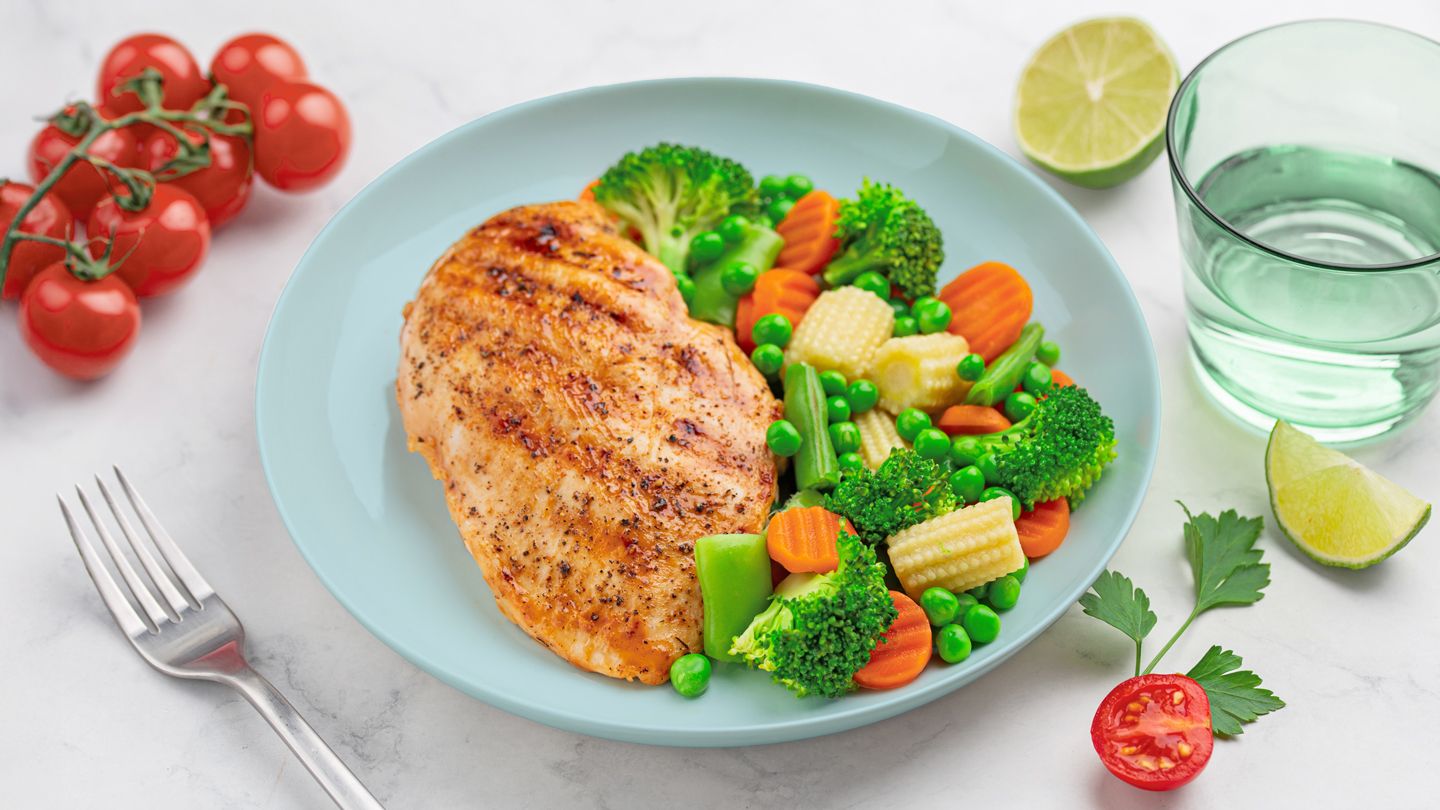
A sample plate for someone with FCS may look like a grilled tilapia filet, a ½ cup of seasoned black beans, and boiled broccoli. Fresh and frozen vegetables with no sauces, and dried or canned beans and legumes are ideal, says Simpson, who also recommends chicken without the skin and light canned tuna in water as some good meat options. “Limit servings of beef and choose no visible fat and lean cuts only,” he says.
Diet preferences vary substantially by cultural background, and some cultures have strong preferences for specific foods, so the foods above provide only general tips. “Culturally specific food guidance should be provided by a trained nutritionist,” says Simpson.
Read the full article here