Serious reputation aside, ovarian cancer also carries many misconceptions, says David A. Fishman, MD, a gynecologic oncologist and the director of the cancer center at NewYork-Presbyterian Weill Cornell Medicine in New York City. Understanding the truth and forgetting the falsehoods can help with prevention and treatment of ovarian cancer.
Dr. Fishman sifts through some of the myths regarding the disease, helping to distinguish fact from fiction.
Myth 1: Ovarian Cancer Does Not Cause Symptoms
The discomfort of ovarian cancer is real, not vague. However, it is possible to mistake ovarian cancer symptoms for unrelated issues. “Since your ovaries are surrounded by your bowels and colon, you may think you’re having digestive issues if, for instance, you’re experiencing pelvic pain,” Fishman says.
For this reason, he suggests always considering the possibility that the discomfort may originate from your ovaries. Any pelvic discomfort or pain that lasts for more than a few days should be evaluated, he says. “During an appointment with any healthcare provider — whether it’s your gynecologist or your [gastroenterologist] — make sure you ask to have your ovaries evaluated, too.”
Myth 2: It’s Impossible to Prevent Ovarian Cancer
Myth 3: There’s No Definitive Way to Screen for Early-Stage Ovarian Cancer
Actually, an ultrasound can pick up an ovarian mass quite well. The catch is that ultrasounds are not used as a routine screening tool because the disease is relatively rare and the tests are expensive. “Ultrasounds are the best imaging we have to evaluate the ovaries,” Fishman says. But in light of screening costs, insurance companies have yet to offer them as part of routine preventive care, he adds.
However, research supports that women at average risk of developing ovarian cancer may not necessarily benefit from routine ultrasound screening. Rather, the additional evaluating more likely leads to more testing — and in some cases, surgeries — but does not lower the number of deaths due to ovarian cancer.
Myth 4: Women With the Inherited BRCA1 or BRCA2 Mutation Have the Highest Ovarian Cancer Risk
Yes and no. The lifetime risk of receiving an ovarian cancer diagnosis is less than 2 percent for those who do not have a high-risk mutation. For women with the BRCA1 mutation, the average cumulative risk is 35 percent, and for women with BRCA 2, the risk is estimated to be between 10 to 30 percent.
But that’s not the whole story. Experts are learning more and more about inherited mutations as well as acquired mutations. “For example, you can be born without a mutation, but you can be exposed to environmental toxins that cause you to develop one,” says Fishman. “Ultimately, all cancers are due to genetics, but not all genetic mutations are inherited; some are acquired. It’s unique to you.”
Myth 5: The CA-125 Blood Test Is a Useful Blood Test for Detecting Ovarian Cancer
Not really. Doctors sometimes use this blood test, which measures the amount of a protein called CA-125 in the blood, as a first-pass screening to detect the potential presence of ovarian cancer. But it was never intended to be a diagnostic test, Fishman says. “There are many different types of ovarian cancer,” he says. “Some types don’t produce that protein. So its ability to detect early-stage ovarian cancer is less than 50 percent.”
It is useful, however, when tracking the status of disease in some people who have already been diagnosed. “That’s what it’s approved for,” says Fishman.
Myth 6: Ovarian Cancer Is All About the Ovaries
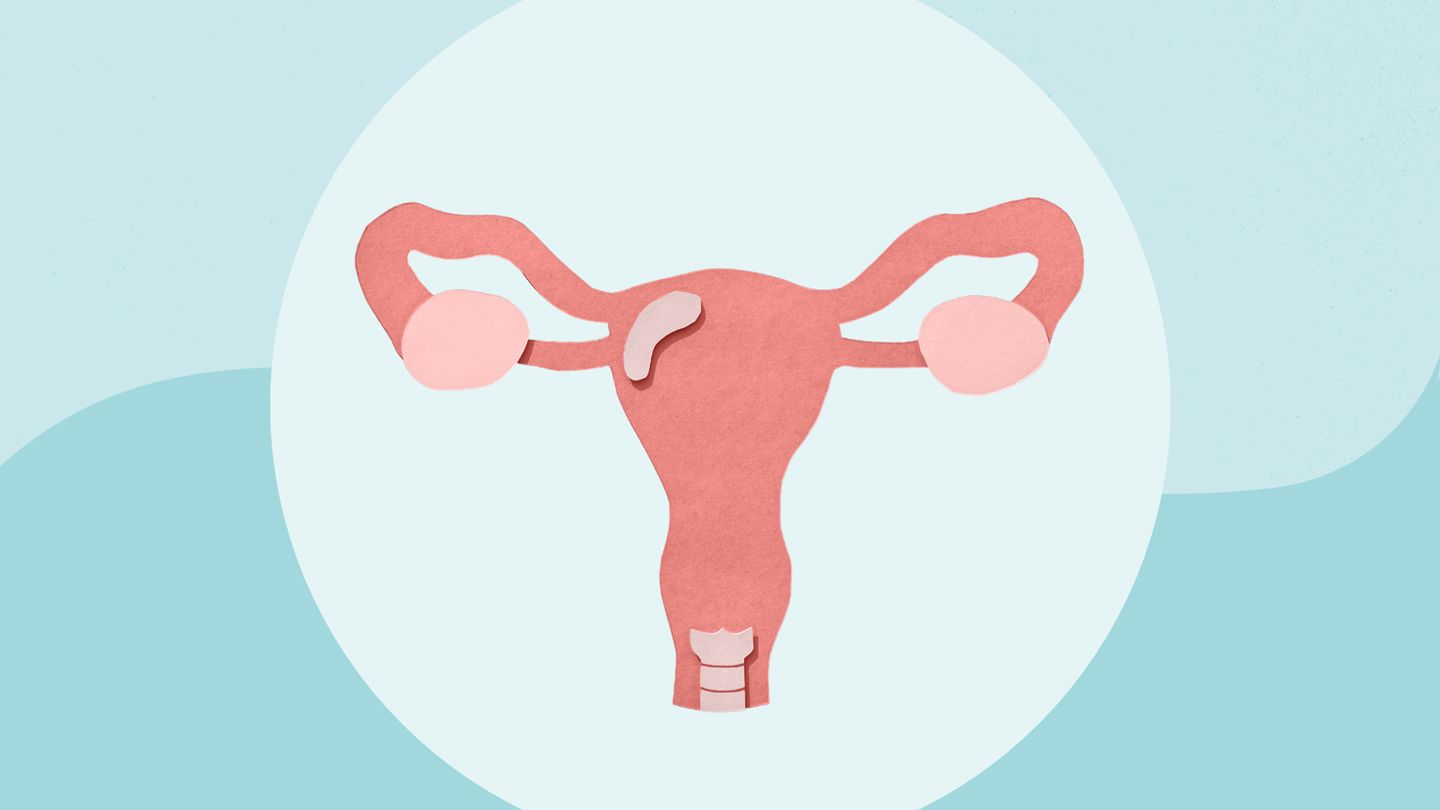
Not necessarily. Some strong theories suggest that ovarian cancers start in the fallopian tubes and spread to the ovaries, but the connection remains uncertain, says Fishman, who has studied whether detecting precancers in the fallopian tubes and treating them could deter ovarian cancer from developing.
The Takeaway
- Seemingly benign early symptoms, such as bloating and constipation, can be early markers of ovarian cancer, an often-misunderstood disease.
- Some ovarian cancer myths persist, including that ovarian cancer starts only in the ovaries (in fact, it may begin in the fallopian tubes) and there’s no way to reduce your risk of developing the disease.
- By being able to separate the myths from the facts about ovarian cancer, you can learn more about how to detect and treat the disease.
Read the full article here