Keep an Eye on Your Skin
Whether you’ve had a lumpectomy, a mastectomy, or even a biopsy, healing issues may arise, says Harold Brem, MD, a professor of surgery at Rutgers New Jersey Medical School and chief of the division of wound healing and regenerative medicine at Newark Beth Israel Medical Center in Newark, New Jersey.
This may be because you had radiation, you’re prone to infection, or have an antibody disorder you may not know you have.
Report any skin changes to your surgeon immediately. This includes pus coming out of the wound or an area that has taken on a black color, which could mean skin necrosis, or not enough blood supply to the wound.
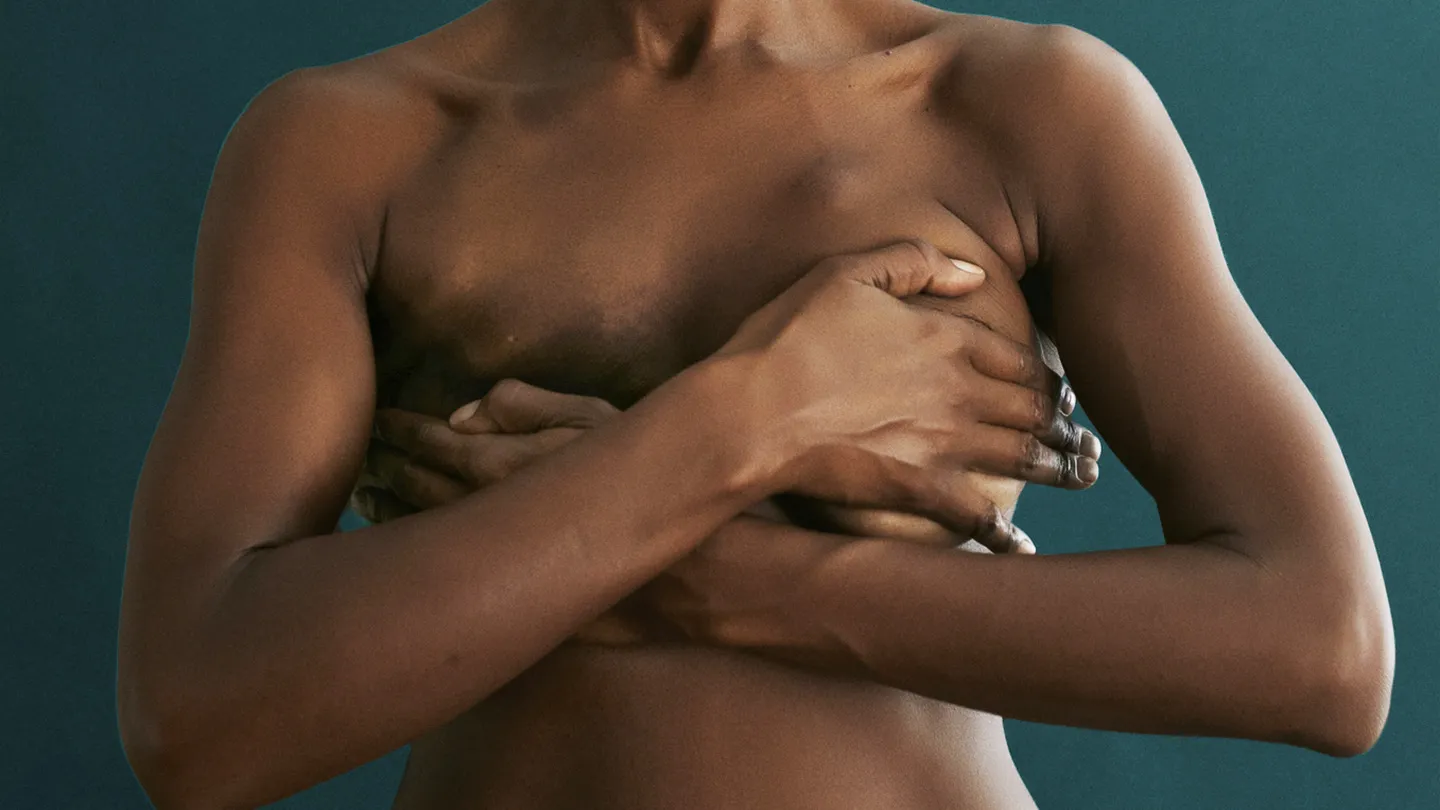
“With necrosis, you want to look out for skin tenderness that tends to be black or red, but in a person of dark skin that might look like a purple change in color,” Dr. Brem says. “Always compare these changes to the other breast.”
Act quickly. Be sure to send photos of the skin to your surgeon and, if necessary, book an appointment with them so they can see the area in question.
While breasts are “favorable” to good wound healing, Brem cautions that there can be issues related to the moisture that pools in the underside or lower part of the breast against the chest wall — which can lead to fungus.
“If you’ve been put on antibiotics after surgery, this can predispose you to antibiotic resistance,” he says.
Luckily, there are treatments that can assist with wound healing. Brem notes these include topicals such as MediHoney, a gel wound and burn dressing, and Iodosorb, an antimicrobial gel.
Other options include FlexHD Structural, a biologic derived from human tissue, and collagen treatments that support new blood vessel formation and the removal of damaged tissue from a wound.
There’s even the possibility of receiving allograft tissue, which is tissue transplanted from one person to another, to help you heal.
The quicker you report any wound issue, the better your results. This may mean you’ll need to consult with a specialist, depending on how complicated the issue is.
“You want to be sure to see someone who sees a lot of wound issues,” Brem says. “Most gifted plastic surgeons probably don’t see a lot of complicated wound healing issues, so you want to find the best person to help you — as fast as possible.”
Read the full article here