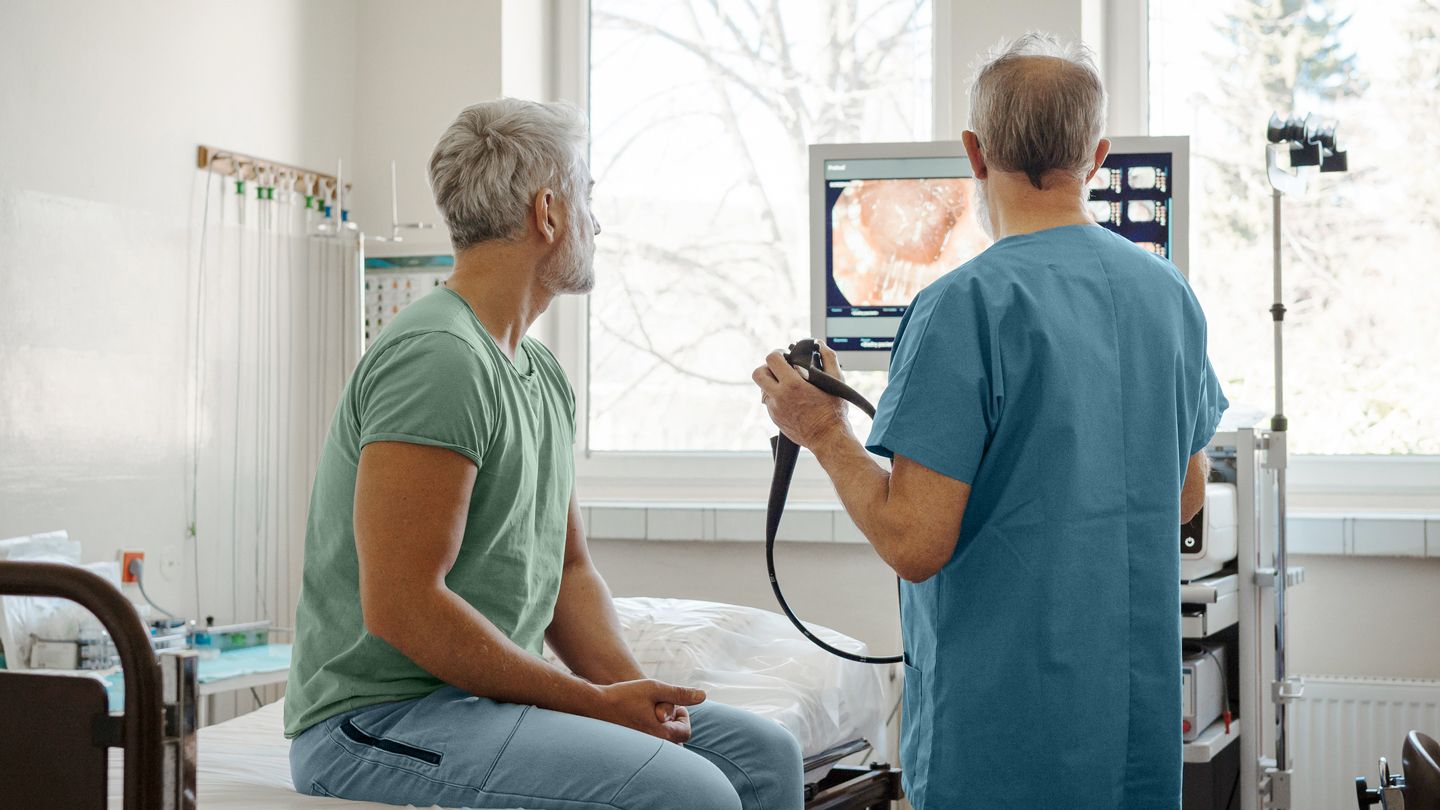
A structured follow-up plan is “absolutely critical” in managing Crohn’s disease post-op, Moss says.
A proactive plan should be built around early follow-up, preventive medication when appropriate, and scheduled monitoring instead of waiting for symptoms to return.
Think of the plan as an opportunity to get on the front foot of the disease the second time around, Boland says. “It’s easier to treat early on than later. It’s really a restart … and a chance to get better control over the disease.”
Another major concern is fragmented care, which a proactive plan can help you avoid, Moss says. “If there is no clear plan shared between the surgeon, gastroenterologist, and patient, warning signs are missed, important lifestyle factors are not addressed and the risk of needing another surgery increases,” he says.
Here’s what the first year should look like.
2-Week Post-Op Check This visit focuses on recovery, according to Boland. Your healthcare team will evaluate your:
- Wound healing
- Nutrition and hydration
- Early complications
It’s less about Crohn’s activity at this point and more about surgical recovery.
3-Month Fecal Calprotectin Test This is a stool test that measures levels of a certain protein that indicates intestinal inflammation. “Three months is a good time where we’ll actually start checking for inflammation in more objective ways, such as the fecal calprotectin test to see where we’re at post-operatively,” Boland says.
At this stage, it can:
- Detect early inflammation before symptoms
- Help identify patients at higher risk of recurrence
6-Month Colonoscopy This is a key milestone in the first year after surgery. Scheduling a colonoscopy at the six-month mark is a recommendation based on a landmark study known as the POCER trial, published in 2015, which showed that checking for inflammation at this time and adjusting treatment early if needed can significantly reduce the risk of recurrence.
A colonoscopy allows doctors to directly examine the anastomosis and identify any early signs of disease returning, long before symptoms appear.
Throughout the Year During the first year after surgery, you should have regular bloodwork and stool tests, Moss says, and you should discuss staying on medications you and your gastroenterologist have agreed on — with clear guidance about dose, timing, and what to do if you miss a dose.
Moss says you and your doctor should also talk about everyday habits to support your gut health and immune system, including:
- Avoiding smoking or vaping
- Limiting ultra-processed foods and heavy alcohol
- Prioritizing sleep and stress management
- Getting regular, moderate exercise
“I encourage patients to keep open communication with their care team about new symptoms, side effects, mood changes, or big life shifts like pregnancy plans or job changes, so we can adjust the plan before small issues become big setbacks,” he says.
Read the full article here