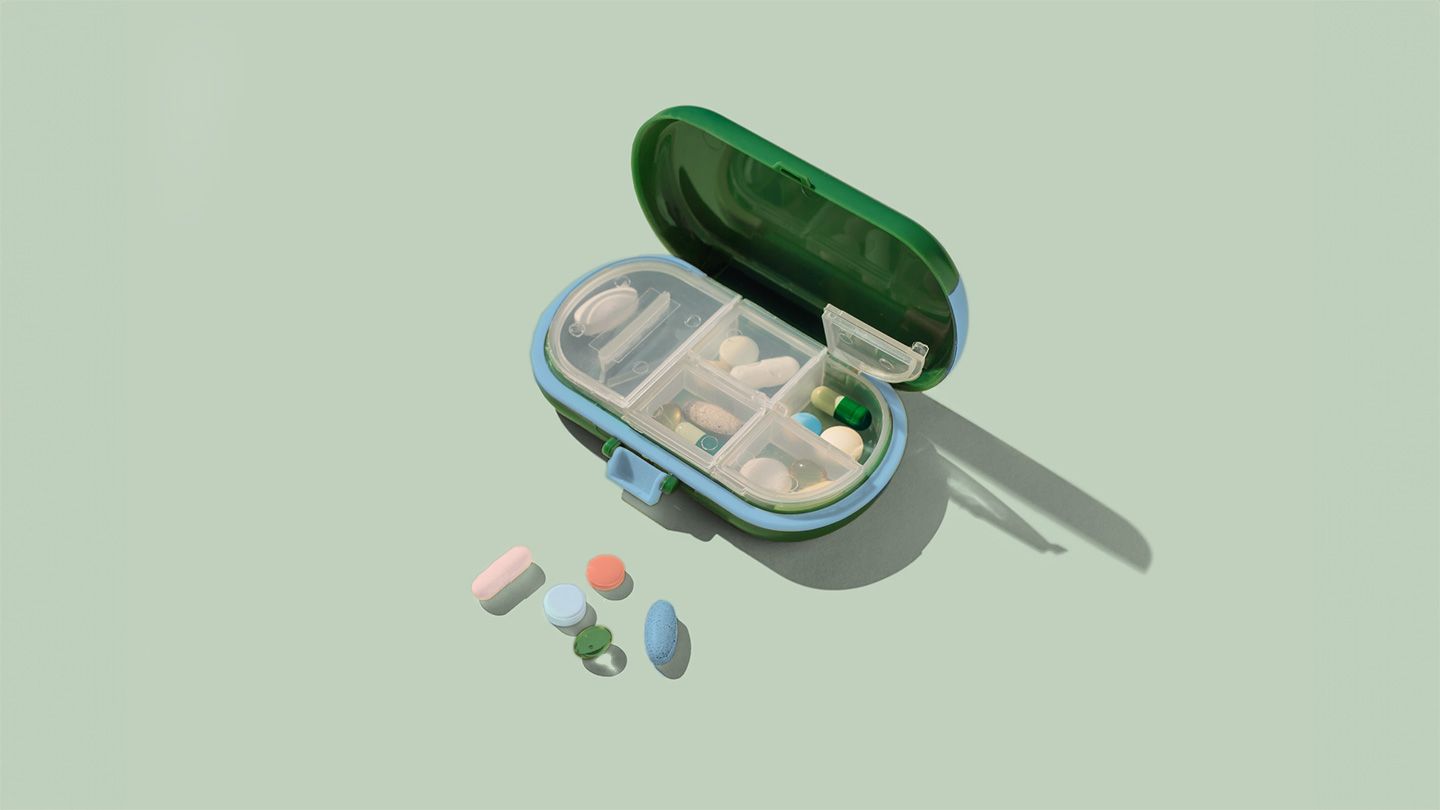
Your doctor may recommend you take supplements in addition to steps such as eating smaller, more frequent meals; limiting foods high in added sugar and saturated fats; and prioritizing protein.
“Supplement means ‘in addition to.’ These are meant to assist, not replace, nutrients in your diet,” says Warren.
The supplements your doctor or registered dietitian might recommend address common deficiencies, particularly those that may arise during weight loss. Talk to your healthcare practitioner for more guidance on exactly how much you need to take. If you’re worried about a deficiency, ask your provider about testing.
Vitamin B12
B12 is vital for blood and nerve cell health, and adequate intake prevents a form of anemia, which causes fatigue. “B12 is a common deficiency that we see in weight loss, so you want to make sure you’re getting enough every day,” says DeGore.
Vitamin D
DeGore says she recommends vitamin D, also known as the “sunshine vitamin,” to everyone, especially during the winter months, when there’s less sun exposure. Adequate vitamin D is important for strong bones and immune support, and a deficiency is commonly seen in people who are on a restrictive diet, she says. People who have obesity are also more likely to have a D deficiency than those at a healthy body weight. Taking a supplement may be helpful if your blood levels are lower than normal.
Probiotics
If you’re having gastrointestinal side effects due to the medication, probiotics may help repopulate your gut with good bacteria to ease symptoms, says DeGore. Ask your healthcare provider for their recommendations, but probiotics containing Bifidobacterium or Lactobacillus strains have been shown to improve stool frequency, which can be helpful if you’re struggling with constipation.
Multivitamin
A multivitamin won’t overcome poor dietary habits, but you can think of it as a security blanket, says Warren. Remember, though, that vitamins and minerals are more effectively absorbed through food than from a supplement, she adds.