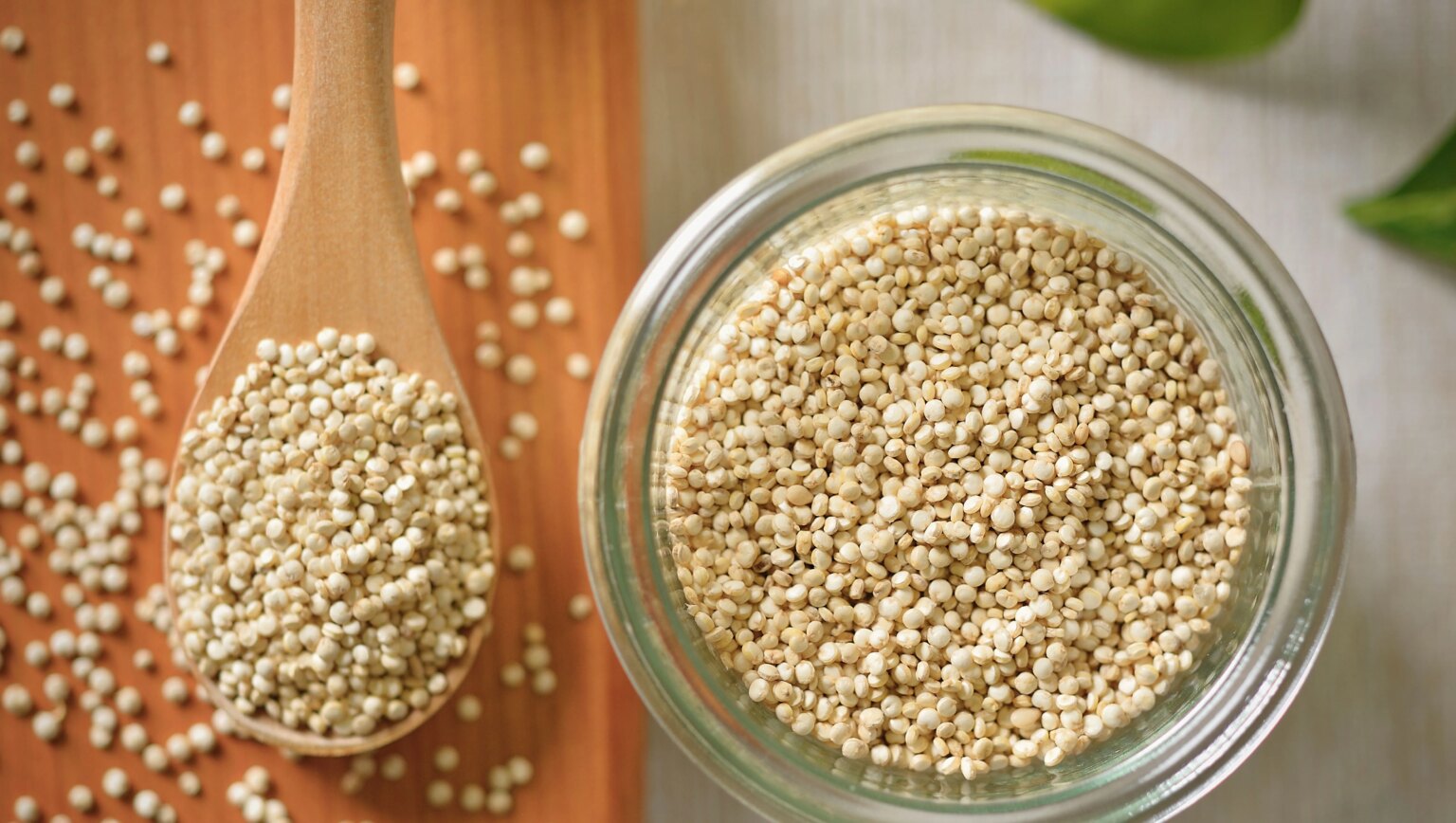
A popular alternative to rice, pasta, or couscous, quinoa is classified by the Whole Grains Council as a “pseudo grain” because it’s technically a seed, not an actual grain. Regardless of its official designation, quinoa’s nutritional benefits are comparable to those of a nutritious whole grain. And similar to other grains, Cleveland Clinic says it’s best to cook quinoa before you eat it.
How Healthy Is Quinoa?
According to the U.S. Department of Agriculture (USDA), a cup of cooked quinoa provides 7.45 grams (g) of protein. That’s more than the 6.3 g of protein you get in a large boiled egg, says the USDA. This makes quinoa a good breakfast choice for vegans and those who struggle to get a protein-rich diet.
Cooked quinoa is a useful source of important minerals. One cup of cooked quinoa contains 109 milligrams (mg) of magnesium, 291 mg of potassium, 2.52 mg of iron, and 1.85 mg of zinc.
For people who are intolerant to gluten, quinoa is an option that can be eaten safely, according to the National Celiac Association. However, the National Celiac Association also says it’s important to look for gluten-free labels on the packaging. That’s because even though quinoa is naturally gluten-free, there is a high likelihood of cross-contamination with gluten in the field, during transportation, or during processing.
When cooked, quinoa benefits from a light, nutty flavor and is very versatile. Recipes use quinoa salads, as a base for veggie burgers, and in soups, breads, cookies, and bars, notes Consumer Reports. You can use quinoa as a breakfast cereal in place of oats, too.
Can You Eat Raw Quinoa?
Technically, there is no official guidance on the safety of eating raw quinoa. However, while there are some who trumpet the benefits of raw grains, health experts urge caution (more on this below).
Many people eat raw quinoa in the form of sprouts, which contain about 6 g of protein, 4 g of fat, and 3 g of fiber in one serving of 51 g, according to the USDA. Eating these sprouts raw comes with some risk, however. According to Cleveland Clinic, the moist environment that grains sprout in can promote bacterial growth, leading to a risk of E. coli, salmonella, and other foodborne illnesses. You can enjoy sprouted quinoa more safely by first cooking it, says Cleveland Clinic, though this does remove some minerals and vitamins.
If you want to try raw quinoa, at the very least it’s good to rinse the seeds under running water before using to remove saponin, a natural coating, notes WH Foods. Removing the bitter-tasting saponin improves the flavor and texture and makes quinoa easier to digest.
In short, quinoa is a grain that really needs to be cooked to bring out the flavor and to make reaping quinoa benefits an enjoyable experience.
How to Cook Quinoa
The key to cooking quinoa is getting the right quinoa-to-water ratio. The Whole Grains Council says that the right amount is 1 cup of dry quinoa to 2 cups of water or broth. This makes 3 cups of cooked quinoa.
After rinsing the quinoa to remove the saponin, add it to a pot with the liquid, bring it to a boil, then turn the heat down and let it simmer for about 15 minutes until all the water is absorbed. According to Harvard T.H. Chan School of Public Health, you can tell when the quinoa is done because you’ll see a little white tail — the germ of the kernel — sticking out of each grain. After cooking, remove the pot from the heat and let it stand for five minutes, notes WH Foods. Fluff it with a fork and it’s ready for eating.
For variety, consider trying other types of quinoa. Harvard says white and yellow quinoa are good to try first because they have the mildest flavor. Red and black quinoa taste stronger and earthier, and tend to hold their shape better.
Read the full article here