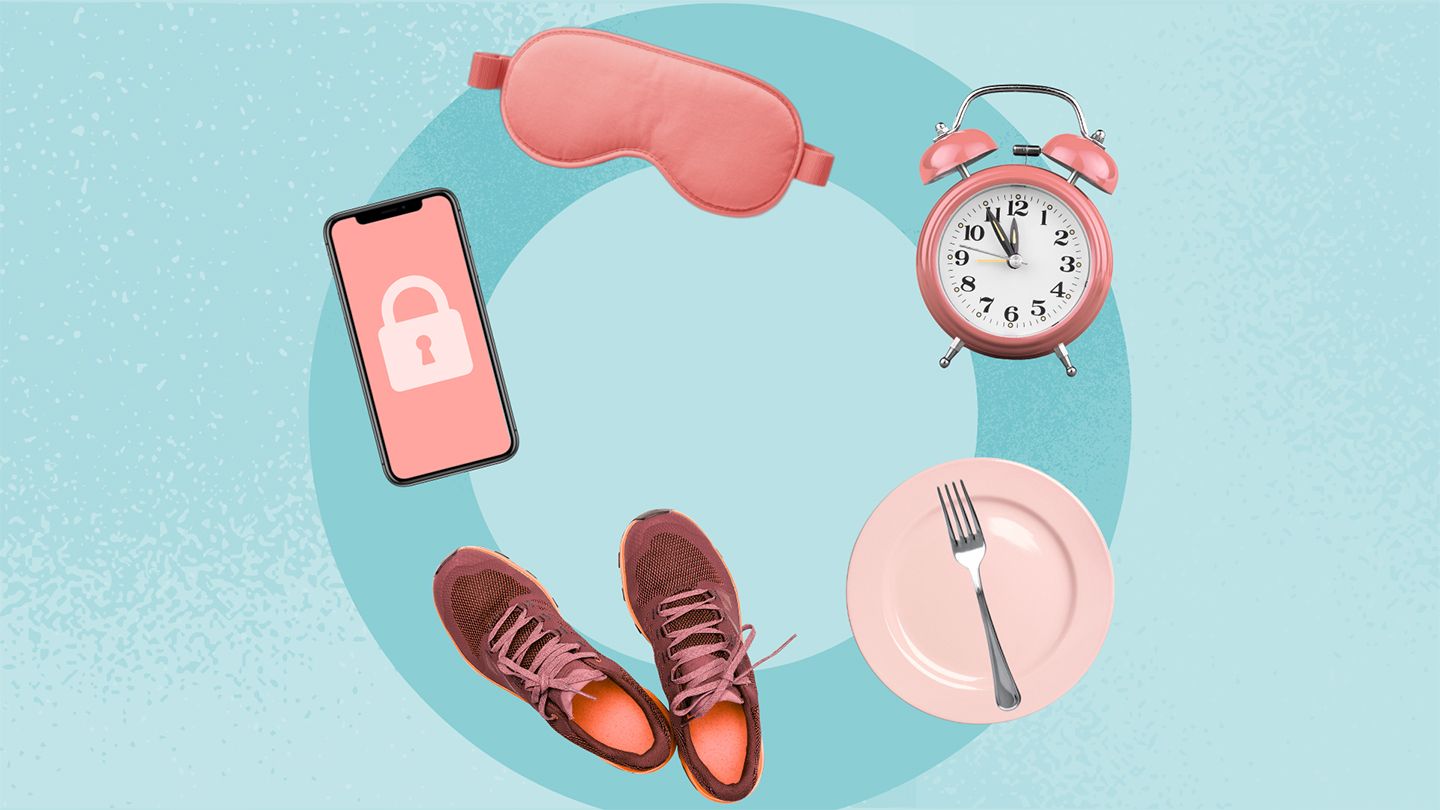
Developed by the psychologist Ellen Frank, PhD, at the University of Pittsburgh, IPSRT is based on her research into the way bipolar disorder can destabilize someone’s circadian rhythm, also known as the biological clock.
This rhythm is crucial for regulating physical and mental functions, including the sleep-wake cycle, stress response, energy levels, hormone release, appetite, and even body temperature. There are many ways to optimize this rhythm, including:
- Getting bright light in the morning
- Minimizing screen time in the evening
- Maintaining a regular bedtime and wake time
- Eating meals at consistent times
- Getting regular physical activity during the day but avoiding intense workouts near bedtime
- Limiting caffeine and alcohol
Dr. Frank found that strategies like these could make a significant difference for those with bipolar disorder, in whom circadian rhythm dysfunction is very common, particularly when in a manic or depressive state, but also when stable.
Research notes that biological rhythms are integral for mood regulation, and when they’re disrupted in bipolar disorder, it can lead to heightened suicide risk, impaired cognitive function, and increased relapse rates.
The circadian system dictates sleep-wake cycles, but also a whole host of hormonal, metabolic, and neurological processes that follow a certain rhythm over the course of the day and night — things like melatonin secretion, cortisol rhythms, body temperature, and dopamine sensitivity, explains Laura Gonzalez, MD, MPH, a psychiatrist with Orlando Health Medical Group Behavioral Health in Kissimmee, Florida.
“Because people with bipolar disorder have underlying neurobiological differences in how their circadian systems operate, they’re more vulnerable to small changes, which end up leading to big disruptions downstream when it comes to activity levels, sleep, and mood,” she says. “That’s why IPSRT’s focus on habits that support the circadian rhythm is so important.”
Read the full article here