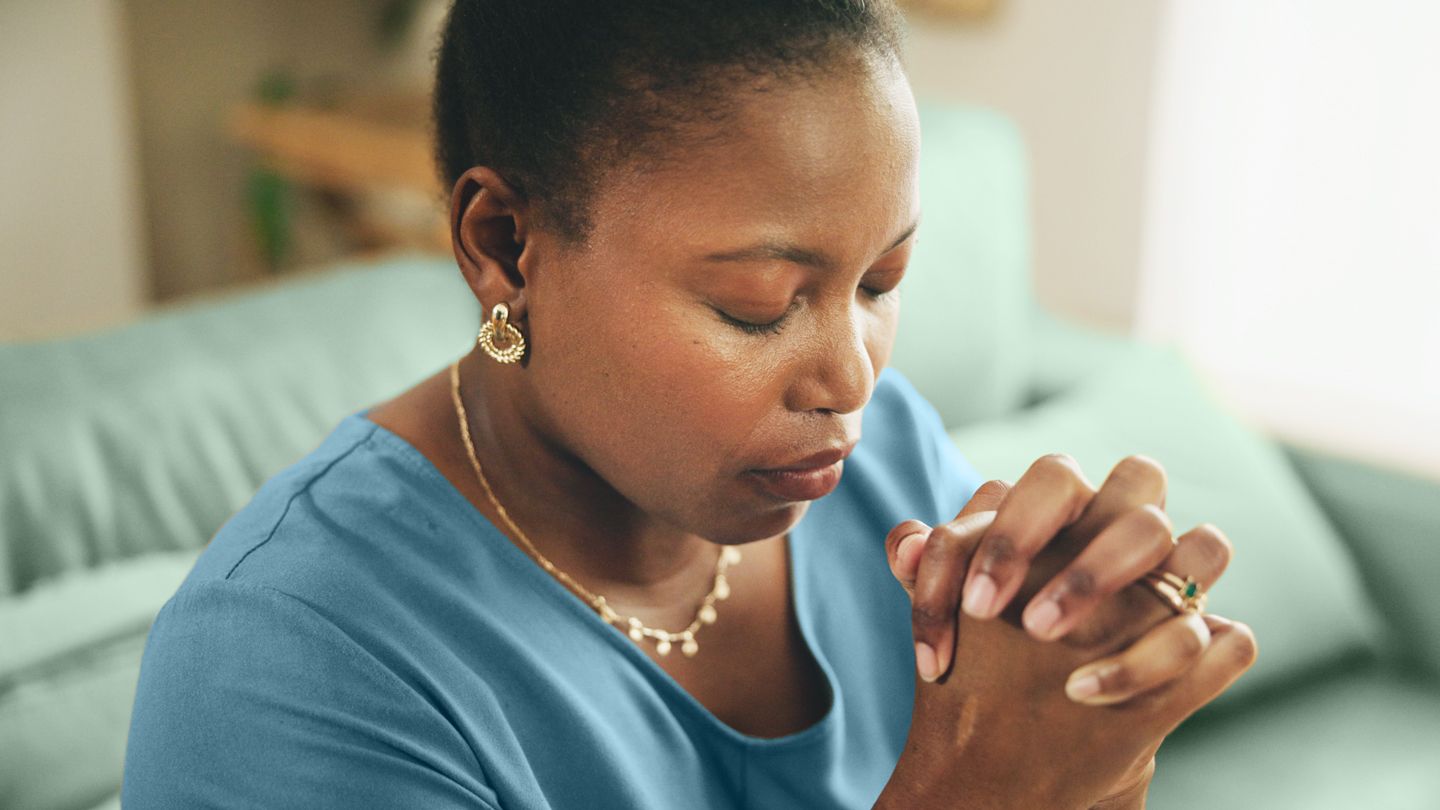
Now a new meta-analysis of 55 existing studies, following more than half a million people, has found that connecting with spiritual practices, whether religious or secular, reduced the odds of dangerous alcohol or drug use by 13 percent.
“Harmful or hazardous alcohol and drug use represents a major public health challenge,” says the lead study author, Howard K. Koh, MD, MPH, a professor at the Harvard T.H. Chan School of Public Health in Boston. But spirituality could play a key role in the prevention and treatment of alcoholism and substance use disorders, Dr. Koh says.
Spirituality Was Tied to a Significantly Lower Risk of Substance Use Disorder
Published in JAMA Psychiatry, the research reviewed data from dozens of studies on health and spirituality published between 2000 and 2022 that collectively followed more than half a million people.
Practices identified in the studies included spiritual and religious community involvement, attendance at religious services, meditation, and prayer.
Koh defines spirituality as “an intrinsic part of the human condition that has to do with ultimate meaning, purpose, and connection to something bigger than oneself.”
The researchers discovered that spiritual practices lowered the risk of dangerous drug and alcohol use by 13 percent. In people who attended religious services at least once a week, that risk dropped by 18 percent. This was consistent across alcohol, tobacco, marijuana, and illicit drug use.
“This meta-analysis represents a comprehensive synthesis of the most rigorous 21st century studies about how drug use is affected by spirituality over time,” Koh says. “The results show a consistent protective association of spiritual practices with reduced risk of drug use.”
He stresses that the reduced risk applies to both prevention and recovery — meaning spirituality lowered the odds someone would develop alcohol or substance use disorder in the first place, and supported those working to stay sober in recovery.
Spiritual Connection Is Foundational to Common Recovery Programs
“This study confirms what many people have known for decades,” says David Holmes, MD, a clinical associate professor, addiction medicine physician, and a researcher at the University at Buffalo Jacobs School of Medicine and Biomedical Sciences in New York.
He cites the 12 Steps of Alcoholics Anonymous as one example. “The 12 Steps are spiritual in nature,” he says, and they “have helped countless numbers of people all over the world to be successful in their recovery.”
How Spiritual Practices May Protect Against Harmful Alcohol and Drug Use
Spiritual practices can enhance mental health in multiple ways, Koh says. Spiritual practices can be linked to increased coping skills and enhanced resilience, he notes, while being part of a spiritual or religious community also provides people with social support to combat stress and loneliness.
“Taken together, all of these forces can contribute to a healthier norm,” Koh says.
If spirituality is important to someone, it influences what they think and do, Holmes says. “It gives them hope and helps them to persevere through difficult situations,” he notes. “This, in turn, builds greater faith and resiliency.”
People with spirituality who overcome challenges “experience a boost in personal growth and inner strength in the process,” Holmes says.
There are a few research limitations to consider with the latest analysis. Spirituality wasn’t defined in a consistent way across the studies. The researchers searched data that used the terms “religion,” “spirituality,” or “faith” related to drug use, which may not capture all of the available research. The researchers noted that they had limited insights into how participation in secular activities supported spiritual well-being in relation to alcohol or drug use.
Substance Use Disorder Is a Growing Problem in the U.S.
In Americans ages 12 and older, nearly 17 percent have a substance use disorder. The percentage of people with a drug use disorder is on the rise, increasing from 8.7 percent in 2021 to 9.8 percent in 2024.
But data suggest that alcohol use disorder rates are decreasing overall. The percentage of people ages 12 or older with an alcohol use disorder in the past year dropped from 10.6 percent in 2021 to 9.7 percent in 2024.
Reflecting on Your Relationship With Alcohol or Other Substances
Koh recommends reflecting on your motivations for alcohol or drug use and considering whether spirituality might be a better solution to certain issues than substances.
“People may feel something is missing in their lives, crave a deeper sense of meaning in their lives, or be experiencing grief or stress,” Koh says. “Spirituality can help move a person to more of a connection to others or community, and a greater sense of feeling whole, not fragmented.”
Holmes suggests talking to friends and family who have spiritual beliefs about how helpful they think their beliefs are to their well-being. “People can also make appointments to meet with spiritual leaders in the community and ask them questions about faith,” he says.
Koh also recommends considering the chances of losing control over alcohol or substance use, and the potential impacts on work, school, or relationships. “If costs outweigh benefits, it may well be time to consult a health professional,” he says.
How to Reconnect With Spiritual Practices
Spirituality is a broad term that includes religion and other ways people can find meaning, purpose, and connection to something bigger than themselves, Koh says. “For many, for example, immersion in nature is a spiritual practice,” he points out.
“Spirituality is necessary for religion, but religion is not necessary for spirituality,” he says.
While faith communities can be helpful for many, Koh notes that they can be potentially harmful for some. People with a history of religious trauma may benefit from counseling that addresses both mental health and spiritual issues, Holmes says. “Spiritual beliefs and practices may still be helpful for people who’ve experienced religious trauma,” he says. “If someone has had a negative experience at a particular place of worship, that doesn’t mean that all places of worship are hurtful, and I encourage them to consider checking others out.”
Ultimately, Koh stresses that while spirituality can be helpful in addiction medicine, this may look different for everyone. “Everyone’s values and beliefs on this topic need to be respected by health professionals as part of true person-centered care,” he says.
Read the full article here