Traditional antidepressants such as selective serotonin reuptake inhibitors and tricyclic antidepressants work by changing the brain’s level of neurotransmitters like serotonin, dopamine, and norepinephrine, which are all linked to mood regulation.
Ketamine works differently. Primarily used for anesthesia, the medication can make you feel detached from pain or anxiety, and in a state of calm and relaxation. It does this by blocking a neurotransmitter called N-methyl-D-aspartate. That regulates the function of another neurotransmitter, glutamate, which is associated with depression.
“Unlike antidepressants that target serotonin and dopamine, ketamine increases synaptic plasticity, essentially helping the brain rewire and form new connections quickly,” says Alex Dimitriu, MD, a psychiatrist and founder of Menlo Park Psychiatry and Sleep Medicine in California, and a medical reviewer for Everyday Health. “When someone feels horrible or is not responding to antidepressants, this type of rewiring can be helpful.”
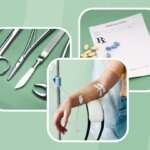
Ketamine is not approved by the U.S. Food and Drug Administration for depression, although it can be used off-label. It’s delivered through an infusion, which means you go to a clinic or hospital to receive the medication through an IV. You may have a single session or a series of sessions, depending on the severity of your symptoms.
A similar drug, esketamine (Spravato), is approved for treatment-resistant depression, meaning you’ve tried at least two antidepressants. It’s a nasal spray that you take while being supervised at a medical center or doctor’s office that’s part of a special program.
Typically used twice weekly for the first month, esketamine may be switched to weekly or biweekly after that point. You need to be monitored for at least two hours after each treatment for potential side effects. Esketamine can raise your blood pressure and can cause extreme sleepiness, fainting, trouble breathing, and a kind of mental disconnect called dissociation.
Read the full article here