To identify the most important trends, the publisher surveyed a panel of experts, which included 58 doctors, dietitians, and health researchers, says Annika Urban, health editor at U.S. News & World Report.
The report reflects changing attitudes about health and new tools that Americans are increasingly relying upon to make meaningful improvements to their well-being.
Health Goals Have Shifted Beyond Weight Loss Alone
For more than 15 years, U.S. News & World Report shaped how Americans thought about healthy eating through its “Best Diets” rankings.
The results remained consistent. Diets that rose to the top year after year — such as the Mediterranean and DASH (high blood pressure) diets — shared the same core features, with an emphasis on vegetables, fruits, lean proteins, whole grains, and healthy fats, says Urban.
But over time the report expanded to cover more types of diets, including those aimed at specific diseases and life stages.
“As a panelist for several years, I witnessed more and more diets being added, often with refined nuances,” says Elisabetta Politi, RD, CDCES, a dietitian and certified diabetes educator at Duke Health in Durham, North Carolina.
At some point, offering more and more diets seemed to be a concession that these eating plans weren’t working for most people long-term, she says.
When it comes to figuring out what to eat, most people need something tailored to fit their goals, culture, individual health history, and preferences, agrees Julia Zumpano, RD, dietitian at Cleveland Clinic in Ohio.
U.S. News’ move away from diet rankings “reflects that reality,” she says.
GLP-1 Use for Chronic Conditions Named 2026’s No. 1 Trend
The most influential health trend for 2026, according to the expert panel, is the continued expansion of GLP-1 medications beyond weight loss and type 2 diabetes.
More than half of experts identified GLP-1s as the trend most likely to have the biggest impact this year, citing the medications’ growing role in managing heart disease, kidney disease, arthritis, and potentially addiction.
While some people might be surprised that these medications would top a report once devoted to diets, not acknowledging their impact “would be ignoring the elephant in the room,” says Zumpano.
“It’s been kind of a miracle drug for some people — but not for everyone,” she says.
GLP-1s work well for some people may not be that effective for others, or may come with side effects or costs that make taking them unfeasible, says Zumpano.
“They really do provide a lot of benefit, but I don’t think they’re the cure-all either,” she says. Lifestyle habits still matter, and outcomes tend to be better when people pair medications with healthy eating, movement, quality sleep, and stress management, she adds.
Integration of AI With Wearable Technology Tied for Second Place
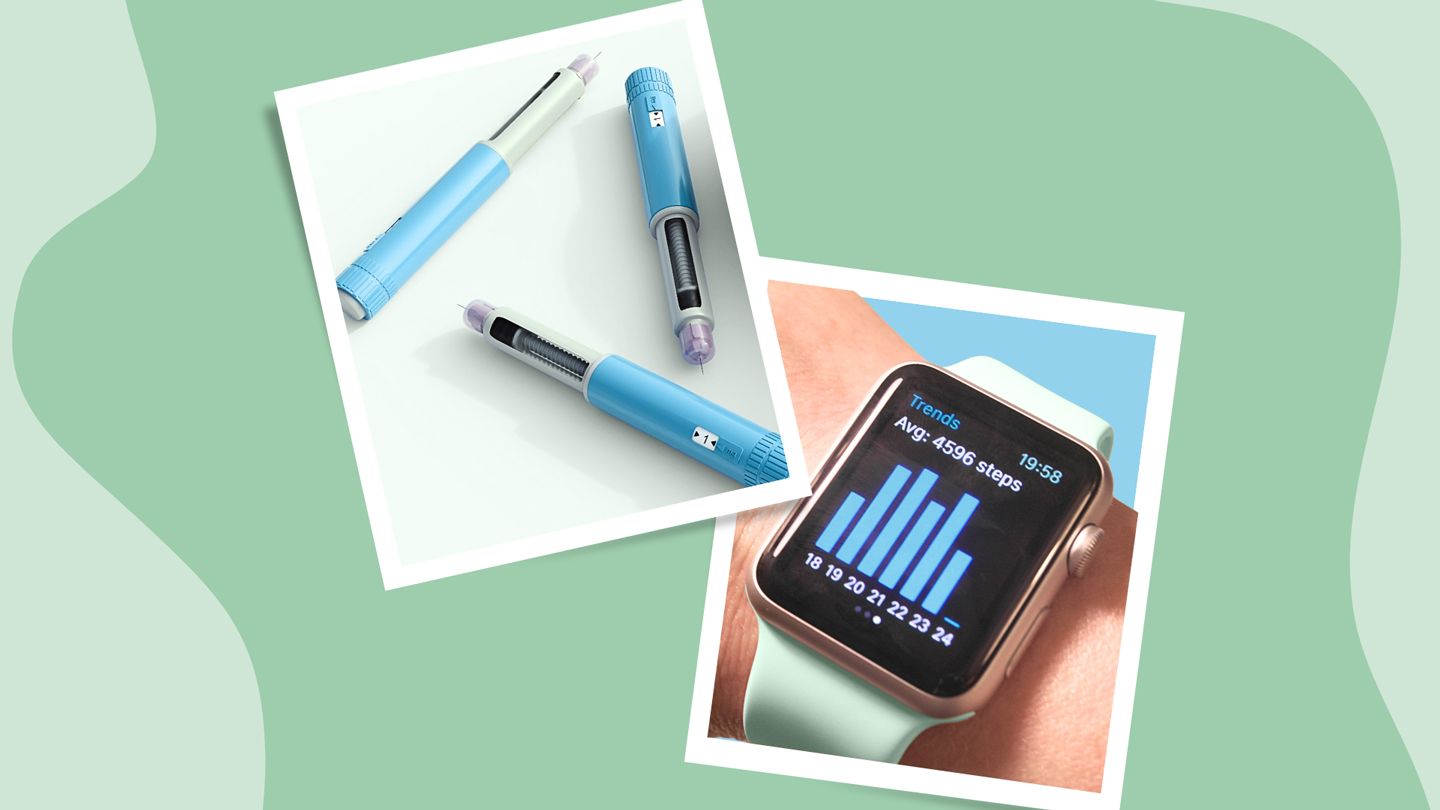
The second-most voted trend was the integration of artificial intelligence with wearable technology, including smartwatches and smart rings for tracking metrics like physical activity, food, and sleep, as well as continuous glucose monitors (CGMs).
These devices allow people to closely monitor and troubleshoot their health, which is a great opportunity for a collaboration between patients and their health care team. “They also promote more accountability, a behavior that has been associated with long-term success in research studies,” says Politi.
Zumpano agrees that these devices can be great for making and sustaining positive changes.
“I think diet tracking is excellent — I recommend that all the time. It’s an excellent way to get specific data on what you could be lacking from a nutritional perspective,” she says.
While much of the technology is relatively easy to use, information overload could make it hard to know what’s most important or even actionable. That’s one reason the report emphasizes professional guidance and grounding high-tech tools in basic habits like nutritious eating and physical activity.
Food as Medicine Gains Momentum, Ties for No. 2 Top Trend
Tied for second place is a renewed focus on food as medicine, an approach that frames eating patterns as foundational to preventing and managing chronic disease.
While the concept isn’t new, experts say its resurgence reflects fatigue with extremes and a return to fundamentals — focusing on whole, nutrient-dense foods that support long-term health rather than quick fixes.
“Food as medicine aligns perfectly with the principle of supporting energy, because it feeds mitochondria, stabilizes blood sugar, and supports long-term vitality, rather than temporarily masking hunger,” says Jacquelin Danielle Fryer, RD, a dietitian and nutritionist at Banner Sports Medicine High Performance Center in Scottsdale, Arizona.
Mitochondria are known as the powerhouses of the cell because they produce about 90 percent of the energy cells need to function and are believed to play a major role in health and disease prevention.
Politi notes that this broader category also includes growing interest in culinary medicine, which helps people translate nutrition advice into practical skills like shopping, cooking, and enjoying meals.
Some Trends Didn’t Make the Cut
Some trends that once dominated nutrition headlines landed near the bottom of the survey.
Plant-based eating, sustainable sourcing, and meat alternatives ranked surprisingly low, a shift experts attribute to changing consumer priorities as well as more emphasis on animal products that are produced ethically and sustainably.
That doesn’t mean plant-forward diets are unhealthy: Experts still overwhelmingly support Mediterranean-style and plant-rich eating patterns. Instead, the decline suggests people may be moving away from all-or-nothing approaches toward flexibility they can sustain.
What This Means for Your Health Goals in 2026
For anyone setting health goals for the coming year, this report is a useful resource, says Politi.
Zumpano agrees that the report offers valuable insight on the available resources for setting and achieving health goals, tools are most valuable when used to make small but meaningful changes.
“Ask yourself, how can I improve the way I feel day to day? What’s a little change I can make today to be healthier in 2026?” she says.
Each time you make a step in the right direction, you build momentum and slowly begin to feel better. That adds up to lasting and positive changes in your health, says Zumpano.
Read the full article here