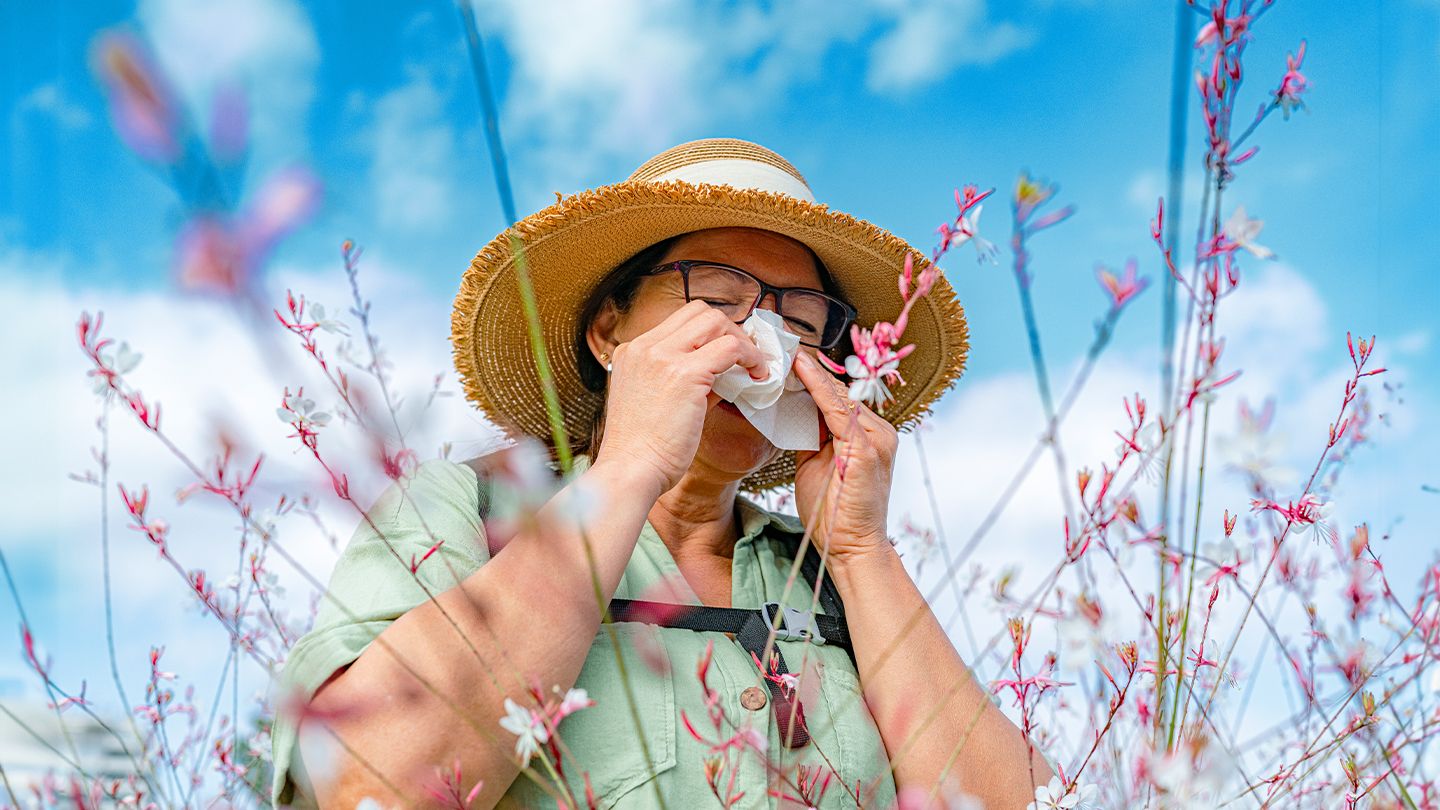
There are some notable similarities and differences between psoriasis and allergic conditions.
“Psoriasis, seasonal allergies, and eczema are all immune-mediated. They are attributed to immune system dysfunction,” says Lauren Taglia, MD, PhD, a dermatologist at Northwestern Medicine in Geneva, Illinois.
But psoriasis tends to involve different pathways in the immune system compared with allergic conditions. For example, one analysis found that in skin biopsies (tissue samples) from people with psoriasis or eczema, different kinds of immune cell clusters were found for each condition. What’s more, inflammation was seen in different kinds of cells in blood samples taken from people with each condition.
Both genetic and environmental factors may contribute to psoriasis as well as conditions like eczema and allergic rhinitis. People with one allergic condition are also more likely to develop another allergic condition, possibly due in part to genetic factors.
For allergic conditions, treatment typically focuses on preventing exposure to known allergens and possibly taking medicines to reduce your immune system’s reaction and improve symptoms. For psoriasis, there are medications that treat disease flares as well as injected or infused medications that can keep some people symptom-free for months or even years.
Read the full article here