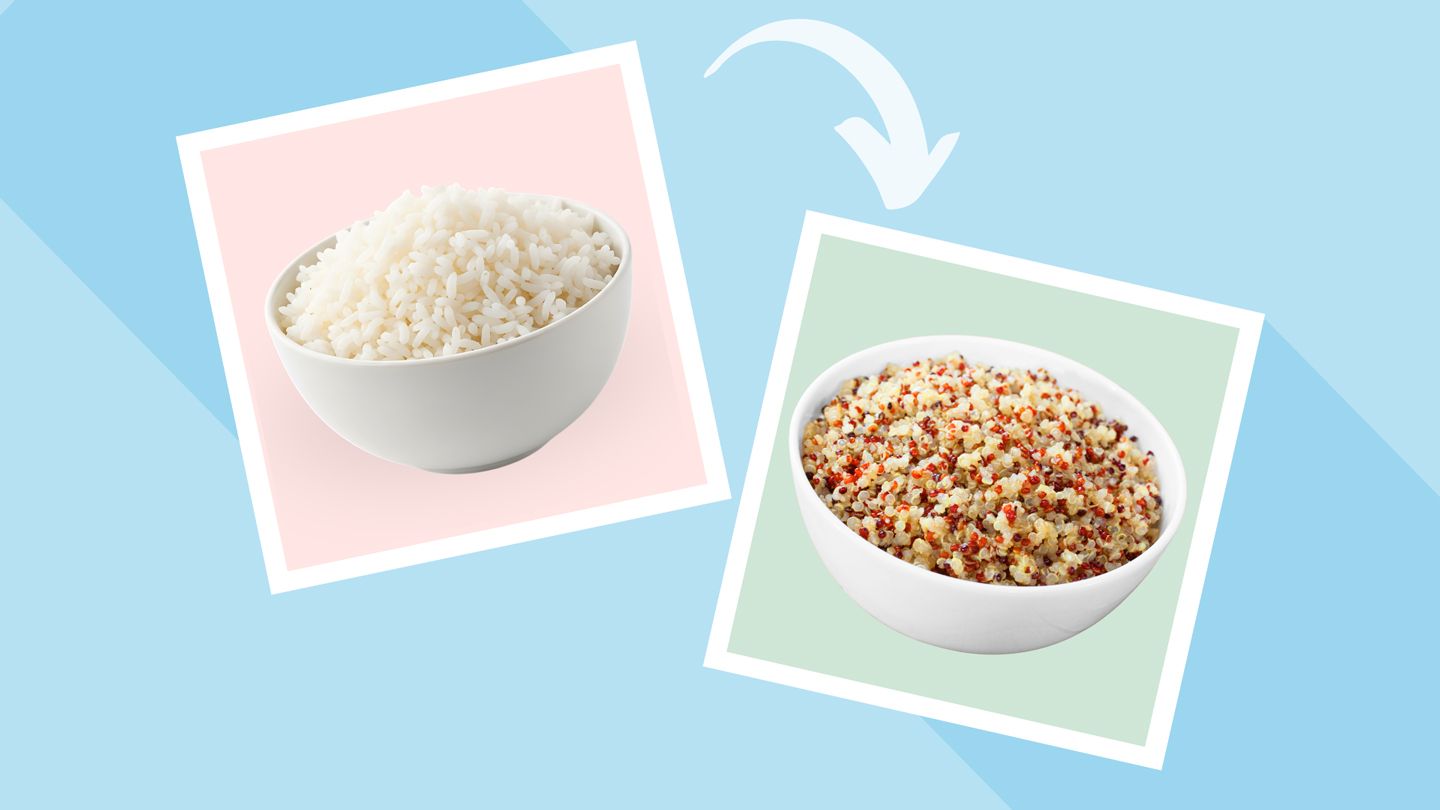
Refined carbs lack the nutritional value of whole foods. The body also digests refined carbs more quickly, and they have a higher glycemic index — meaning they are more likely to cause rapid spikes in blood sugar, says Politi.
In contrast, whole grains (which are complex carbohydrates) are rich in fiber and other complex starches that take longer to digest. That means they have a lower glycemic index, and don’t rock your blood sugar, she says.
Researchers have linked refined carbs to the following health conditions.
Obesity
The spikes in blood sugar caused by eating refined carbohydrates can increase hunger, says Andres Ardisson Korat, ScD, a researcher and assistant professor at Tufts School of Medicine in Boston.
A study that followed more than 130,000 healthy adults over a four-year period found a link between refined carb consumption and weight gain.
Weight gain, especially belly fat, can contribute to other health issues including type 2 diabetes and heart disease, Politi says.
Type 2 Diabetes
By driving weight gain, refined carbs contribute to type 2 diabetes, Politi says.
Heart Disease
Weight gain driven by high consumption of refined carbs is also a driver of heart disease, Politi says.
Depression
It could be that eating more refined carbs negatively impacts mood, or that people who are feeling depressed are more likely to eat refined carbs — or some interplay between them.
That being said, most experts agree that a diet high in processed foods and refined carbs promote inflammation and is likely not good for overall brain health.
Read the full article here