Lithium is best known as a prescription medication used to treat psychiatric disorders. But you may be surprised to learn that there are natural sources of lithium. It’s not an essential nutrient, but some researchers have theorized that small doses of this metal may protect against mental decline.
Many of the foods that are high in lithium are also rich in other health-promoting nutrients that support overall wellness, and they can certainly be healthy additions to any eating plan.
What Is Lithium?
Some researchers think that lithium may have physiological importance. It’s not officially recognized as an essential nutrient. But research suggests that a recommended dietary allowance of lithium could be as little as 1 milligram (mg) per day.
While there’s no lithium-deficiency syndrome, older research has shown that people who are deficient in lithium tend to have unstable moods and increased agitation. Another review found that lithium appears to have an anti-suicidal property independent of its ability to stabilize mood. But while some studies suggest lithium intake from natural sources may be linked with improved mood or cognitive stability, more research is needed.
Despite some evidence that supports the body’s need for lithium, the Food and Nutrition Board of the National Academy of Medicine has not listed lithium on any of the nutrient recommendation tables.
Foods High in Lithium
Lithium is found in trace amounts in various items, including:
- Potatoes
- Tomatoes
- Cereals
- Cabbage
- Mineral water
The amount of lithium may vary depending on the area of the country or world where the food is grown.
Natural sources of lithium in micrograms (mcg) include:
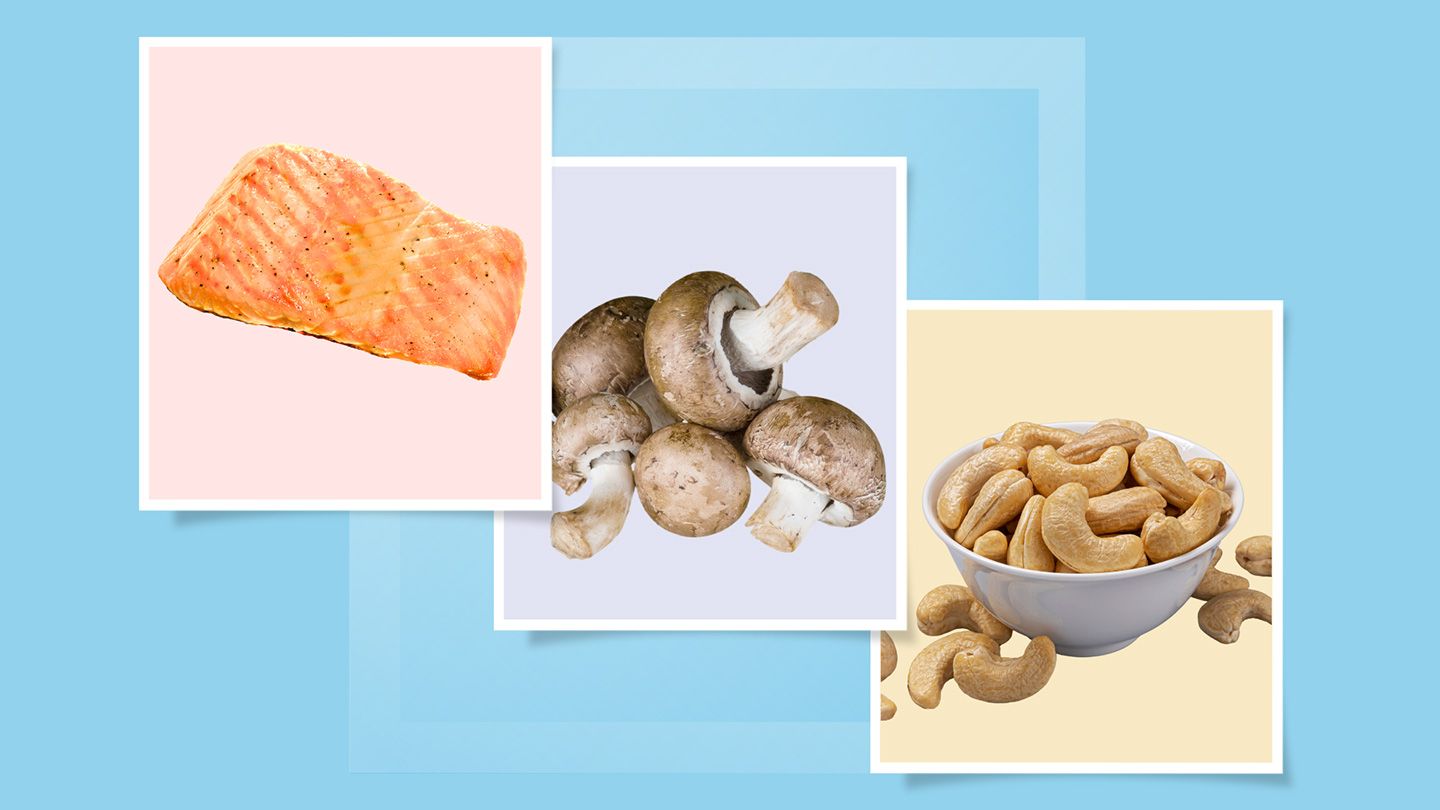
- Nuts 8.8 mcg per gram (g) of dry weight
- Cereals 4.4 mcg per g of dry weight
- Fish 3.1 mcg per g of dry weight
- Vegetables 2.3 mcg per g of dry weight
- Mushrooms 0.19 mcg per g of dry weight
- Dairy 0.5 mcg per g of dry weight
- Meats 0.012 mcg per g of dry weight
Lithium is also found in various spices, including coriander, nutmeg, and cumin. The amounts of lithium in these spices may vary depending on the region of the world the spice is grown.
Tap water is also a source of lithium, but the amount varies significantly.
Also, be aware that dietary lithium only occurs in trace amounts far below therapeutic doses. So it shouldn’t be used as, or compared with, medication.
Lithium and Psychiatric Disorders
According to MedlinePlus, lithium is prescribed to prevent bouts of mania. It works by decreasing the abnormal activity in the brain that causes the excited mood. To benefit from the medication, people with bipolar disorder need to take it every day in order to keep their lithium levels elevated and stable.
Lithium doses vary based on age and weight, but most adults need 1,200 mg a day, according to Mayo Clinic. Lithium needs for the treatment of bipolar disorder are significantly higher than the proposed needs to prevent a deficiency and protect against changes in mood and behavior.
It’s also important to talk with your doctor about any mental health conditions you think you might have. Self-treating mood conditions with lithium supplements or foods is not advised, and prescription lithium must be taken under medical supervision.
Read the full article here