


Mucus is a natural substance that bodies produce to help get rid of potentially harmful microbes. While some mucus production in the body is healthy, too much can hurt. For example, Mayo Clinic notes that people with asthma produce too much mucus in the lungs, which can be dangerous.
Even if you do not have a chronic disorder of the lungs or airways, you may wish to learn which foods to avoid during a cough with phlegm. Viral and bacterial infections can cause increased mucus production that is uncomfortable or downright painful.
The Truth About Dairy Products
When many people think of foods to avoid with chest congestion, dairy products are the first to come to mind. For example, parents often limit milk intake for sick children. While the belief that milk, cheese and ice cream increase mucus production remains popular in households across the country, the scientific data is mixed.
In fact, Mayo Clinic notes that there’s a lack of studies on milk and mucus altogether. Not only that, but the ones that exist actually suggest perceptions may be the biggest reason people believe that milk increases mucus.
Foods That Increase Histamine Production
Histamines are natural chemicals in the body that increase when your body believes it is under attack from bacteria, viruses or allergens. Increased histamine production causes many of the symptoms that people associate with the common cold, including runny noses.
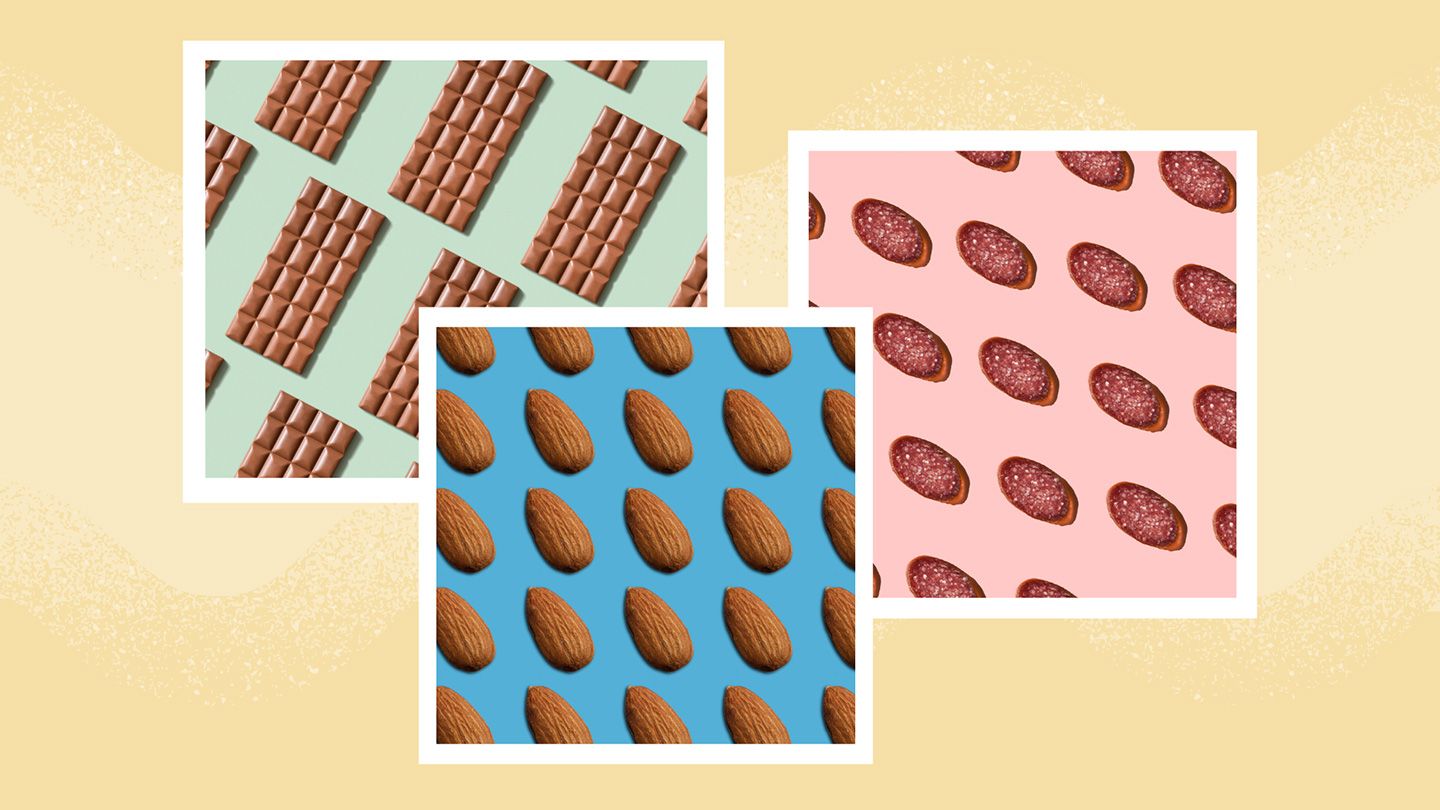
Some foods tend to increase histamine, according to Histamine Intolerance Awareness, including:
- Pickled foods like sauerkraut
- Smoked meats
- Nuts
- Highly processed foods with many additives
- Beans
- Vinegar
- Chocolate
- Some dairy products
- Some preservatives
If you have an allergic reaction or intolerance to any other kind of food, this can increase histamine in your body as well, since your body reacts to it as a threat to your health. Keeping a diary of your food intake and subsequent symptoms may allow you to notice patterns that help you identify your unique triggers.
If you believe you have a food allergy, talk with your doctor. Medical professionals can help determine which foods bother you, and prescribe life-saving medication if needed. Furthermore, an understanding of your body’s needs will help you know which food to avoid during a cough with phlegm.
Caffeine, Alcohol, and Cigarettes
While it’s important to know what foods to avoid with chest congestion, food is not the only culprit in phlegm overproduction. Among people living with untreated obstructive sleep apnea, research shows that substance use — including caffeine, alcohol, and tobacco — was associated with altered sleep architecture.
Alcohol is one of the histamine-producing substances that you should avoid if you feel like you have too much mucus production. Furthermore, alcoholic beverages can cause the membranes within your nose to swell, according to Mayo Clinic. While this swelling does not increase mucus production, it can make breathing more difficult.
While many people closely associate cigarettes with lung cancer, it is just one of many respiratory diseases that smoking can cause. According to the National Heart, Lung, and Blood Institute, exposure to cigarettes and other tobacco smoke is the leading cause of COPD in the United States. This disorder causes an overproduction of mucus in the lungs, among other symptoms. Smoke can also increase histamines as the body tries to get rid of the irritant.
Read the full article here


