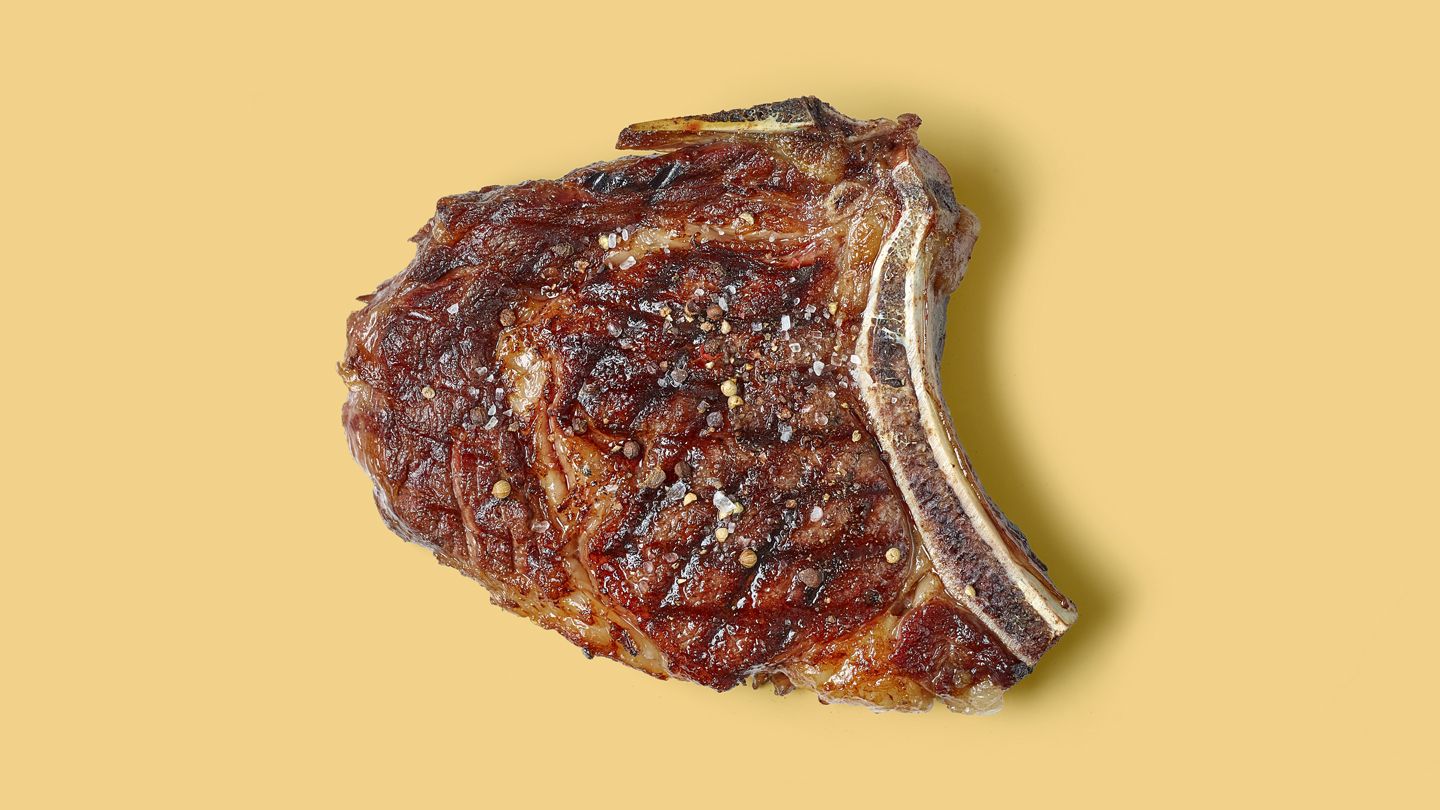
The Consequences of Eating Spoiled Meat
Not all microbes found on spoiled meat are dangerous. However, if your meat is contaminated with pathogenic (disease-causing) bacteria such as Salmonella, Staphylococcus aureus, Clostridium perfringens, Campylobacter, or E. coli, you can become very sick from food poisoning, according to Mayo Clinic.
Most food poisoning is mild and doesn’t require treatment, but it can be life-threatening in some cases. Severe illness is most common in children, older adults, those who are pregnant, and people with weakened immune systems. Many people with conditions that cause immune deficiency don’t realize they have them, however, according to Yale Medicine and research.
Symptoms of foodborne illness may start within hours or days. They include abdominal pain, nausea, vomiting, fever, diarrhea (sometimes bloody), and other gastrointestinal issues. Mayo Clinic notes that symptoms usually resolve within 48 hours with home treatment, such as fluid and electrolyte replacement. If it lasts longer than that, you may need to see a doctor.
Treatment for more severe cases depends on the cause of the food poisoning and might include intravenous fluids, as well as antibiotics or antiparasitic medication to kill microbes.
The bacteria that causes spoilage isn’t guaranteed to make you sick, Cleveland Clinic notes, but spoilage is a good indicator that disease-causing bacteria are also present. Whether you’ll get sick may also be determined by whether you fully cooked your food.
Many bacteria can be killed during the cooking process, the U.S. Centers for Disease Control and Prevention (CDC) notes. For instance, if you’ve made a boiled stew or soup and cooked your meat for a while, you may not get sick. But you need to use an internal meat thermometer to check that you’ve reached the proper temperature — 145 degrees Fahrenheit for red meat, 160 degrees Fahrenheit for ground meats and ground poultry, and 165 degrees Fahrenheit for all other poultry.
However, heat isn’t a guaranteed way to prevent food poisoning, according to the Washington State Department of Health. This is because certain bacteria also release toxins that aren’t destroyed by heat. Even when you kill these bacteria by cooking them, the toxins will remain in the food and can cause you to become sick.
Always err on the side of caution when it comes to food safety.
Read the full article here