May Help Relieve IBS Symptoms
Psyllium may help alleviate some irritable bowel syndrome (IBS) symptoms like constipation, bowel irregularity, and inflammation, but more long-term studies are needed to conclusively support these benefits, researchers have found.
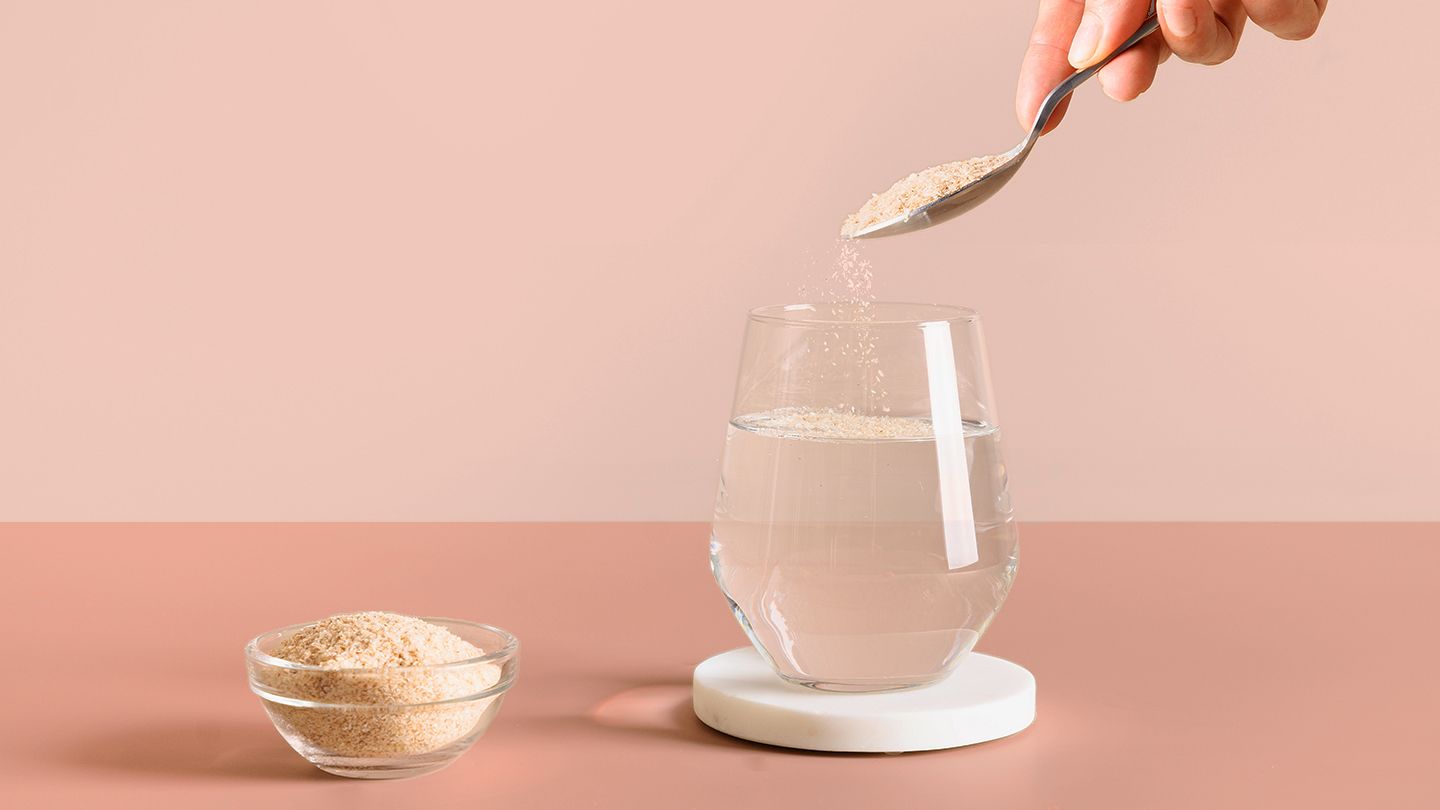
Still, experts believe it may have potential: “Psyllium absorbs water and forms a gel-like substance that softens stools and promotes regularity,” says Dawn Jackson Blatner, RDN, a Chicago-based nutrition specialist and author of The Superfood Swap. “[It] acts like a gentle sponge for your digestive system and can be especially helpful for people dealing with IBS,” she adds.
May Benefit the Gut Microbiome
A review article out of Brazil found that psyllium fiber may support a healthy gut microbiome in tandem with probiotics.
“Psyllium feeds good gut bacteria, which supports a healthier gut microbiome overall,” says Blatner.
A healthy gut microbiome, or the trillions of microorganisms in your gut, may influence many aspects of your health, including your immunity, digestion, nervous system, and hormones.
May Improve Cholesterol Levels
According to a review article out of China, psyllium’s soluble fiber creates a viscous gel that binds to bile acids (which are created from cholesterol) and helps the body excrete more of them. As a result, the body uses more cholesterol to create more bile acids, which may be beneficial for cholesterol levels.
“This can lead to lower LDL cholesterol or ‘bad’ cholesterol levels,” says Blatner, adding that soluble fiber from psyllium seed husk has an FDA-authorized health claim for reducing the risk of coronary heart disease due to its ability to lower cholesterol levels.
May Help Lower Fasting Blood Sugar
Psyllium may help lower fasting blood sugar, overall blood sugar management, and insulin resistance. “Psyllium slows the digestion and absorption of carbohydrates, which can help to prevent spikes in blood sugar levels,” says Kenneth Brown, MD, a gastroenterologist in Plano, Texas, and host of the Gut Check Project podcast.
A review of 19 studies including 962 participants conducted in eight different countries found that psyllium significantly lowered fasting blood sugar, HbA1C (a measure of long-term blood sugar levels), and insulin resistance compared to a placebo.
The results varied depending on factors like dose, duration, and study design. More research is needed to determine how psyllium may improve diabetes control overall.