Have you recently donated blood or experienced heavy menstrual bleeding or sustained blood loss from injury or surgery? If so, you’ll have to rebuild your blood supply with iron-rich foods or supplements. Excessive bleeding causes anemia when the loss of red blood cells outpaces the production of new ones.
Foods to Rebuild Blood Supply
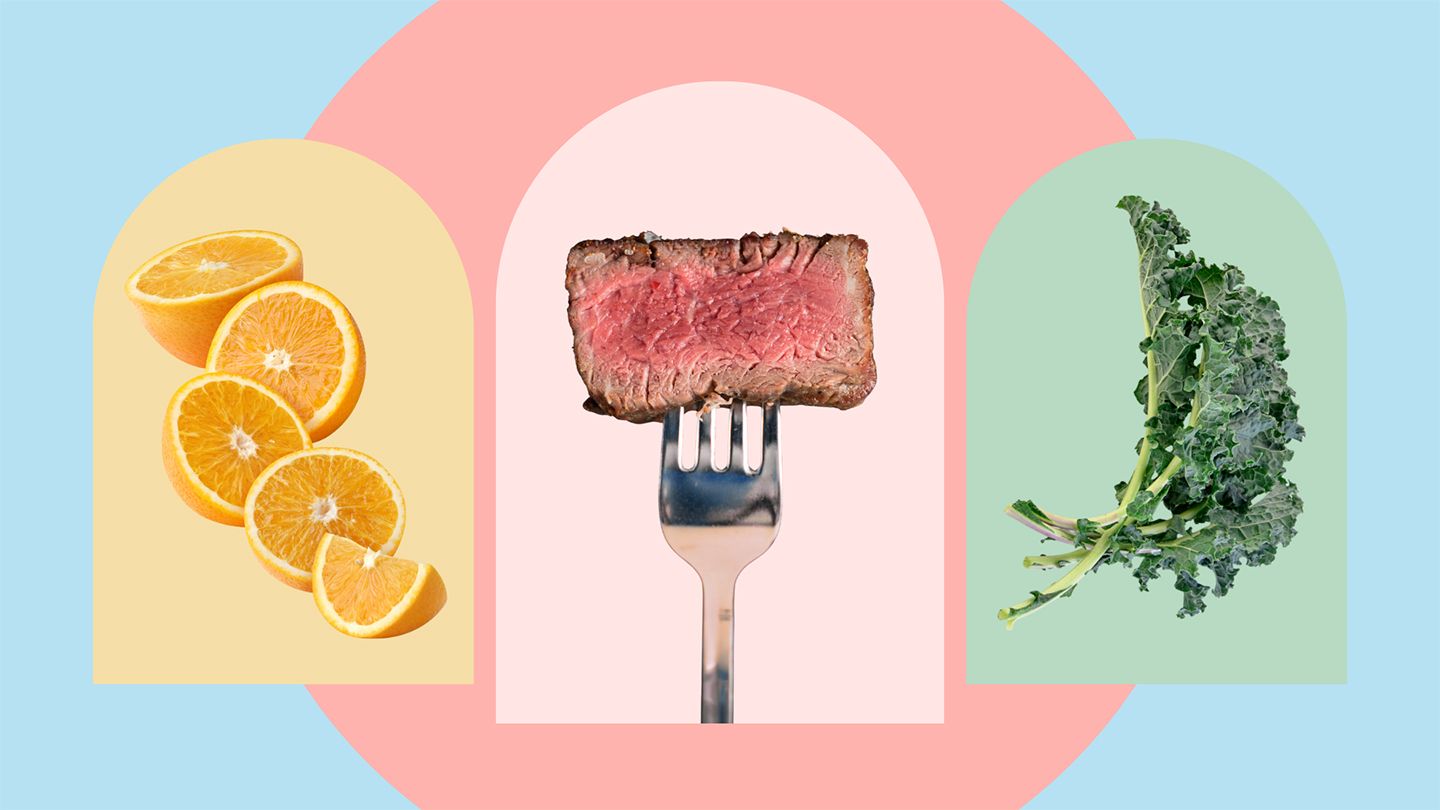
- Eat foods rich in iron and B vitamins like red meat (especially beef and liver), poultry, fish, beans, tofu, dark-green leafy vegetables, and iron-fortified cereals and breads.
- Eat fruits and vegetables that are high in vitamin C, like oranges and lemons, to help with iron absorption.
- Consult a doctor about iron supplements.
- Get checked every year or two if you have heavy menstrual periods or a previous diagnosis of anemia.
Drinks to Rebuild Blood Supply
To rebuild blood for blood loss recovery, the American Red Cross suggests drinking an extra four glasses (8 ounces each) of nonalcoholic liquids.
This 8 ounces is in addition to the daily recommendation of between 91 and 125 fluid ounces (2.7 to 3.7 liters) of water per day for adults, although individual needs depend on weight, age and activity level, and any existing medical conditions.
Supplement With Iron
Ferrous gluconate is recommended more often than ferrous sulfate because it has fewer side effects. Iron supplements may cause constipation. Drinks rich in vitamin C, like orange juice, can be consumed along with the supplement to limit this side effect, because the vitamin increases iron absorption in the intestines.
It’s important to talk with your doctor before taking any iron supplements, especially after experiencing blood loss.
The Takeaway
- It’s important to rebuild your blood supply and restore healthy iron levels if you lose blood because of surgery, an injury, or a heavy menstrual flow.
- Low iron levels can lead to anemia, which can cause dizziness, fatigue, and other potentially more serious symptoms.
- Foods rich in iron, such as red meat and leafy green vegetables, can help restore healthy iron levels. Iron supplements may also be necessary.
Read the full article here