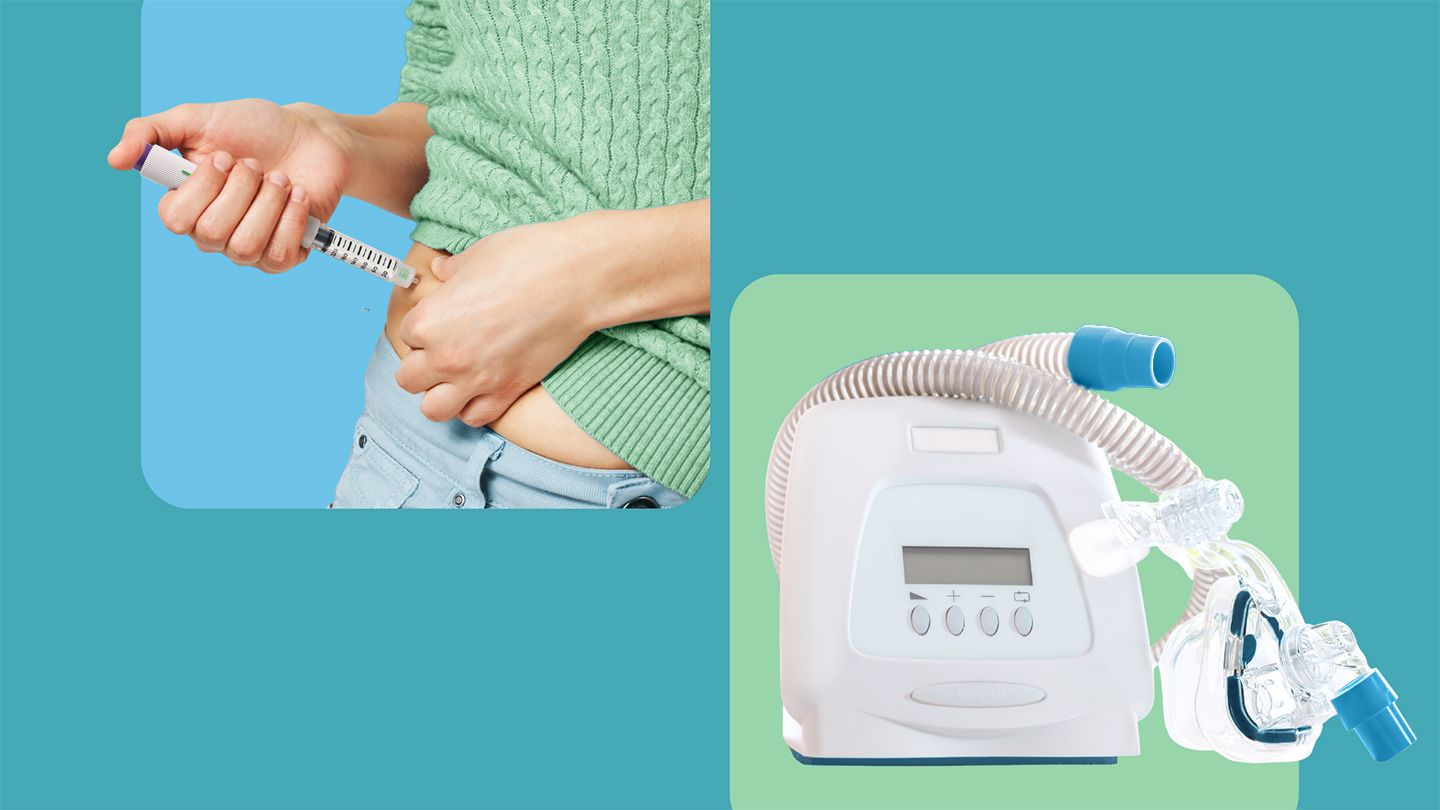
A research review comparing OSA treatments asserts that CPAP therapy is the most effective option for improving daytime sleepiness and reducing the apnea-hypopnea index (AHI). A measurement of the average number of times you stop breathing during sleep, AHI is the primary metric used to diagnose the severity of sleep apnea. CPAP reduces AHI by nearly 31 breathing disruptions per hour.
Fewer breathing interruptions leads to better sleep quality, helping people with OSA wake up feeling more rested, have less daytime sleepiness, and experience mood improvements.
Though CPAP does not directly treat other aspects of your health, substantially improving your sleep quality can have many downstream benefits. Consistent CPAP use may offer long-term improvements such as:
- Improved blood pressure
- Reduced risk of heart disease, heart attack, and stroke
- Protected cognitive function (including memory and thinking)
CPAP: The Downsides
While effective, CPAP therapy has its drawbacks.
“There is some stigma associated with CPAP machines,” says Dr. Malhotra. “Some people don’t want others to know they’re wearing it to bed at night. It’s not perceived as good for intimacy, and there could be irritation on the nose and face from the mask.”
In addition to sometimes being uncomfortable to wear, CPAP machines can be cumbersome when traveling, both of which make consistent use difficult.
Despite these drawbacks, CPAP therapy is often well tolerated and can have transformative benefits for people with OSA, says Malhotra.
Read the full article here