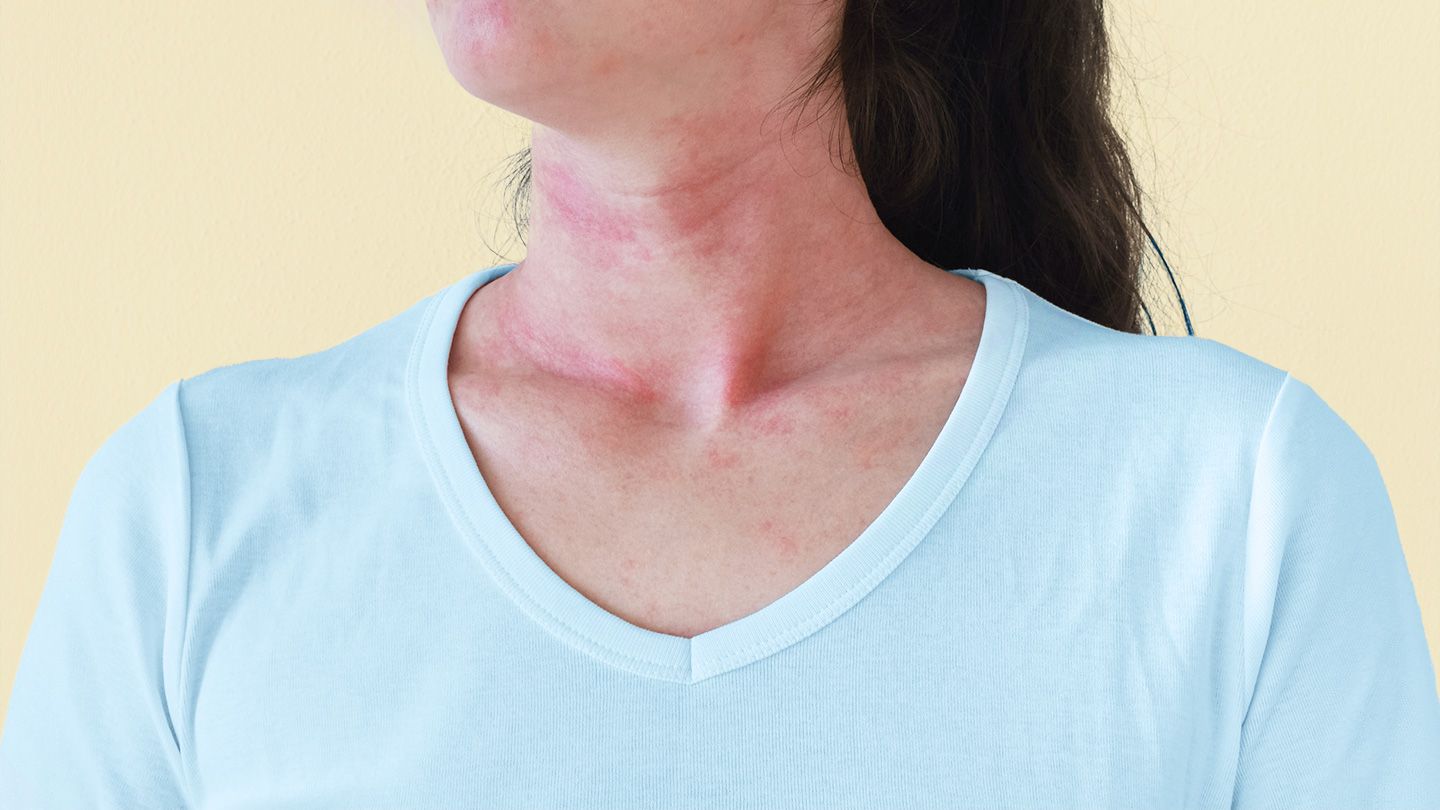
Why You May Develop a Rash From a Detox Diet
Certain eating plans may upset the body’s natural balance, which can lead the skin to react — sometimes in the form of a rash. A detox diet may cause a rash because of the following:
Supplement Overload
Rebecca Blake, RD, CEO of Rebecca Blake Nutrition in New York City, notes that some detox plans encourage high supplement usage. When taken outside the supervision of a physician or registered dietitian, she says supplements could actually lead to toxicity related to vitamin and mineral levels, some of which could present as dermatological symptoms.
“For instance, high doses of B vitamins are all associated with symptoms such as rashes, hives, redness, flushing, welts, and itchiness,” she says.
Some detox methods call for elevated amounts of vitamin B3 (also known as niacin). Taking too much, however, can lead to warm, itchy or tingly, red skin, sometimes called “the niacin flush.”
Nutritional Deficiencies
Keto Rash
Allergies or Sensitivity to New Foods
Depending on the detox diet in question, you may try foods that you haven’t eaten before and discover an allergic reaction. Certain high-histamine, histamine-releasing, or allergen-heavy foods, for instance, can trigger hives, itching, and eczema.
Gut Bacteria Changes or Inflammation Triggering Flaring Skin Conditions
Read the full article here